Mimpang Dive Site
Bali, Indonesia · Near Candidasa
Overview
Mimpang (also called Batu Tiga — Three Rocks) consists of three rocky pinnacles jutting from the water between Candidasa and Nusa Penida. Like its neighbour Tepekong, this is a current-swept site that attracts large marine life and demands experienced divers.
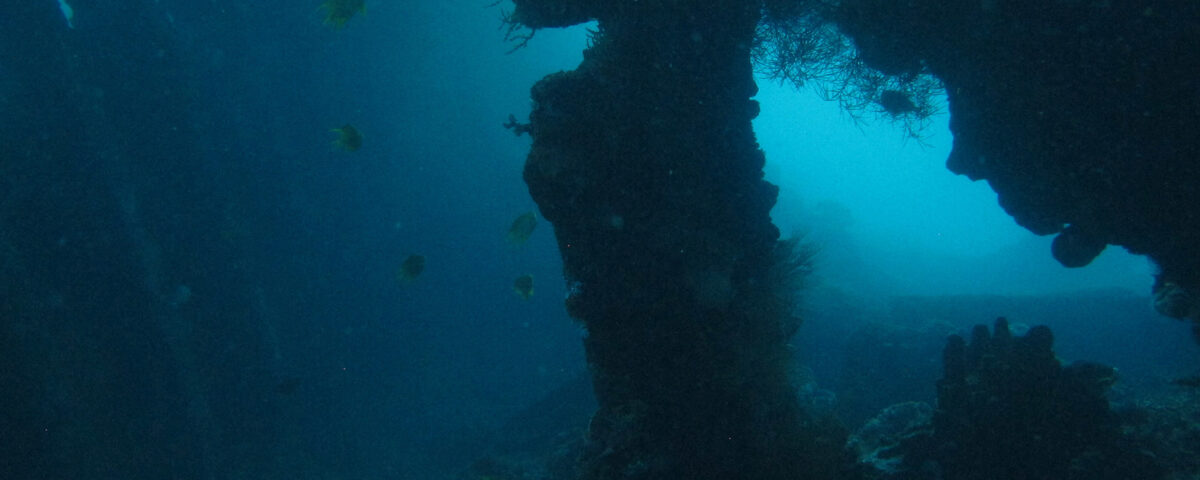
The three rocks create channels between them where currents accelerate and marine life concentrates. The topography is dramatic — sheer walls dropping to sandy slopes with boulder fields and coral-covered ledges. The site sits on the edge of the deep Lombok Strait, which brings cold, nutrient-rich water and the large animals that feed chain supports.
Mimpang is often dived in combination with Tepekong as part of a two-dive trip from Candidasa. The two sites share similar conditions but Mimpang tends to be slightly more accessible, with the channel between the rocks providing some current protection.
Marine Life at Mimpang
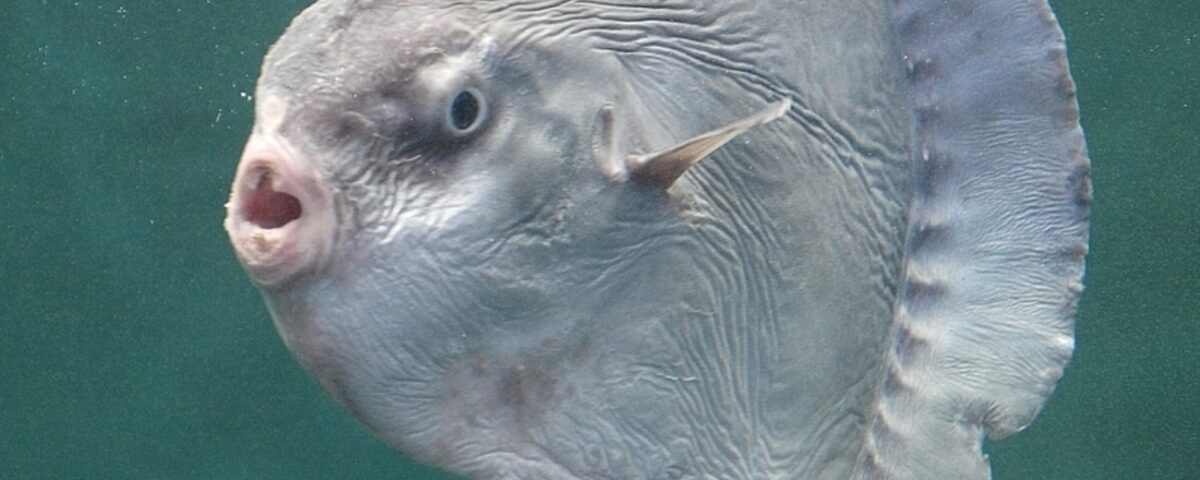
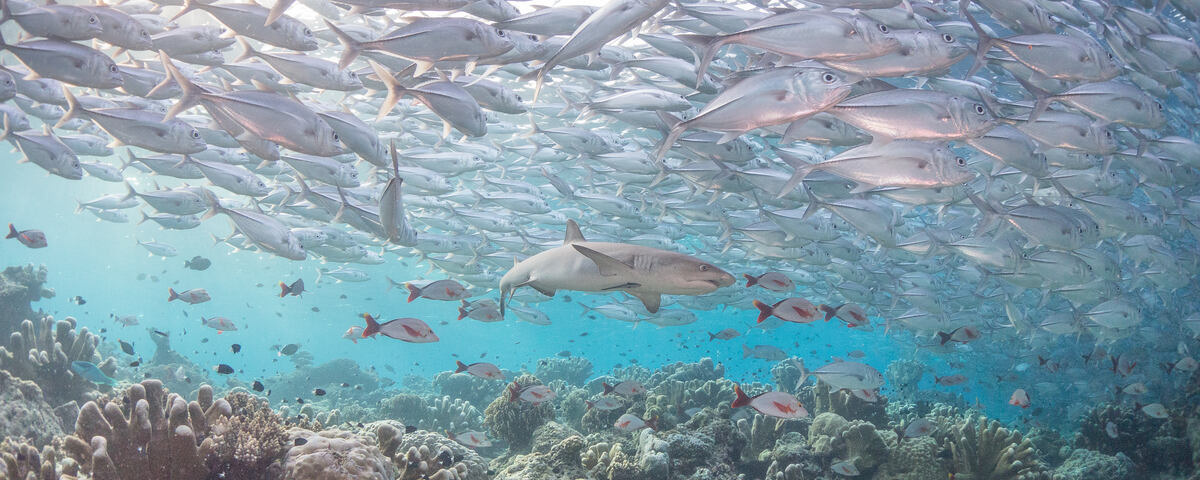
Reef sharks are the consistent draw — white-tips resting on ledges and grey reef sharks patrolling the channels between the rocks. The Lombok Strait connection means genuine pelagic encounters are possible: hammerhead sharks, whale sharks (rare), Mola mola during cool-water season, and large schools of trevally.
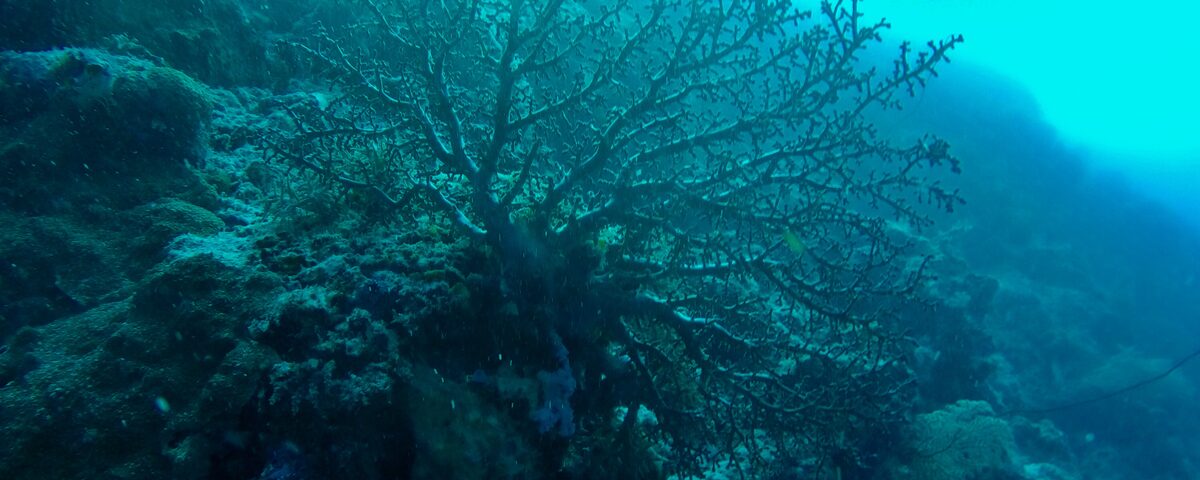
The walls support healthy gorgonians and soft corals where current delivers nutrients. Schools of surgeonfish, unicornfish, and fusiliers crowd the channels. Napoleon wrasse are resident. Eagle rays cruise past the outer walls.
The shallow reef tops (5-10 metres) between dives serve as excellent safety stop territory with dense hard coral and colourful reef fish.
Dive Conditions
Current-driven site with similar challenges to Tepekong. The channels between the three rocks can amplify current significantly. Downwellings and surge are possible. Thermocline effects are as dramatic as at Tepekong — cold water can appear suddenly.
The standard dive plan uses the channels for current protection, with the guide positioning the group based on current direction. In strong conditions, the dive becomes a reef-hook-and-watch experience on the sheltered side of the rocks.
Entry by boat. Current assessment is critical before diving. Visibility and temperature vary with conditions as at all east Bali current-exposed sites.
⚓ Divemaster Notes
Mimpang is slightly friendlier than Tepekong in my experience, but only marginally. The channels between the rocks provide useful current breaks that Tepekong's canyon doesn't always offer.
The best shark sightings are on the south face of the easternmost rock, where the current creates an upwelling that sharks seem to enjoy. Position yourself on the ledge at 18-20 metres with a reef hook and wait. Patience and stillness beat swimming around looking.
If conditions are marginal, Mimpang is the better choice over Tepekong — the channels give your guide more options for shelter. But marginal is still marginal. The same safety considerations apply.
Check your air more often than usual. The current, cold, and excitement combination burns gas faster than any other diving in Bali.
How to Get to Mimpang
Same as Tepekong — 10-minute boat ride from Candidasa harbour. The three rocks are visible from shore. Usually combined with Tepekong or Biaha in a two-dive trip.
Gear Recommendations
Same as Tepekong — 5mm suit, hood, reef hook, SMB, reliable computer. Don't dive cold here. The thermocline shock combined with current stress is a real hazard.
Recommended Dive Operators
Same Candidasa-based operators as Tepekong. Dive Bali and Ocean Sun Dive know these rocks intimately. The sites require local current knowledge that visiting operators may not have.
Liveaboard Options
Not a standard liveaboard site.