Nusa Lembongan Mangrove Point Dive Site
Bali, Indonesia · Near Nusa Lembongan
Overview
Mangrove Point is a drift dive site in the channel between Nusa Lembongan and Nusa Ceningan, two small islands southeast of mainland Bali. Nutrient-rich water flowing through the channel creates exceptional soft coral growth and attracts large numbers of reef fish.
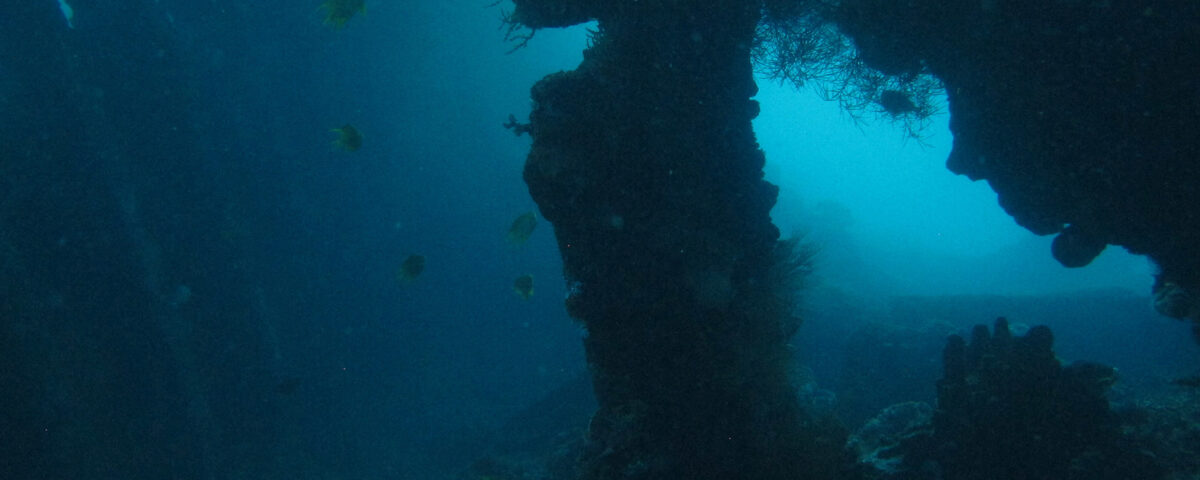
The site is named for the mangrove-lined coast above the dive site. Below the surface, a coral-covered slope hosts one of the densest concentrations of soft coral in the Bali area. The current that drives the drift also delivers food to an impressive aggregation of filter feeders and the predators they attract.
Mangrove Point is typically dived as part of a multi-site trip from Nusa Lembongan or as an add-on to Nusa Penida day trips from mainland Bali. The drift format means it's current-dependent — when the current runs well, it's an excellent dive. On slack tide, it's less interesting.
Marine Life at Nusa Lembongan Mangrove Point
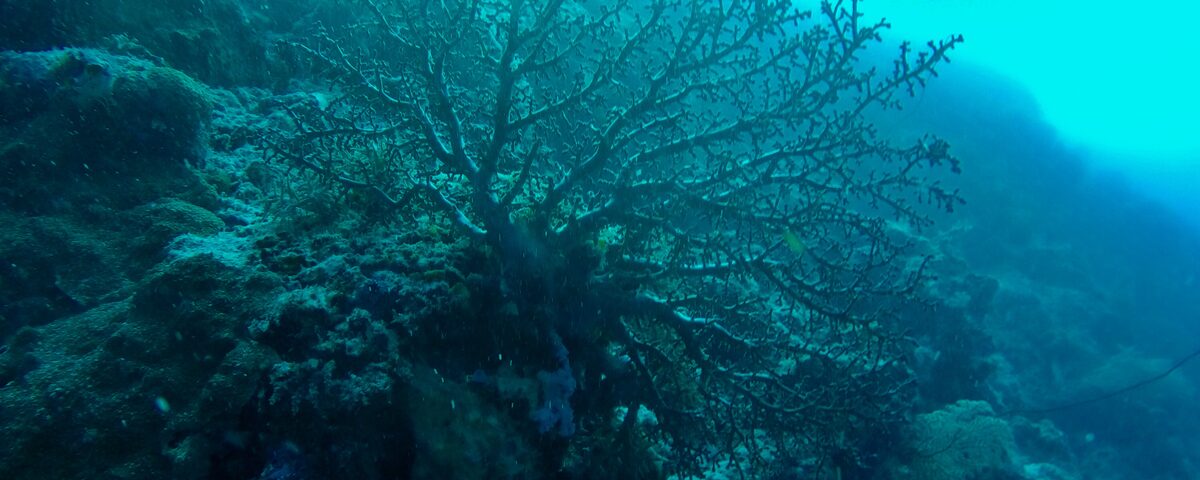
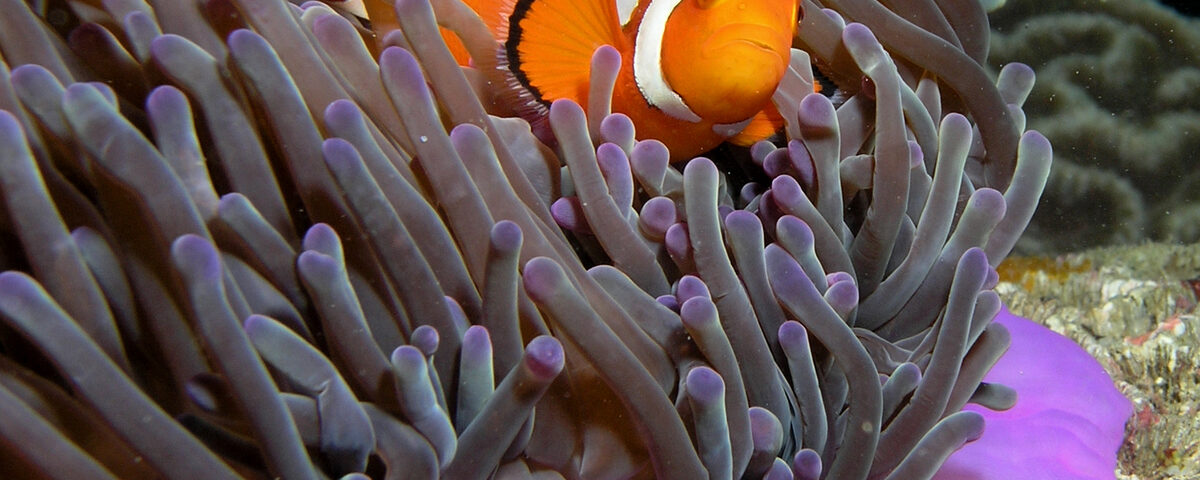
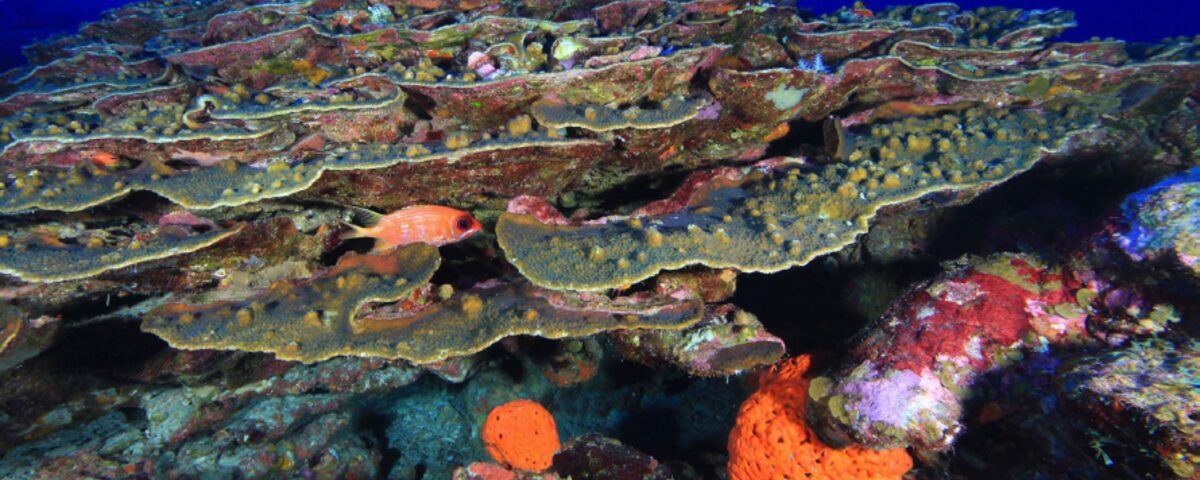
Dense soft coral gardens in vivid colours — purples, oranges, and reds — cover the slope. Large barrel sponges and gorgonian fans compete for space. The current brings nutrients that feed the coral, which in turn supports clouds of anthias, damselfish, and schools of fusiliers.
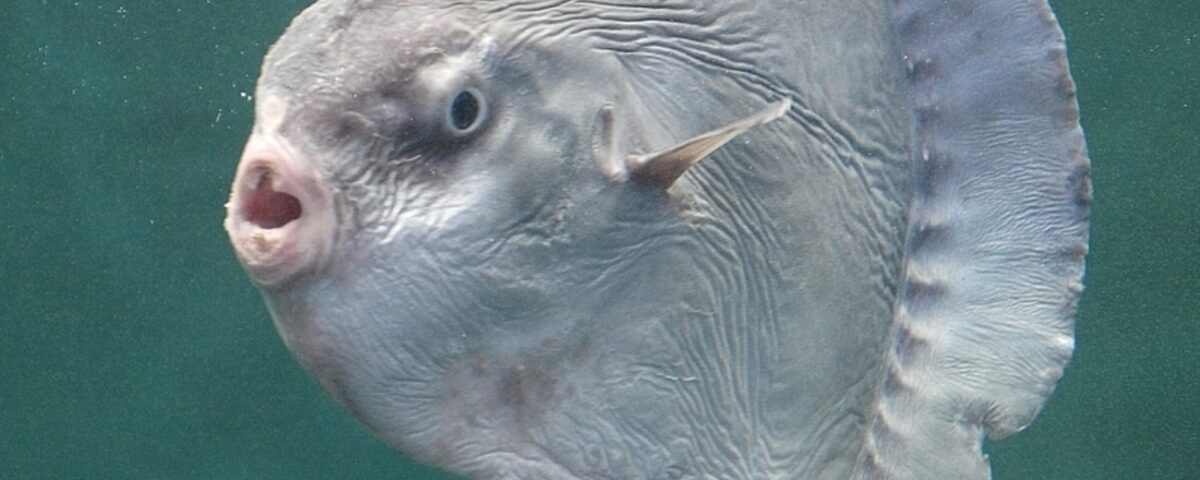
The channel is a natural highway for larger animals. Manta rays pass through, especially during plankton blooms. Reef sharks patrol the channel edges. Eagle rays are occasional visitors. Banded sea kraits hunt along the reef.
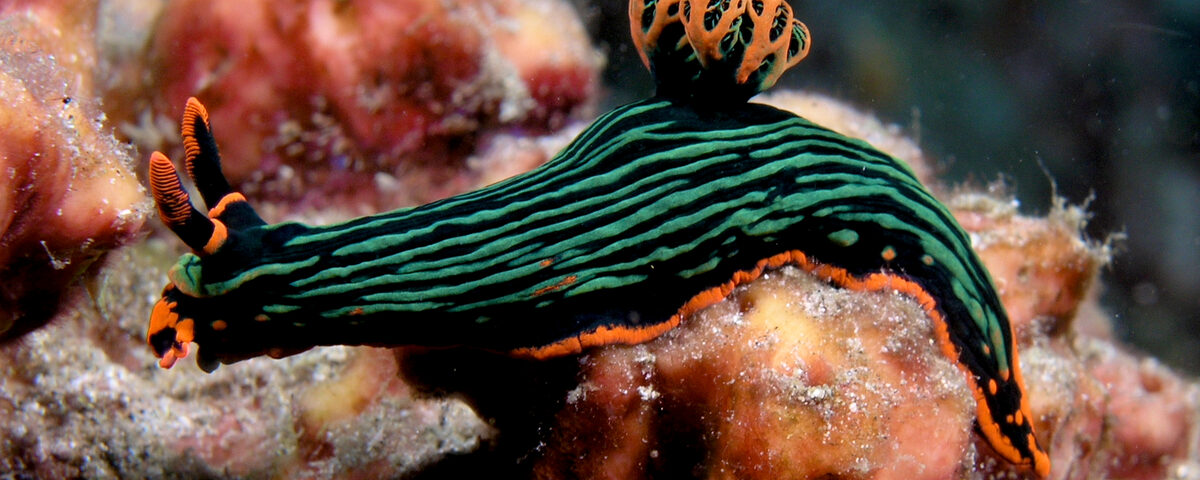
Macro life is present but secondary to the soft coral spectacle. Nudibranchs and flatworms on the coral, and the occasional ghost pipefish in the gorgonians.
Dive Conditions
Drift dive with moderate current, sometimes strong. The channel between the two islands acts as a funnel, accelerating tidal flow. Entry is by boat, timed to the current direction. The drift carries you along the slope while the boat follows overhead.
Visibility depends on the current — strong flow brings cleaner water but also more plankton. 10-20 metres is typical. Cold upwellings can occur as water from deeper channels mixes in. Surface chop in the channel can make entries and pickups bumpy.
This is not a dive for beginners despite the moderate depth. The current requires drift diving experience, good buoyancy, and comfort with potentially fast-moving water.
⚓ Divemaster Notes
Timing is everything. This dive needs current to be worthwhile — on slack tide, it's a mediocre reef dive. Your operator should time the dive to mid-tide for the best balance of current strength and visibility.
Stay in the 8-15 metre range for the best soft coral coverage. Going deeper adds current strength without proportional visual reward. The soft coral colours are best in the shallower sections where natural light brings out the vibrant tones.
The channel can accelerate quickly as the tide turns. If you feel the current picking up significantly, move closer to the reef where the wall creates eddies and slower flow. Don't fight it in open water.
If you're staying on Lembongan, ask about the Blue Corner site nearby — a deeper drift that can produce bigger pelagic encounters.
How to Get to Nusa Lembongan Mangrove Point
Nusa Lembongan is reached by fast boat from Sanur (30 minutes). The dive site is between Lembongan and the smaller island of Nusa Ceningan, about 10 minutes by dive boat from the main Lembongan harbour.
Alternatively, this site is included on some Nusa Penida day-trip itineraries from mainland Bali. If you're staying on Lembongan, it's the most accessible of the drift sites.
Gear Recommendations
SMB mandatory. Reef hook useful for stopping on the slope without damaging coral. Standard exposure suit with consideration for cold upwellings. Wide-angle camera for the soft coral gardens and any manta encounters.
Recommended Dive Operators
World Diving Lembongan, Lembongan Dive Center, and Big Fish Diving are established Lembongan-based operators. From mainland Bali, some operators include Lembongan Channel sites in their Nusa Penida day trips.
Liveaboard Options
Not a standard liveaboard site, though some Bali day-sailing liveaboards include the Lembongan channel.