Nusa Penida SD Point Dive Site
Bali, Indonesia · Near Nusa Penida
Overview
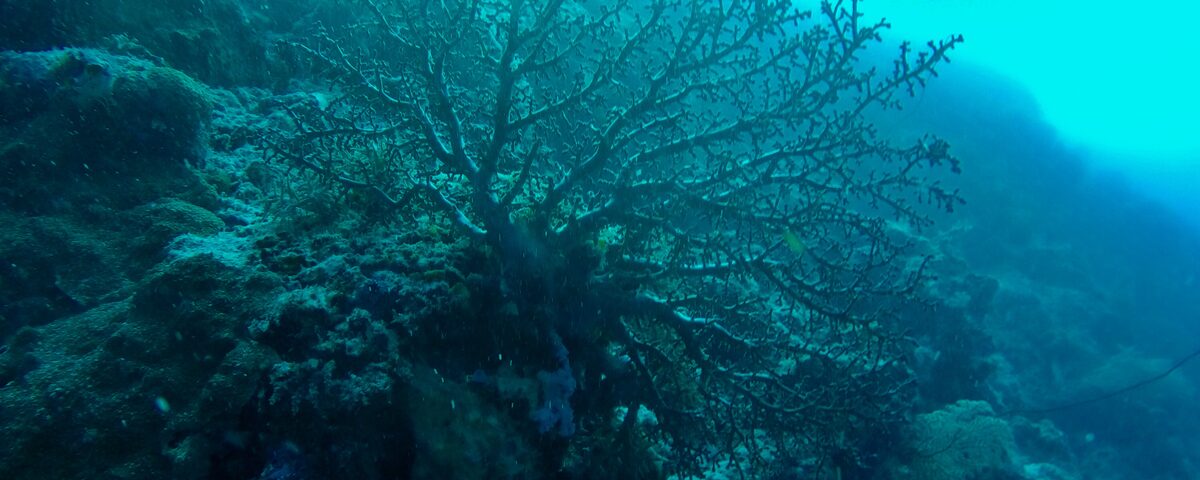
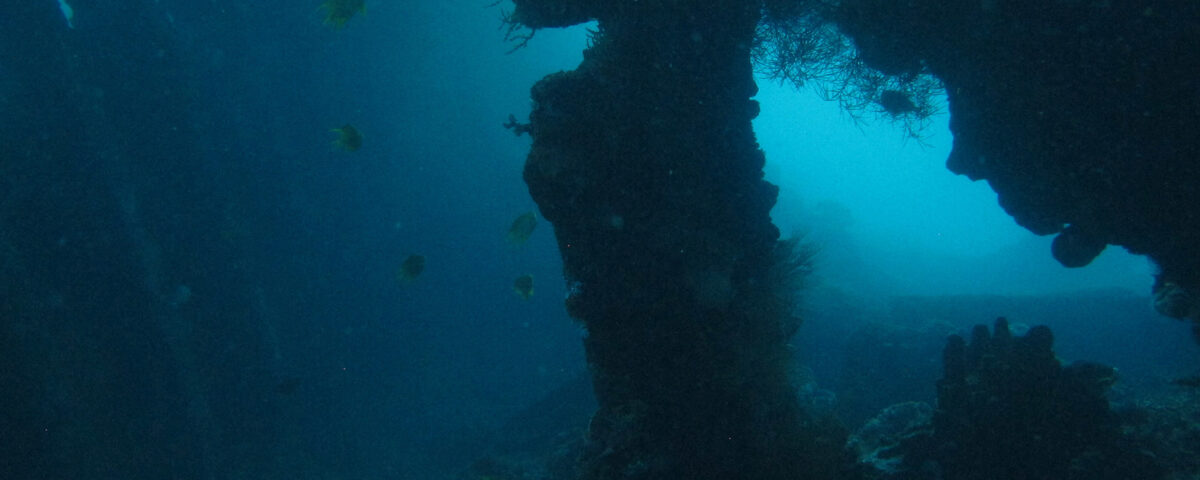
SD Point (named after the primary school — Sekolah Dasar — on the cliff above) is a drift dive along the north coast of Nusa Penida. A coral-covered slope drops from the shallows to around 30 metres, with the current carrying divers along a stretch of reef that hosts cleaning stations for manta rays and excellent general reef diving.
This site often appears on Nusa Penida itineraries as a complement to Crystal Bay and Manta Point. It's less famous than either but can deliver equally good encounters, particularly for reef mantas that use the cleaning stations along the slope. Manta sightings here are common year-round, not just during the cold-water season.
The drift format means the dive is relatively relaxed once you're in the water — the current does the work while you watch the reef pass by. It also means timing and current reading are important.
Marine Life at Nusa Penida SD Point
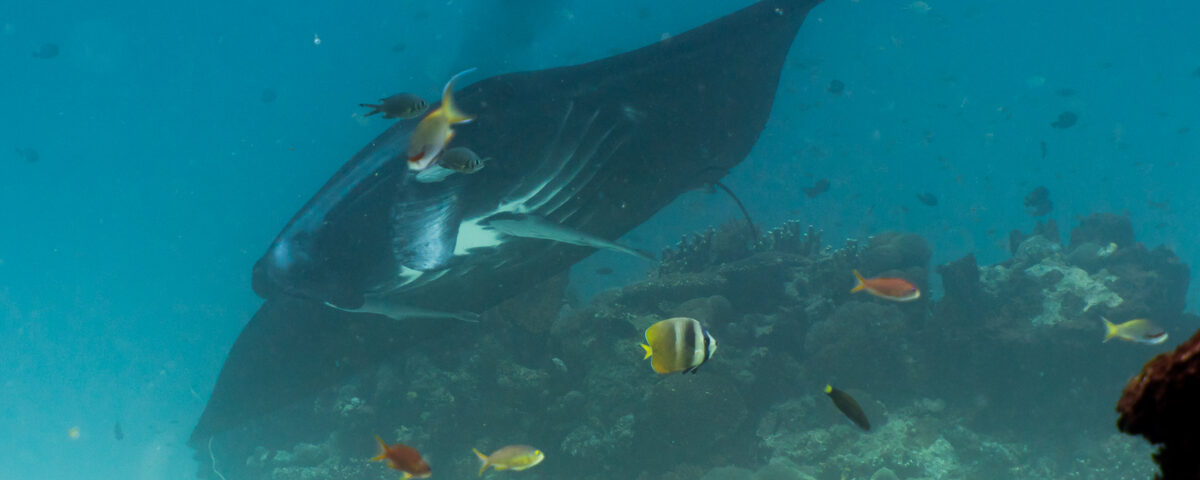
Reef manta rays visit cleaning stations along the slope and are the main draw. Unlike Manta Point's oceanic mantas, the mantas here tend to be the smaller reef species (Mobula alfredi), though they can still reach impressive sizes.
The reef itself is healthy with good hard coral coverage, schools of surgeonfish and fusiliers, occasional reef sharks, and plenty of macro life in the coral heads. Banded sea kraits are common. The sandy patches between coral areas hold blue-spotted stingrays and occasional cuttlefish.
Hawksbill turtles are regularly seen, often at cleaning stations of their own. On a good drift, you can cover a significant stretch of reef and see excellent variety.
Dive Conditions
Drift dive with moderate current. Entry is by boat, and the speed and direction of the drift are assessed before jumping in. On calm days, the drift is gentle and suitable for intermediate divers. On stronger days, the current can pick up significantly and the dive requires good buoyancy and drift diving experience.
The thermocline effect is less dramatic here than at Crystal Bay, but cold upwellings do occur. Visibility is usually better than Crystal Bay, typically 20-30 metres.
The key hazard is the current itself. Stay with your group, carry an SMB, and establish lost-buddy procedures before diving.
⚓ Divemaster Notes
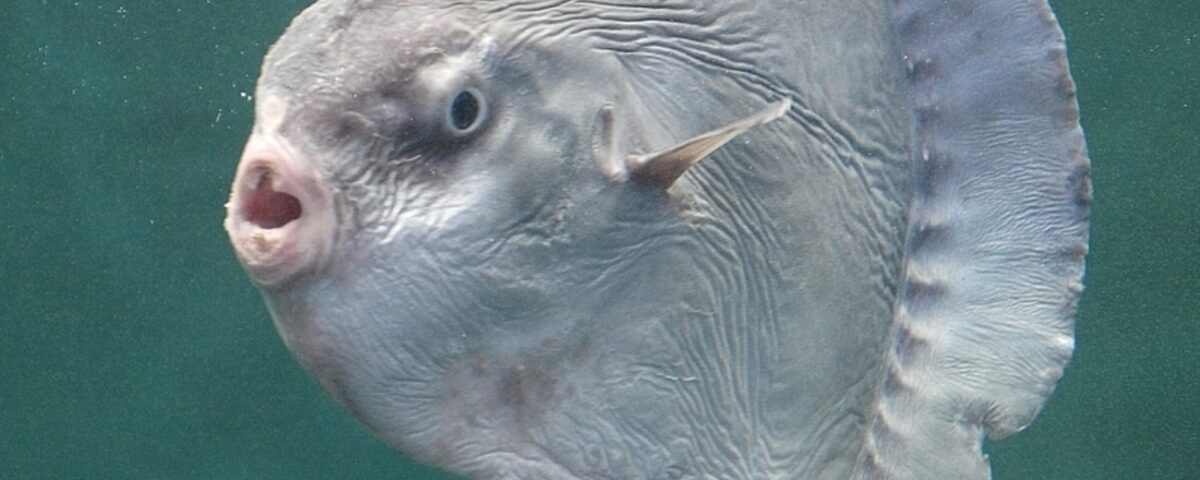
SD Point is the best backup when Crystal Bay conditions are too rough for Mola hunting. The mantas here are different species (reef mantas) but the encounters can be just as good, and the drift diving is more enjoyable than fighting current at Crystal Bay.
Stay at 12-18 metres for the manta cleaning stations. Like Manta Point, sit still and wait rather than chasing. The reef mantas here are accustomed to divers and will approach closely.
This is a good site to request if your operator is defaulting to Crystal Bay and Manta Point. Adding SD Point as a third dive gives you exposure to all three manta encounter styles — cleaning station, pelagic, and drift.
How to Get to Nusa Penida SD Point
Same access as all Nusa Penida sites — fast boat from Sanur to Nusa Penida, then dive boat to the site on the north coast. About 15-20 minutes from Toyapakeh harbour. Usually combined with Crystal Bay and/or Gamat Bay in a multi-dive day.
Gear Recommendations
SMB mandatory for drift dives. Reef hook useful if you find a cleaning station and want to park. Standard tropical suit, though a 5mm is worth considering for thermocline encounters. Wide-angle camera for manta shots.
Recommended Dive Operators
Same as Crystal Bay operators. Blue Corner Dive, Penida Divers, and Crystal Divers all include SD Point in their rotation.
Liveaboard Options
Not a standard liveaboard stop.