Pemuteran Bay (Biorock) Dive Site
Bali, Indonesia · Near Pemuteran
Overview
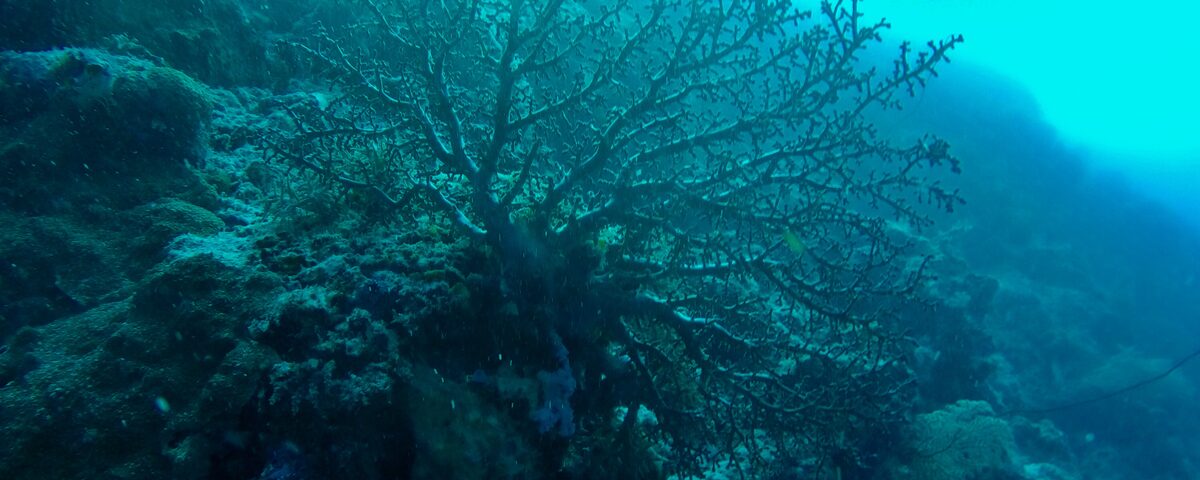
Pemuteran Bay on Bali's northwest coast is home to the world's largest Biorock coral reef rehabilitation project. Metal structures on the seabed are electrified with low-voltage current, which accelerates coral growth by 3-5 times the natural rate. The result is an artificial reef system teeming with life in what was once a degraded reef area.
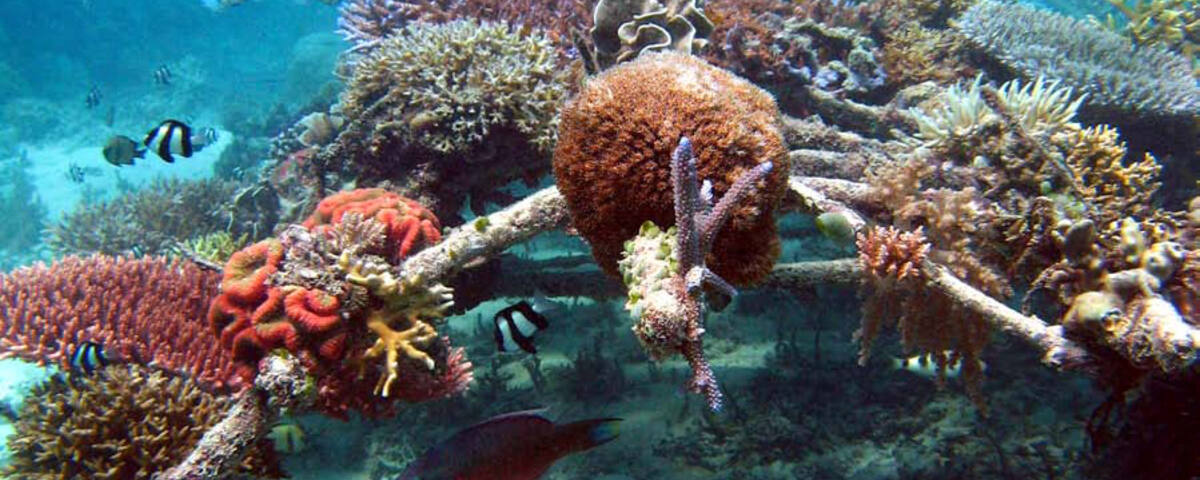
The Biorock project started in 2000 and now covers a significant area of the bay with over 100 structures. Coral fragments attached to the steel frames have grown into substantial colonies, attracting fish populations that rival natural reefs. It's a remarkable conservation success story and a unique dive experience.
Beyond the Biorock structures, Pemuteran Bay has a natural house reef with gentle conditions and good marine life. The combination of artificial and natural reef makes this an interesting multi-dive destination that also serves as the base for Menjangan Island trips.
Marine Life at Pemuteran Bay (Biorock)
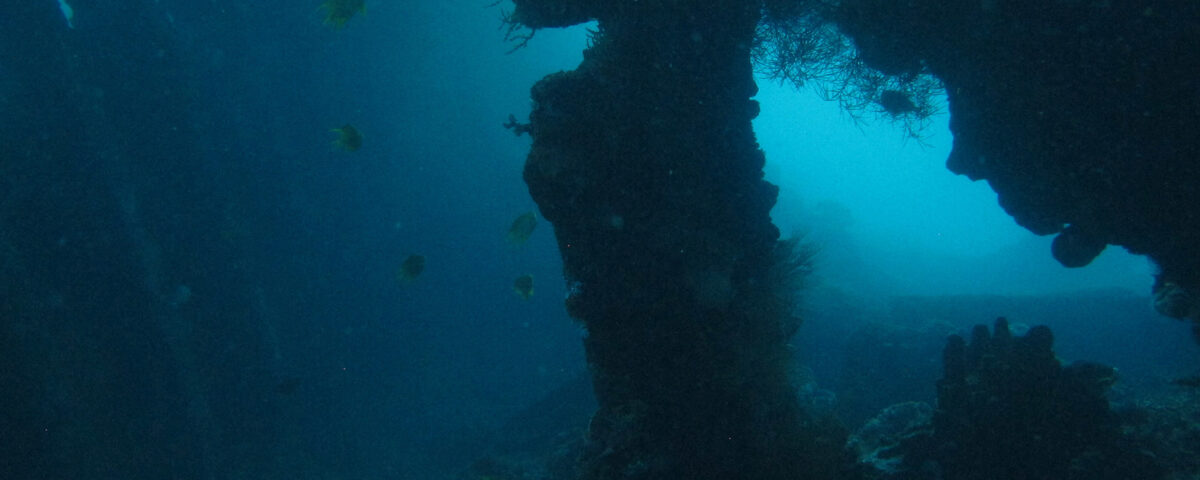
The Biorock structures themselves are fascinating — steel frameworks in various shapes (domes, pyramids, reef balls) covered in healthy coral growth. Fish populations around the structures are dense: schools of damselfish and anthias, resident octopus, moray eels in the framework, and lionfish hunting around the edges.
The natural reef hosts turtles, bamboo sharks resting on the sand, blue-spotted stingrays, seahorses in the seagrass areas, and good macro critters. Frogfish are periodically found on the Biorock structures. The healthy state of the rehabilitated reef attracts species that had abandoned the area when it was degraded.
Night dives on the Biorock structures are particularly interesting — the electric field attracts plankton, which in turn brings feeding fish and critters in unusual density.
Dive Conditions
As easy as it gets in Bali. Sheltered bay, no current, warm water, gentle sandy slope. Maximum depth of about 15 metres across the Biorock area. Visibility is typically 10-15 metres, occasionally better. Shore entry or short boat ride to the structures.
This is the most relaxed diving in Bali, suitable for absolute beginners, snorkellers, and divers recovering from challenging dives at Menjangan or elsewhere. The conditions are conducive to long, slow dives exploring the structures.
⚓ Divemaster Notes
The Biorock project is genuinely worth seeing, not just as a gimmick but as a functioning reef rehabilitation that has transformed the area. Spend time on the structures examining how the coral has grown — you can see different growth stages on structures installed in different years.
The house reef extends well beyond the Biorock area. Ask your guide to show you the seahorse habitat in the seagrass beds to the east of the main Biorock installation. Bamboo sharks rest under coral overhangs during the day.
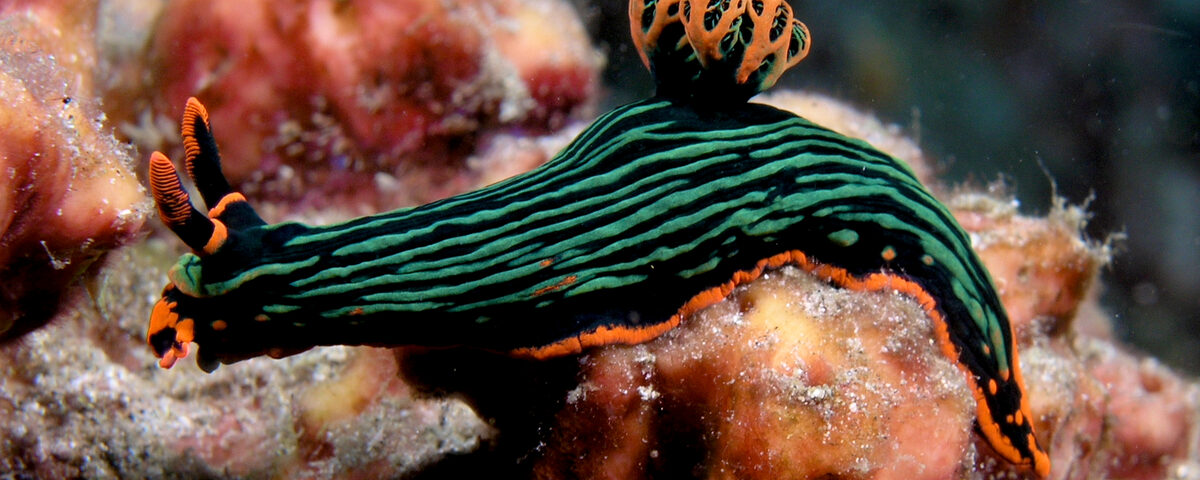
Night dives here are underrated. The combination of the electric field's effect on plankton and the shelter of the structures creates unusual nighttime activity. Spanish dancers and various nudibranch species are frequently spotted.
Base yourself here for 2-3 nights to properly explore both Pemuteran Bay and Menjangan Island. The area is far more relaxed than south Bali and significantly cheaper.
How to Get to Pemuteran Bay (Biorock)
Pemuteran is on Bali's northwest coast, 3.5-4 hours from the airport. The bay is directly in front of the village. Accommodation ranges from budget homestays to upmarket resorts like Pondok Sari and Matahari Beach Resort.
The Biorock project area is accessible from the beach — you can shore-dive or take a short boat ride. Pemuteran is also the base for Menjangan Island trips (30 minutes by boat).
Gear Recommendations
Nothing special needed. Camera for documenting the Biorock structures and macro critters. Torch for night dives and looking into the framework structures. Standard 3mm suit. Easy, uncomplicated diving.
Recommended Dive Operators
Reef Seen Aquatics is the original Pemuteran operator and directly involved with the Biorock project. They can provide detailed explanations of the rehabilitation technology. Sea Rovers and Werner Lau also operate here.
Liveaboard Options
Not a liveaboard destination. Day diving from Pemuteran-based resorts and operators.