Tulamben Drop Off Dive Site
Bali, Indonesia · Near Tulamben
Overview
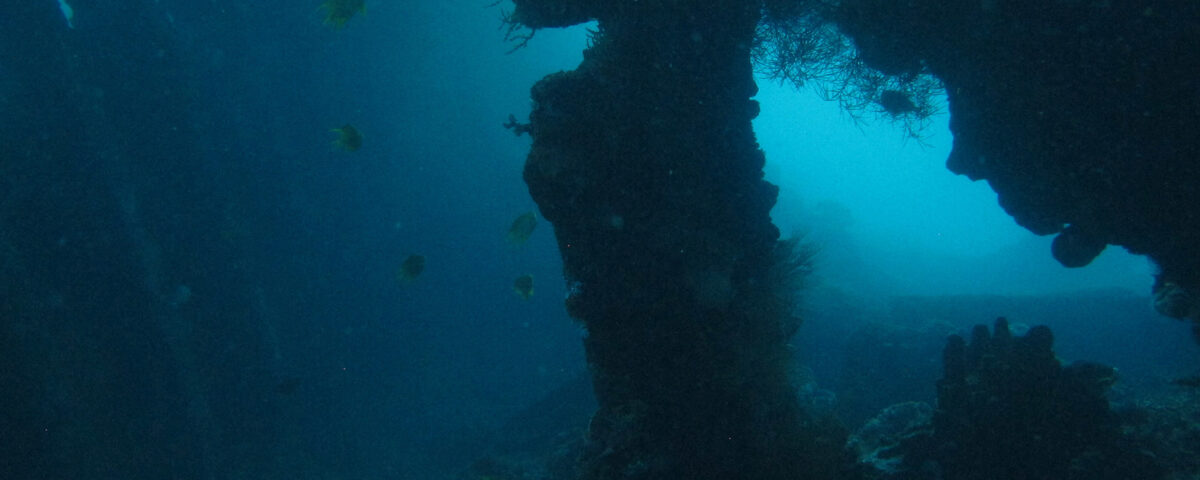
The Tulamben Drop Off is the wall dive just east of the USAT Liberty wreck. While the wreck gets all the attention, the Drop Off is arguably the better dive for marine life density and underwater photography. A coral-covered wall drops from 3 metres to beyond 60 metres, with a steep slope covered in pristine hard and soft corals.
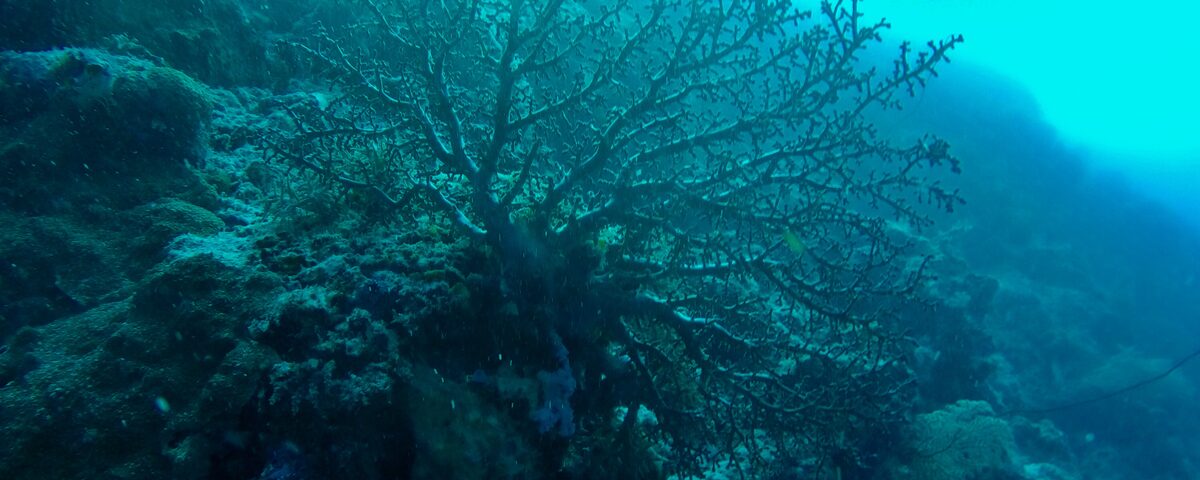
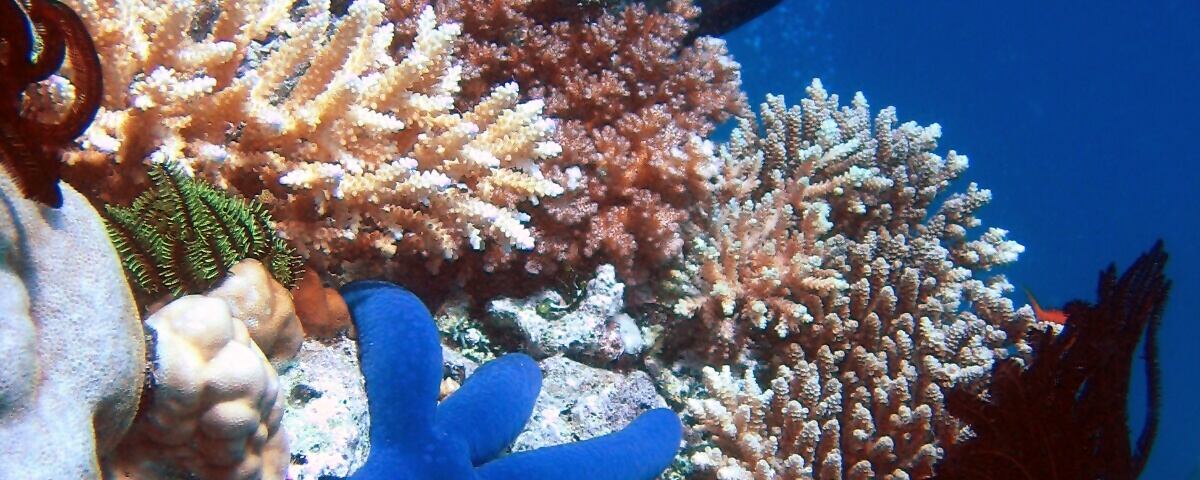
The site starts as a gentle slope of black volcanic sand that suddenly falls away into a sheer wall. The coral coverage on this wall is outstanding — enormous barrel sponges, gorgonian fans spanning 2 metres, and dense soft coral gardens in every colour. The wall creates upwellings that bring nutrient-rich water, supporting a food chain from tiny critters to pelagic visitors.
This is a shore dive, entered from the same beach as the Liberty wreck but walking 100 metres east. The same porters service both sites. It's an excellent second dive after the wreck, or a destination in its own right for those who prefer walls over wrecks.
Marine Life at Tulamben Drop Off
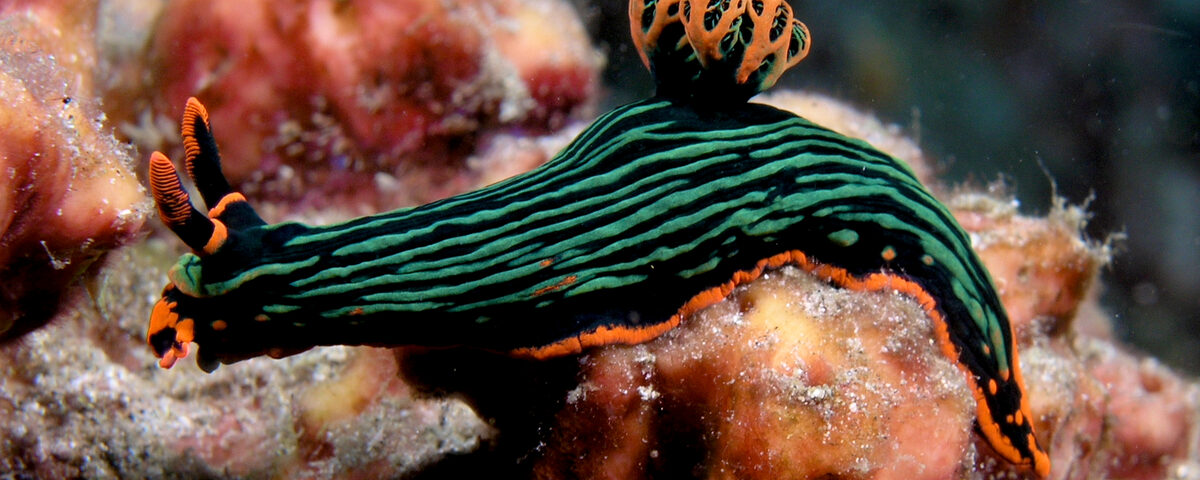
The wall is a macro photographer's paradise. Pygmy seahorses on gorgonian fans, multiple species of frogfish, ornate ghost pipefish, ribbon eels in the sandy sections, and a boggling variety of nudibranchs. The resident pair of banded sea kraits hunts in the coral crevices.
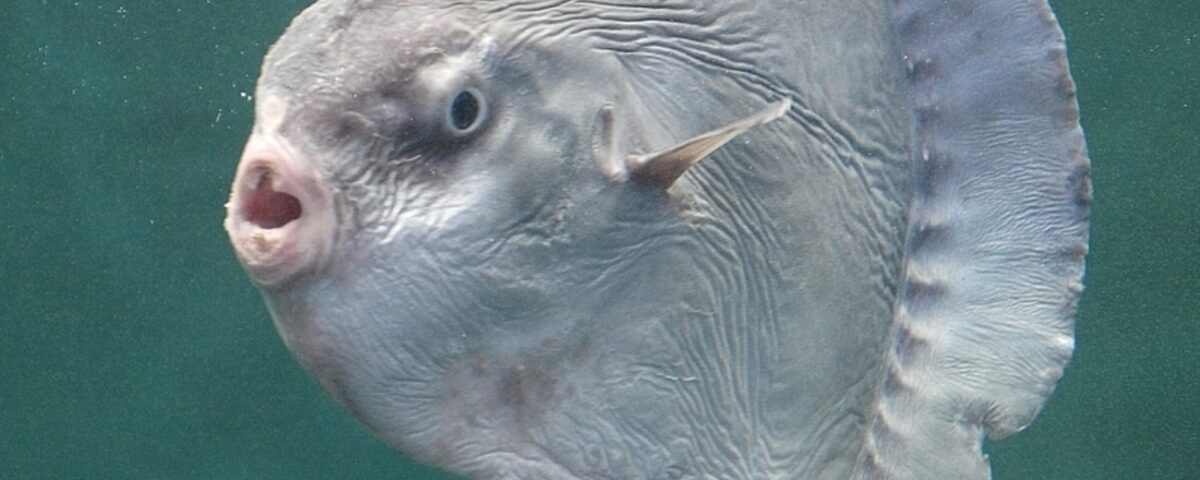
Bigger life includes a resident Napoleon wrasse, schools of bumphead parrotfish in the morning, reef sharks patrolling the wall edge, and occasional eagle rays. Garden eels carpet the sandy approach. At night, the wall comes alive with basket stars unfurling, Spanish dancers, and hunting cuttlefish.
The shallow reef at 3-8 metres is a macro goldmine with leaf scorpionfish, robust ghost pipefish, and juvenile fish sheltering in the hard corals.
Dive Conditions
Shore entry over volcanic pebbles, same as the Liberty wreck. Walk east along the beach to the drop-off entry point. Porters available.
Current is typically mild or absent. Occasionally a gentle drift runs along the wall, which makes for an easy dive. The wall faces east, so morning sun illuminates it beautifully for photography. Visibility is usually 15-25 metres, sometimes better.
The wall drops beyond recreational limits. Mind your depth and watch your computer. It's easy to drift deeper than planned when the wall pulls you down with interesting sightings at every depth.
⚓ Divemaster Notes
This is the better dive in Tulamben for photography. The wreck gets the crowds; the drop-off gets the critters. If you're doing two dives, do the wreck first (deeper, more air consumption) and the drop-off second.
Stay on the wall at 15-25 metres for the best coral and critter density. Going deeper adds risk without proportional reward unless you're specifically looking for something. The shallow return along the reef top at 3-8 metres is excellent and shouldn't be rushed.
Ask your guide to show you the pygmy seahorse fans — they know exactly where the current residents are. The frogfish move around, but there are usually 2-3 individuals on the wall at any given time.
Night dive the drop-off, not the wreck. The wall life after dark is significantly better.
How to Get to Tulamben Drop Off
Same as USAT Liberty — Tulamben village on Bali's northeast coast, 2.5-3 hours from the airport. The drop-off entry is 100 metres east of the wreck entry along the same beach. Stay in Tulamben for best access.
Gear Recommendations
Camera gear is the priority here. Macro lens for the critters, or a versatile mid-range setup. Torches for looking into crevices even on day dives. Standard 3mm exposure suit. SMB for safety, though you'll exit where you entered on most dives.
Recommended Dive Operators
Same as for the Liberty wreck — Tulamben-based operators have best access. Liberty Dive Resort, Tauch Terminal Tulamben, and Safety Stop Tulamben all run guided dives on the drop-off.
Liveaboard Options
Not a liveaboard site. Shore diving from Tulamben village.