Cannibal Rock Dive Site
Komodo, Indonesia · Near Labuan Bajo
Overview
Cannibal Rock is the site that macro photographers fly halfway around the world to dive. Sitting in the sheltered waters of Horseshoe Bay on Rinca Island's southern coast, this submerged pinnacle is carpeted with soft corals so dense they look painted on, and the critter density per square metre rivals anywhere in Indonesia.
The rock rises from a sandy bottom at about 30 metres to within 3 metres of the surface. Unlike the current-hammered pinnacles in the north of the park, Cannibal Rock sits in relatively sheltered water with mild currents, which allows the kind of slow, meticulous diving that macro photography demands. You can hover over a single coral head for ten minutes and find half a dozen subjects worth shooting.
The name sounds dramatic but the backstory is mundane: early dive guides named it after the Komodo dragons on nearby Rinca Island, which were (inaccurately) rumoured to have cannibalistic tendencies. The dragons are real and visible from the surface, but they're eating deer, not each other.
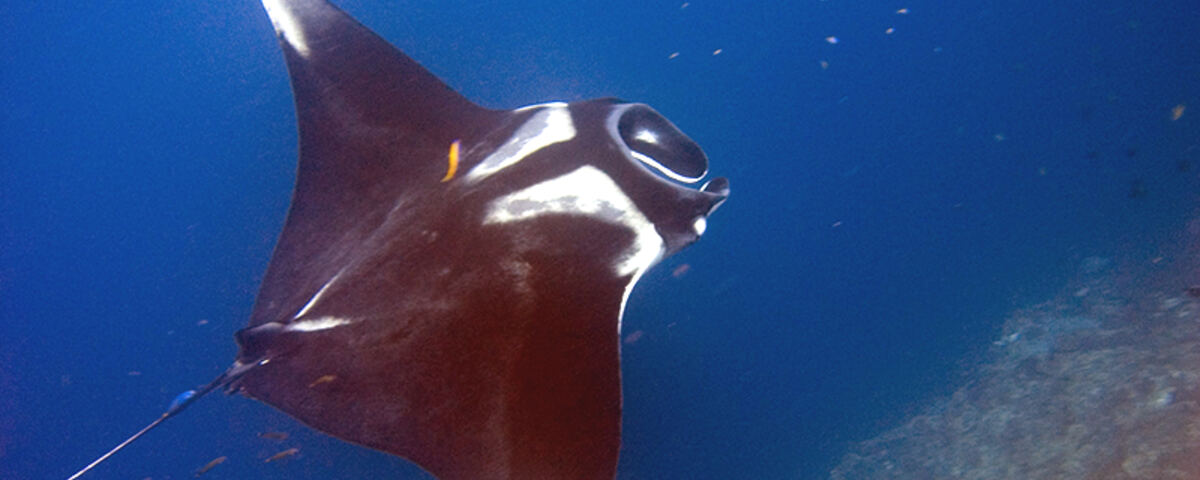
What makes Cannibal Rock genuinely special is the combination of incredible macro with respectable wide-angle opportunities. The soft coral coverage is dense enough to shoot wide, the schooling fish are present in good numbers, and the occasional visitor from deeper water (mantas have been seen here, though rarely) adds a pelagic element that pure muck diving sites lack. It's a rare site that satisfies both macro fanatics and wide-angle shooters on the same dive.
The site's remote location in the south of the park means fewer visitors than the northern sites, which adds to the atmosphere. Where Castle Rock and Crystal Rock might have multiple boats on busy days, Cannibal Rock often has one or two at most. The reduced diver traffic benefits both the marine life and the diving experience.
Marine Life at Cannibal Rock
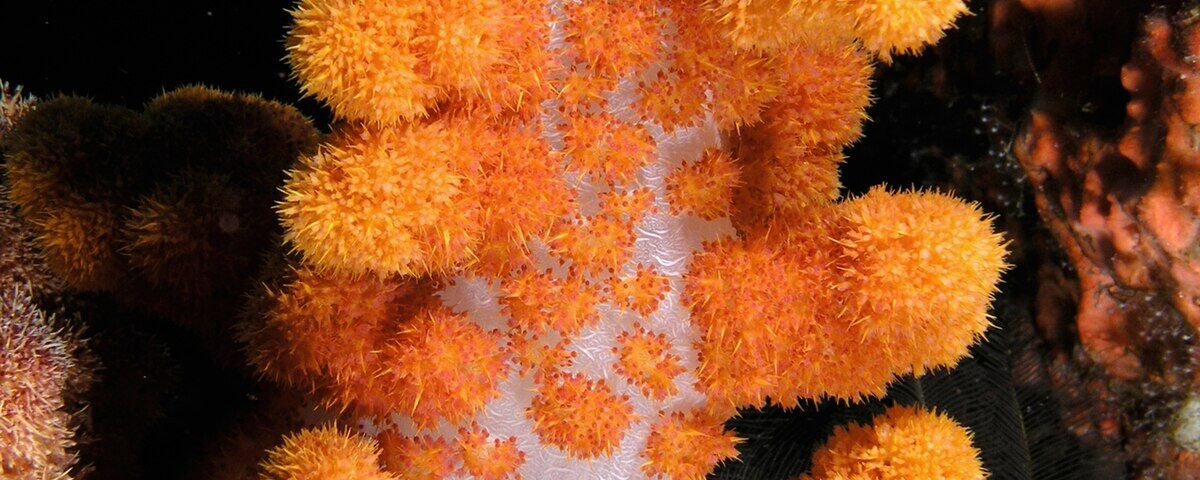
The soft coral is the first thing you notice: Dendronephthya in deep reds and purples covers the rock so thickly that bare stone is hard to find. Between the soft coral, barrel sponges anchor themselves at various depths, and sea apples (a type of sea cucumber with vivid colours and feeding tentacles) are scattered across the pinnacle in numbers unusual for most dive sites.
Crinoidal life is exceptional here. Feather stars in every colour from bright yellow to deep red cling to the fans and soft coral, their arms spread to filter feed from the mild current. On and around these feather stars, commensal species hide: crinoid shrimp, crinoid squat lobsters, and elegant crinoid fish that mimic the colour patterns of their host with startling accuracy.
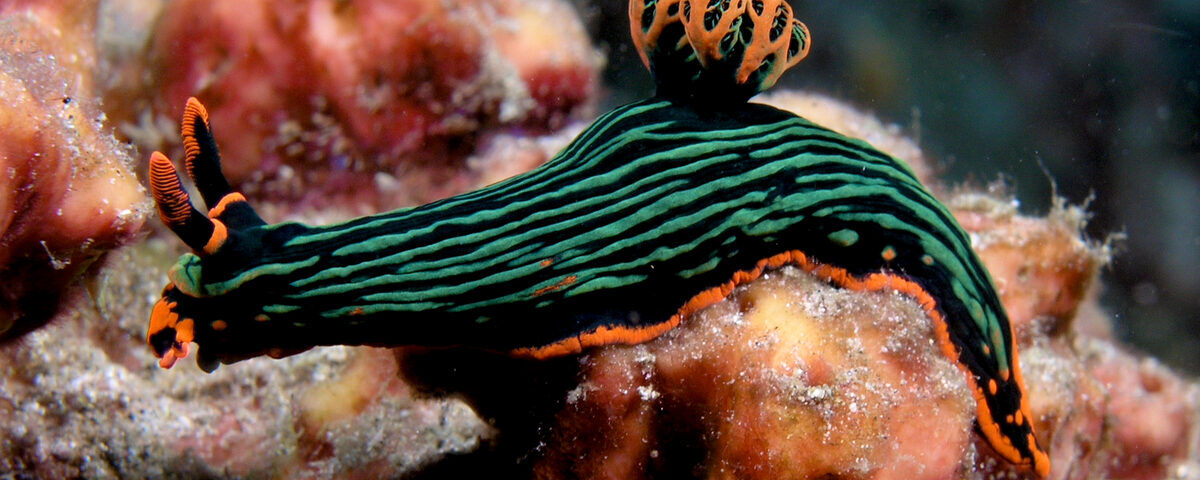
Nudibranchs are everywhere. Multiple species of Chromodoris, the large and spectacular Spanish dancer, and Nembrotha kubaryana with its green and black warning colouring are all regular residents. Pygmy seahorses inhabit the gorgonian fans, with Bargibanti's pygmy seahorse being the most commonly found species. Frogfish of various sizes and colours perch on the sponges and soft coral, relying on their camouflage to ambush passing prey.
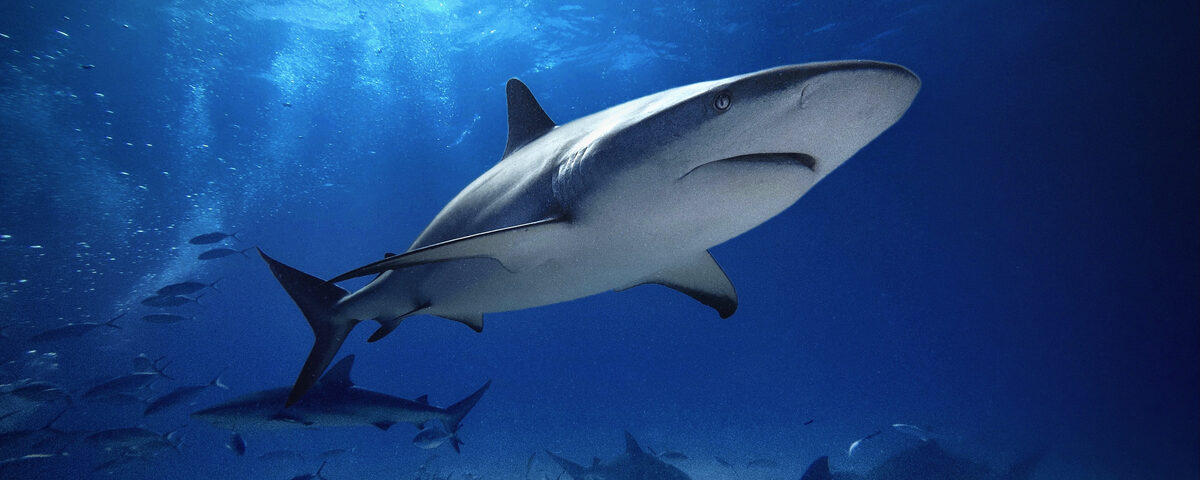
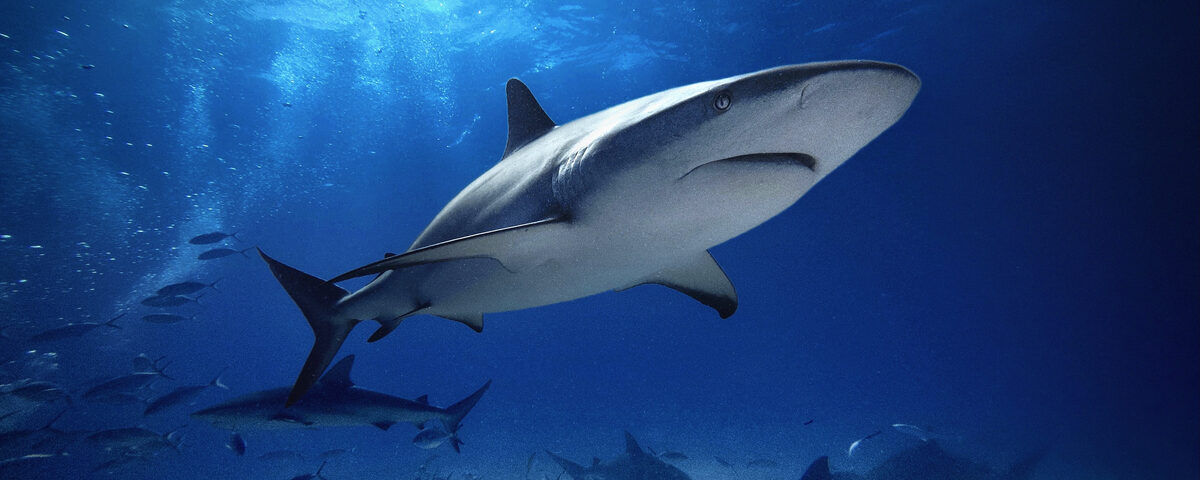
The fish life includes schools of anthias swarming the upper sections, batfish at mid-depth, and sweetlips under overhangs. Reef sharks pass through occasionally, and the sandy surrounds host garden eels and blue-spotted stingrays. Cuttlefish are present year-round and are particularly photogenic against the colourful soft coral backdrop.
The diversity of nudibranch species at Cannibal Rock has made it a pilgrimage site for marine invertebrate enthusiasts. Scientists from the California Academy of Sciences have documented species here that were previously unknown to science. The combination of cold, nutrient-rich water, diverse coral substrate, and protected status creates conditions that support nudibranch diversity levels found at very few sites worldwide.
Dive Conditions
Cannibal Rock sits in the sheltered southern section of Komodo National Park, which means milder conditions than the northern sites but also cooler water. Upwellings from the Indian Ocean bring cold, nutrient-rich water into this area, and temperatures can drop to 24 degrees or even lower. These cold upwellings are what feed the extraordinary soft coral growth, but they mean you'll want a thicker wetsuit than for the northern dives.
Current is typically mild to moderate and predictable. The sheltered position in Horseshoe Bay protects the site from the strongest tidal flows that batter Castle Rock and Crystal Rock. This makes for comfortable diving, particularly for photographers who need to hover in one spot for extended periods.
Visibility is generally lower here than at the northern sites, typically 8 to 20 metres. The nutrient-rich water that feeds all that coral growth also contains more particulate matter, reducing clarity. For macro photography this rarely matters, as your working distance is centimetres, not metres. For wide-angle, it means getting closer to your subjects and using lighting to compensate.
The pinnacle is small enough that a thorough exploration takes a single dive, but most photographers return multiple times to work different sections systematically.
The horseshoe bay surrounding Cannibal Rock provides sheltered anchorage for liveaboards, and some operators offer unlimited diving on the pinnacle during their stay. Three or four dives on the same small pinnacle might sound excessive, but the critter density rewards every visit with new discoveries. A morning dive reveals different active species from an afternoon dive, and the night dive is a completely different experience again.
⚓ Divemaster Notes
Cannibal Rock is where I take the underwater photographers. Not the point-and-shoot crowd, but the serious shooters who want to spend 80 minutes on a single pinnacle working through their macro lens setups. The critter density rewards patience in a way that few sites can match.
Bring a macro lens. Then bring a wider macro lens. The 60mm and 100mm equivalent focal lengths both work beautifully here, depending on whether you're shooting nudibranchs (100mm) or the broader soft coral scenes with critters in context (60mm). If you have to choose one lens, go with the wider option; you can crop, but you can't zoom out.
The cold water catches people off guard. After a few days of comfortable 28-degree diving in the north, dropping into 24-degree water at Cannibal Rock is a shock. A 5mm suit or even a semidry is not overkill here. Cold divers breathe faster, shake more (bad for macro photography), and cut dives short. Dress warm.
Ask your guide to show you the sea apples. These are distinctive creatures, related to sea cucumbers but far more photogenic, and Cannibal Rock has some of the highest densities I've seen anywhere. They extend their feeding tentacles in the current and make for striking images, particularly against the red and purple soft coral background.
The pygmy seahorses are here but you need a guide who knows exactly which fan they're on. These animals are less than 2 centimetres long and perfectly camouflaged against their host gorgonian. Don't try to find them yourself unless you know exactly what you're looking for.
The Spanish dancers at Cannibal Rock are some of the largest I've seen in Indonesia. These spectacular nudibranchs, which can exceed 30 centimetres in length, are typically nocturnal but occasionally active during twilight dives. Their undulating swimming motion, which gives them their name, is one of the most captivating sights in the nudibranch world.
How to Get to Cannibal Rock
Cannibal Rock is located in the southern section of Komodo National Park, in Horseshoe Bay on the south coast of Rinca Island. It's roughly 3 to 4 hours by boat from Labuan Bajo, which makes it a long day trip. Most divers access it via liveaboard, which can anchor in Horseshoe Bay and offer multiple dives over the stay.
Some day-trip operators run dedicated southern Komodo excursions that include Cannibal Rock, but the long journey means these are typically full-day trips with early departures and late returns. The boat ride is through relatively sheltered waters once you round the southern tip of Rinca.
Labuan Bajo is the departure point, with direct flights from Bali (approximately 1 hour). For divers specifically targeting Cannibal Rock, a liveaboard trip is the most practical and comfortable option.
Gear Recommendations
5mm wetsuit or thicker for the cold upwellings. Macro lens is the priority here; 60mm or 100mm equivalent. Dual strobes for macro lighting. Focus light essential for finding critters and for autofocus assistance. Wide-angle is secondary but useful for the soft coral landscape shots. Long dive times benefit from Nitrox. Reef hook unnecessary due to the mild current.
Recommended Dive Operators
Wunderpus Liveaboard includes Cannibal Rock on their southern Komodo itineraries, with guides experienced in macro diving and critter spotting. Blue Marlin Komodo runs occasional day trips to the southern sites, though the distance makes these less frequent than northern excursions. For dedicated macro trips, specialist photography-focused liveaboards like the Arenui and Samambaia offer the best combination of dive time and photographic support.
Liveaboard Options
Cannibal Rock is most practically accessed by liveaboard, and it's a highlight of southern Komodo itineraries. The Wunderpus, Samambaia, and Arenui all include Horseshoe Bay and Cannibal Rock on their routes. Some liveaboards offer dedicated macro photography trips that spend extra time at this site, with multiple dives over a day or two. The southern Komodo sites (including nearby Torpedo Alley and the Yellow Wall of Texas) offer a completely different diving experience from the northern current-swept pinnacles, and a comprehensive Komodo liveaboard trip should include both.