Gili Lawa Laut Dive Site
Komodo, Indonesia · Near Labuan Bajo
Overview
Gili Lawa Laut sits at the northern edge of Komodo National Park, an island whose underwater terrain offers multiple dive sites in one location. The island's reef system wraps around its perimeter, with different faces presenting different conditions depending on the tidal flow. The southern reef slope is a gentle introduction with healthy coral. The channel between Gili Lawa Laut and its twin island Gili Lawa Darat produces The Cauldron (dived separately). And the exposed northern and eastern faces catch the full force of the tidal current, creating conditions that rival Castle Rock for marine life density.
The site most divers refer to as Gili Lawa Laut is the eastern reef, a sloping wall and reef system that catches the incoming tide and concentrates pelagic visitors against the reef edge. When the current is running, schools of fish stack up in the mid-water, grey reef sharks patrol the blue beyond, and the reef itself buzzes with the energy of a site that's being actively fed by oceanic flow.
What makes Gili Lawa Laut particularly appealing is its versatility. Depending on conditions, the dive can range from a gentle reef exploration on the sheltered side to an advanced current dive on the exposed face. This means liveaboards and day-trip operators can adapt the dive plan to the group's ability level while still visiting the same island, something the fixed-point pinnacle sites don't offer.
The topside scenery adds to the experience. Gili Lawa Laut is one of the most photographed islands in the park, with its distinctive dry, grassy hills rising above turquoise water. Several liveaboards anchor here overnight and offer sunset hikes to the island's viewpoint, making it a complete destination rather than just a dive site.
The reef health reflects its position in the nutrient stream from the deep channels. Hard coral coverage is excellent on the sheltered faces, while the current-exposed eastern wall supports a mix of hard and soft corals that provide habitat for the fish life the site is known for.
The island has recently become a focal point for reef monitoring within the park. Conservation organisations have established permanent transect lines on several faces of the reef, and the data collected contributes to understanding coral recovery dynamics after bleaching events and the effects of park protection on reef health.
Marine Life at Gili Lawa Laut
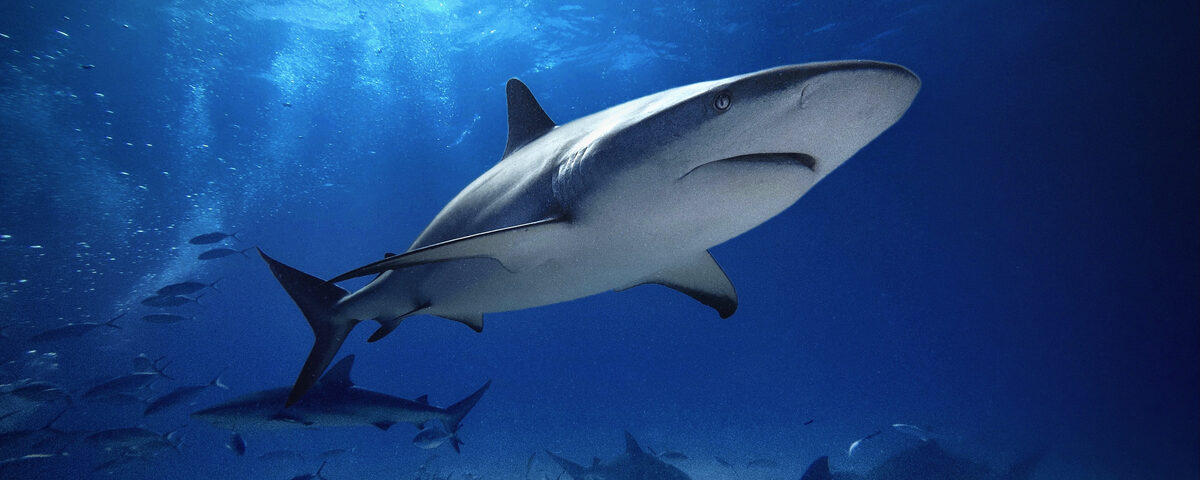
The eastern face in current produces impressive marine life. Grey reef sharks cruise the outer edge in groups, sometimes numbering half a dozen on a good day. White-tip reef sharks rest under overhangs and in the deeper sections. Giant trevally hunt in pairs or small groups, making explosive attacks on schooling fusilier and surgeonfish that pack the mid-water.
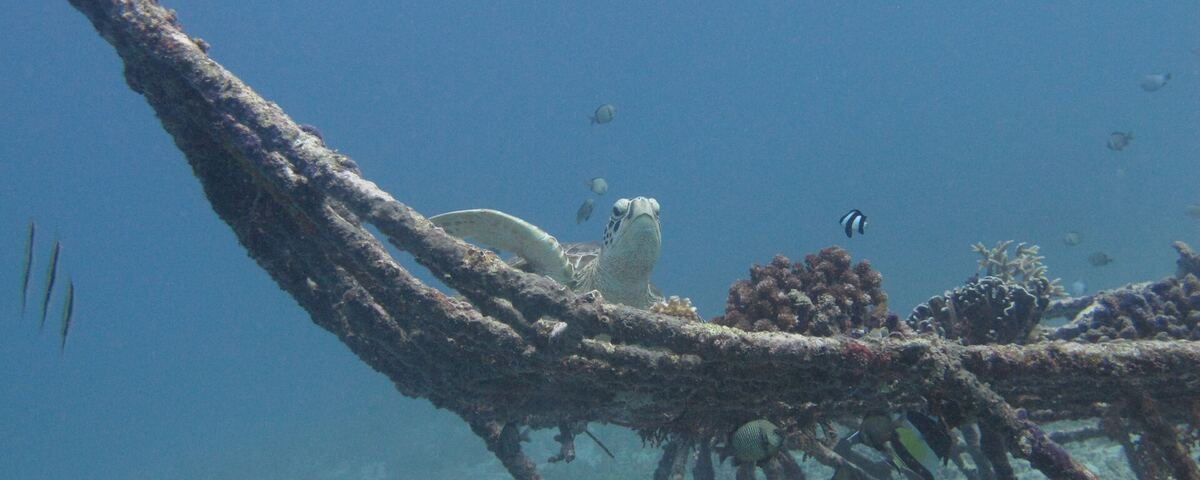
Napoleon wrasse are regular residents, and the larger individuals show no fear of divers, approaching within close range during drifts. Eagle rays appear periodically, usually as solitary animals sweeping along the reef edge. Green and hawksbill turtles are common across all sections of the reef.
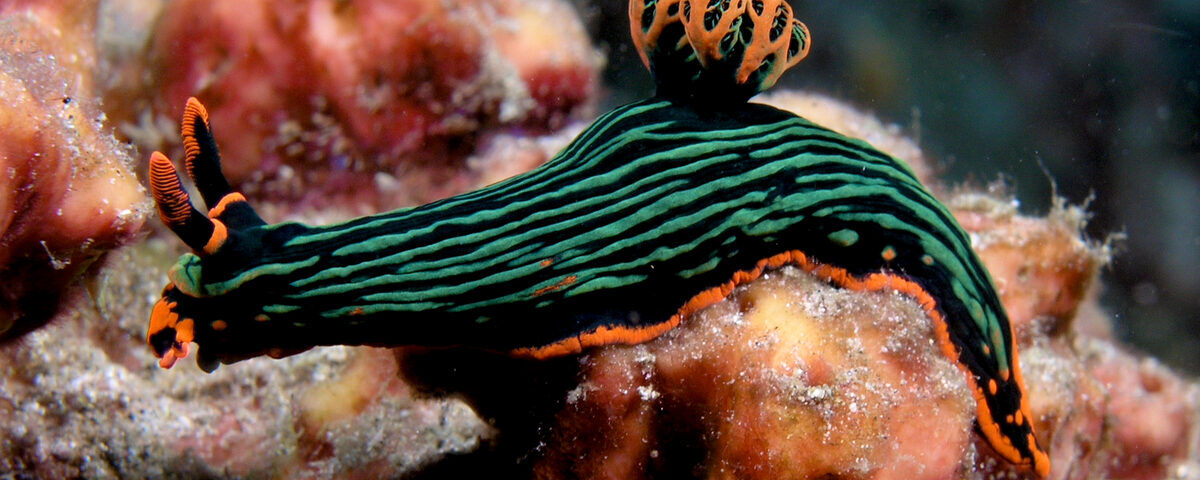
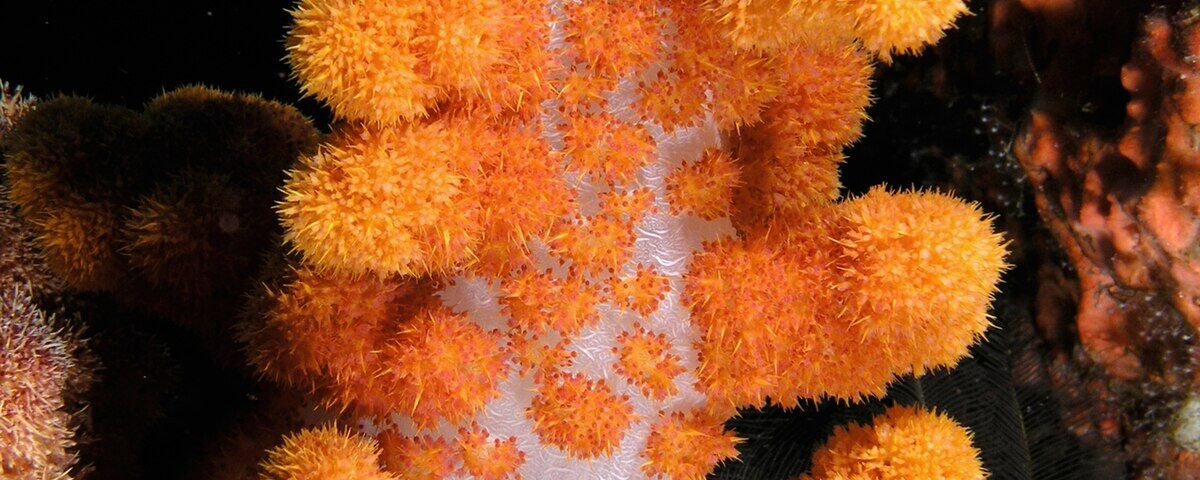
The sheltered southern face offers a different character. Healthy hard coral slopes support a calmer ecosystem with more macro potential. Cuttlefish hunt in pairs, octopus work the reef surface, and the usual Komodo complement of nudibranchs, scorpionfish, and moray eels inhabit the crevices. Anthias cloud the coral heads in pink and orange, and damselfish defend territories with characteristic aggression.
Schooling behaviour is the highlight on current days. Fusilier, surgeonfish, and snapper form dense aggregations that move as single organisms through the water column. Watching a school of several thousand fusilier split around a grey reef shark and reform behind it is the kind of encounter that defines Komodo diving.
The reef top in the shallows (5 to 8 metres) is excellent for safety stops, with healthy table coral, juvenile reef fish, and the occasional turtle encounter to occupy the final minutes of the dive.
The sunset at Gili Lawa Laut from the hilltop viewpoint is a highlight that has nothing to do with diving but everything to do with the Komodo experience. The panoramic view across the park's northern islands, with the setting sun illuminating the dry hills and the surrounding turquoise water, is a memory that complements the underwater experiences and reminds you why Komodo National Park is one of Indonesia's natural treasures.
Dive Conditions
Current at Gili Lawa Laut varies significantly depending on which face of the island you're diving and the tidal state. The eastern and northern faces catch the full tidal flow and produce moderate to strong current that demands experience. The southern and western faces are more sheltered and suitable for less experienced divers.
Experienced guides use the island's multiple faces to their advantage, choosing the dive location based on the day's current pattern and the group's ability. This flexibility is one of the site's strengths and a reason it features on so many liveaboard itineraries.
Visibility is typically excellent at 15 to 30 metres, benefiting from the open-ocean position and consistent current flow. Water temperature ranges from 25 to 29 degrees with occasional thermoclines.
The reef structure allows multiple dive profiles: wall diving on the eastern face, slope diving on the south, and drift diving when current cooperates. Entry is by boat, with negative entries used on the current-exposed faces. The boat tracks the group and picks up at the drift's end.
Intermediate certification is the minimum for the current-exposed faces. The sheltered southern reef is suitable for Open Water divers in mild conditions.
The island's multiple dive profiles make it an excellent choice for mixed-ability groups. While confident divers tackle the current-exposed eastern face, less experienced members of the group can explore the sheltered southern reef with a separate guide. This flexibility is rare at Komodo sites and makes Gili Lawa Laut particularly valuable for liveaboard operations hosting guests with varied experience levels.
⚓ Divemaster Notes
Gili Lawa Laut is my favourite all-round site in Komodo because I can adapt the dive to any group. Strong divers want the eastern face in current? Done. Beginners need a gentle reef? The south side delivers. Mix of abilities? I can split the group and run both options from the same anchorage.
The eastern face in full current is genuinely advanced territory. Don't let the 'reef' classification fool you. When the tide is pushing, this site produces the same kind of fish action as Castle Rock, just without the pinnacle structure. Reef hooks are useful here, particularly on the rocky outcrops along the eastern wall.
For the sunset hike, the trail up to the viewpoint takes about 20 minutes and the panorama at the top is one of the best in the national park. Bring water and shoes with grip; the path is steep and can be slippery. The view at golden hour, with the surrounding islands silhouetted against the sunset, is a highlight of any Komodo trip regardless of the diving.
I always plan the dive schedule around the tidal cycle at Gili Lawa Laut. The eastern face is best two hours either side of peak incoming tide. The sheltered south side works during slack water or when the flow is predominantly from the west. Ask your guide about the day's plan; a good one will have thought this through before breakfast.
The coral on the southern face has recovered well from a bleaching event a few years back. The regrowth is visible and encouraging, a reminder that these reefs can bounce back when the broader conditions (water quality, park protection, reduced fishing pressure) support recovery.
The anchorage at Gili Lawa Laut often has excellent snorkelling right from the boat. The shallow reef fringe around the mooring area supports healthy coral and a diverse fish community visible from the surface. For liveaboard guests who want a mid-afternoon activity without the full dive setup, a snorkelling session at the anchorage is a worthwhile option that many operators offer.
How to Get to Gili Lawa Laut
Gili Lawa Laut is in the northern section of Komodo National Park, roughly 2 to 2.5 hours by boat from Labuan Bajo. It sits close to Castle Rock and Crystal Rock, and day trips often combine all three sites in a full-day northern Komodo itinerary.
Many liveaboards use Gili Lawa Laut as an overnight anchorage, offering sunset hikes on the island and dawn dives before moving to the nearby pinnacle sites. The protected anchorage on the island's west side provides calm mooring in most conditions.
Labuan Bajo serves as the departure point, with direct flights from Bali and connections from Jakarta. Park entrance fees apply.
Gear Recommendations
3mm wetsuit standard for the warm northern water. Reef hook recommended for the current-exposed eastern face. SMB essential for drift dives. Wide-angle lens for the schooling fish and shark encounters on the eastern wall. Macro lens worthwhile for the sheltered southern reef. Nitrox beneficial for extended bottom time.
Recommended Dive Operators
Wunderpus Liveaboard uses Gili Lawa Laut as a regular anchorage point, with dives tailored to the conditions on each visit. Blue Marlin Komodo includes it on northern day trips, typically paired with Castle Rock or Crystal Rock. Dragon Dive Komodo offers smaller group experiences that allow more time exploring the different faces of the island's reef.
Liveaboard Options
Gili Lawa Laut is a centrepiece of Komodo liveaboard itineraries, serving as both a dive destination and overnight anchorage. The Wunderpus, Samambaia, Damai, and Arenui all feature it prominently. The ability to dive multiple faces of the island across different tidal states makes it valuable for liveaboards that spend a full day in the area.