Siaba Besar Dive Site
Komodo, Indonesia · Near Labuan Bajo
Overview
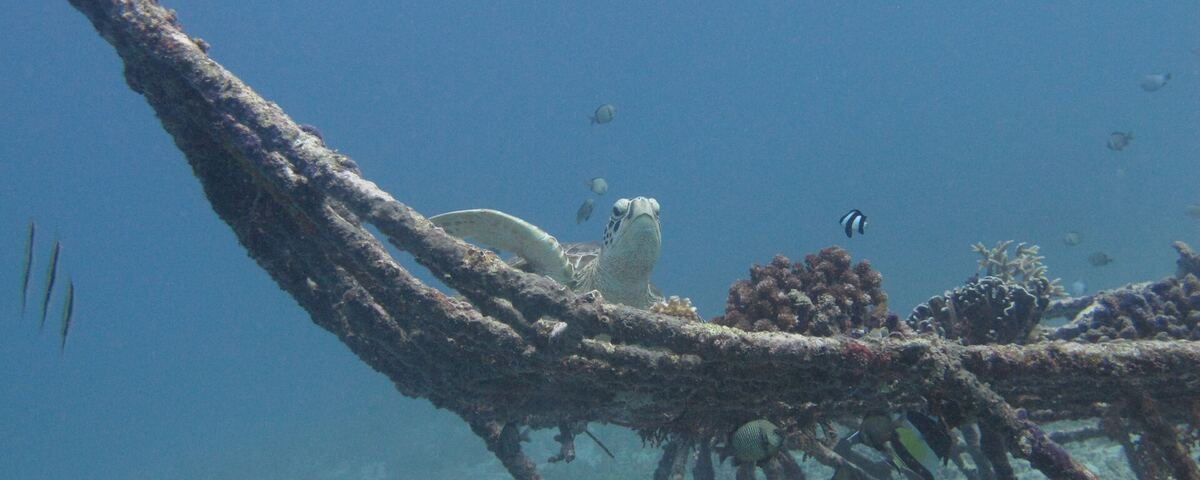
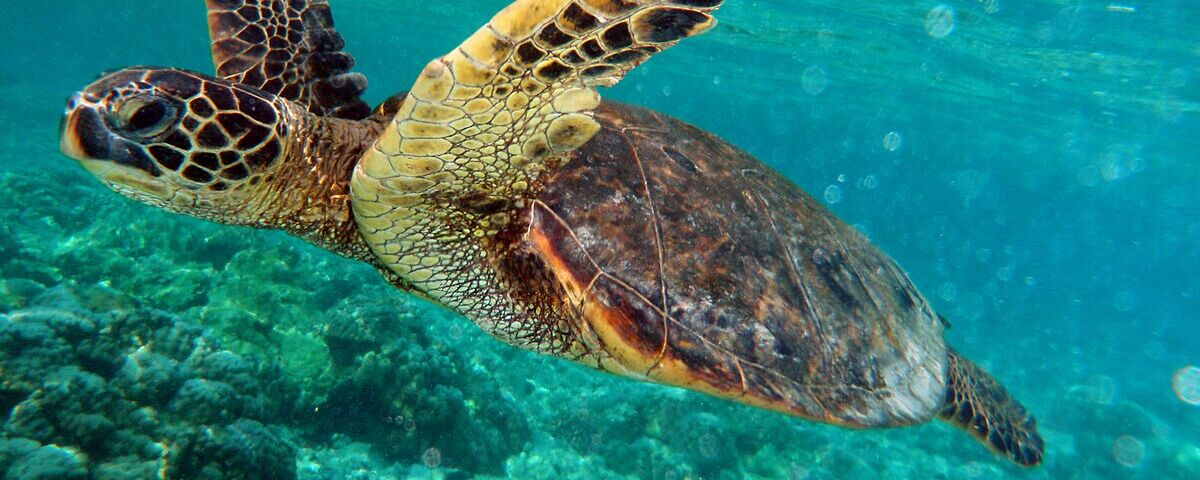
Siaba Besar is Komodo's turtle site. Green sea turtles gather here in numbers that make the Gili Islands look modest, resting on coral bommies, grazing on seagrass beds, and cruising the shallow reef with the relaxed confidence of animals that know they're in a national park. On a single dive, double-digit turtle encounters are normal rather than exceptional.
The reef is gentle and forgiving: a broad slope from 3 metres to about 18 metres, with scattered coral bommies, seagrass patches, and sandy areas. Current is typically mild, visibility is reasonable, and there's nothing here that should trouble an Open Water diver on their second or third ocean dive. It's the antithesis of Castle Rock's intensity, and that's entirely the point.
Siaba Besar sits between the islands of Komodo and Rinca, in relatively sheltered waters that avoid the worst of the tidal currents. The seagrass beds that cover sections of the site are what draw the turtles, providing food and resting habitat. The combination of protected waters, abundant food, and national park status has created one of the densest turtle aggregations in the Indonesian archipelago.
Advanced divers sometimes dismiss Siaba Besar as too easy or too shallow. They're wrong. The site delivers consistent, high-quality turtle encounters in comfortable conditions, and swimming alongside a 1.2-metre green turtle that doesn't flinch at your presence is a genuinely moving experience regardless of how many dives you have in your logbook. Not every dive needs adrenaline to be memorable.
The seagrass beds at Siaba Besar are ecologically significant beyond their role as turtle food. Seagrass meadows are one of the ocean's most effective carbon sinks, sequestering carbon at rates exceeding tropical rainforest per unit area. The healthy seagrass here is both turtle habitat and climate infrastructure, a fact that adds scientific significance to what is already a beautiful dive.
Marine Life at Siaba Besar
Green sea turtles dominate the site, with typical encounters numbering 10 to 20 individuals on a single dive. Many are large adults with shells exceeding a metre across, and they're extraordinarily tolerant of divers. Some will continue feeding or resting while you hover a metre away. Hawksbill turtles are present in smaller numbers, usually on the coral sections where they feed on sponges.
The seagrass beds between the coral bommies host a different set of marine life from the reef sites. Seahorses (not pygmy, but the larger thorny seahorse species) are found here with some regularity, clinging to debris and seagrass stems. Pipefish are more common and easier to spot, their elongated bodies hovering among the grass blades. Blue-spotted stingrays rest on the sandy patches between seagrass clumps.
The coral bommies themselves support reef fish assemblages including various species of butterflyfish, angelfish, and wrasse. Anemonefish colonies are well established on several bommies. Schools of small reef fish, damselfish and chromis mostly, swarm the coral structures. Cuttlefish are present and easier to photograph here than at current-swept sites, as the calm conditions allow close approaches.
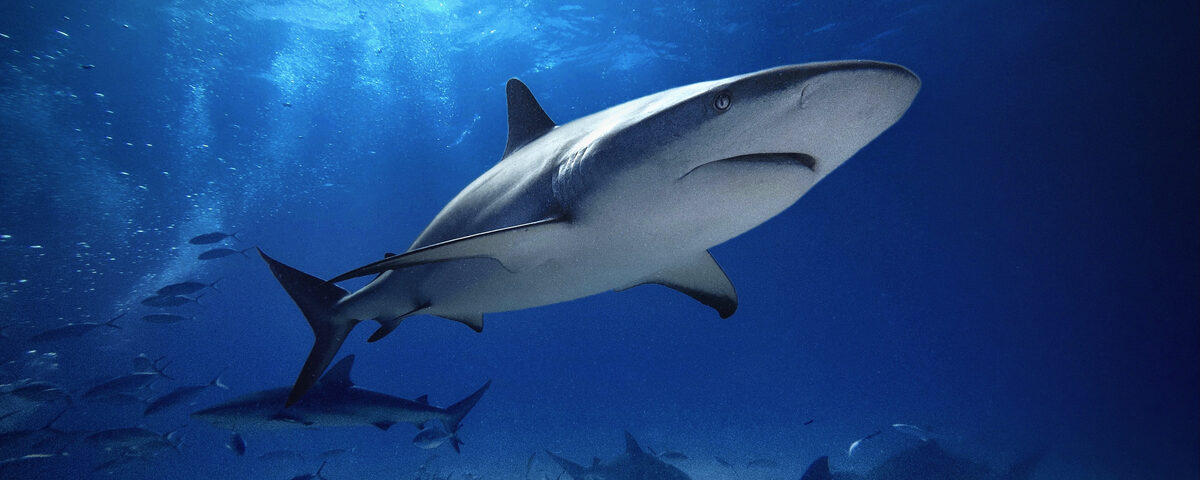
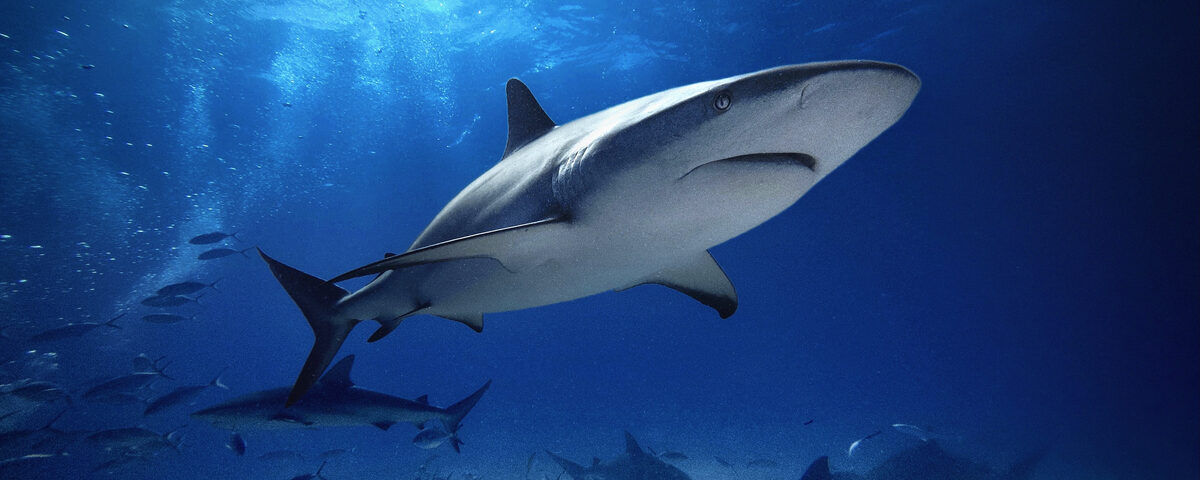
Reef sharks are occasional visitors rather than residents, with black-tips sometimes passing through the shallower sections. The site doesn't deliver the pelagic action of Komodo's deeper sites, but what it offers is consistent, accessible, and deeply satisfying.
The resident turtle population at Siaba Besar includes several individuals that have been identified by local guides over years of repeated observation. Some of the largest green turtles have distinctive shell markings and injuries that make them individually recognisable. Your guide may be able to tell you the history of specific animals, which adds a personal dimension to the encounter that generic wildlife sightings lack.
Dive Conditions
Siaba Besar is one of the calmest dive sites in Komodo National Park. Current is typically mild and manageable for all certification levels. The gentle slope and shallow maximum depth mean there's minimal risk of depth-related issues, and the proximity to shore provides a visual reference that helps newer divers maintain orientation.
Visibility ranges from 10 to 20 metres, occasionally better. It's not Crystal Rock clarity, but it's sufficient for excellent turtle encounters and reef photography. Water temperature is a comfortable 27 to 29 degrees, without the cold upwellings that affect the southern sites like Cannibal Rock.
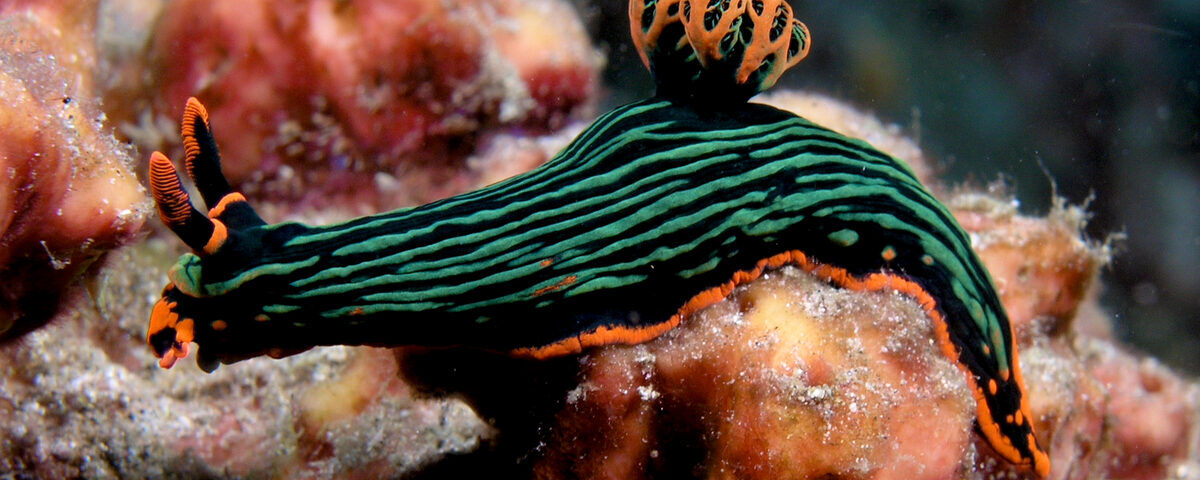
Entry is by boat, typically a 45-minute to 1-hour ride from Labuan Bajo. The shallow, gentle profile means this is suitable for discovery dives (try-dive experiences) as well as certified divers. It's also an excellent night dive site, with the turtles sleeping on the bommies and a different cast of nocturnal characters emerging: hunting octopus, Spanish dancer nudibranchs, and crabs of various sizes.
The biggest condition variable is wind. Westerly winds can create surface chop over the site, making the boat ride less comfortable and the shallow sections slightly surgy. Dry season (April to November) generally offers the calmest surface conditions.
The site works well as a combination scuba/snorkelling destination. Non-diving companions can snorkel the shallow seagrass beds while divers explore the deeper bommies, and both groups see turtles. Some operators offer combined packages that include snorkelling gear for non-divers alongside the scuba operation.
⚓ Divemaster Notes
I use Siaba Besar for two things: check dives for new arrivals and dedicated turtle encounters for guests who specifically want that experience. It excels at both.
The turtles respond to diver behaviour. Approach slowly, from the side rather than directly above, stay at the turtle's level rather than hovering over it, and never touch. A calm diver gets close encounters that last minutes. An excited diver chasing a turtle gets a brief glimpse of a shell disappearing into the blue.
The seagrass sections are underrated. Most divers gravitate to the coral bommies, and the seagrass beds look boring by comparison. But that's where the seahorses and pipefish live, and finding one is more rewarding than photographing your fifteenth turtle.
For night diving, Siaba Besar is one of my favourite Komodo sites. The turtles wedge themselves into crevices on the bommies and sleep, breathing so slowly they look like statues. Hunting octopus are active and less camera-shy at night. The site's gentle conditions make it a safe and comfortable night dive even for divers with limited night experience.
Honestly, this site doesn't make anyone's Instagram highlight reel. No dramatic current, no dramatic walls, no dramatic sharks. But in terms of consistent, reliable encounters with healthy, relaxed marine life, Siaba Besar delivers better than almost anywhere else in the park.
The afternoon light at Siaba Besar creates excellent conditions for turtle silhouette photography. Position yourself below a resting turtle with the sun behind it, and the shell becomes a dark outline against bright blue water. These graphic, high-contrast images are some of the most striking turtle photographs possible, and Siaba's calm conditions make the technique accessible even for photographers still learning underwater photography.
One practical tip: the seagrass beds can trap fin strokes and create silt clouds that reduce visibility. Over seagrass, use a modified frog kick that keeps your fins higher than usual, or simply glide between kick cycles. The turtles appreciate the reduced disturbance and you'll get better encounters.
How to Get to Siaba Besar
Siaba Besar is located between Komodo and Rinca islands, roughly 45 minutes to 1 hour by dive boat from Labuan Bajo. It's one of the closest park dive sites to town, making it practical for half-day trips as well as full-day excursions.
Labuan Bajo is the departure point, with direct flights from Bali (approximately 1 hour). The short boat ride makes this site accessible even on arrival or departure days when time is limited.
Some operators combine Siaba Besar with nearby sites like Tatawa Besar or the mangrove dives at Rinca for a varied day of diving at different difficulty levels.
Siaba Besar's proximity to Labuan Bajo makes it one of the quickest sites to reach, and some operators offer it as a half-day trip option for divers with limited time. The short boat ride means less fuel cost and less time spent on the water, making it a cost-effective option for budget-conscious divers who want a high-quality Komodo experience without a full-day commitment.
Gear Recommendations
Standard tropical setup: 3mm wetsuit, mask, fins, computer. Wide-angle lens for turtle portraits and reef scenes. Macro lens also useful for seahorse and critter hunting in the seagrass. Torch for looking into crevices and essential for night dives. No reef hook needed; the mild current doesn't warrant one.
Recommended Dive Operators
Most Labuan Bajo operators include Siaba Besar in their rotation. Blue Marlin Komodo and Uber Scuba Komodo use it as a training or check-dive site. Dragon Dive Komodo offers it on their half-day packages. For a dedicated turtle experience, any operator can bring you here; the challenge is more about choosing a day with good conditions than finding the right guide.
Liveaboard Options
Siaba Besar appears on some Komodo liveaboard itineraries, typically as a check-dive site or rest-day dive between more demanding sites. Its proximity to Labuan Bajo means liveaboards heading north often pass it early in the trip. The site is easily accessed by day-trip operators, so liveaboard access isn't essential.
Siaba Besar is the ideal liveaboard first stop, close enough to Labuan Bajo to reach quickly after departure but rewarding enough to set the tone for the trip. Many liveaboard crews schedule it as the sunset dive on departure day, offering a twilight dive as the light fades and the nocturnal creatures emerge.