Siaba Kecil Dive Site
Komodo, Indonesia · Near Labuan Bajo
Overview
Siaba Kecil is the turtle dive in Komodo National Park. Not a site where you might see turtles if you're lucky, but one where failing to see multiple green turtles on a single dive would be genuinely unusual. The small island sits close to its bigger sibling Siaba Besar, sharing similar sheltered conditions, but the reef structure here concentrates turtles in a way that the larger site doesn't quite match.
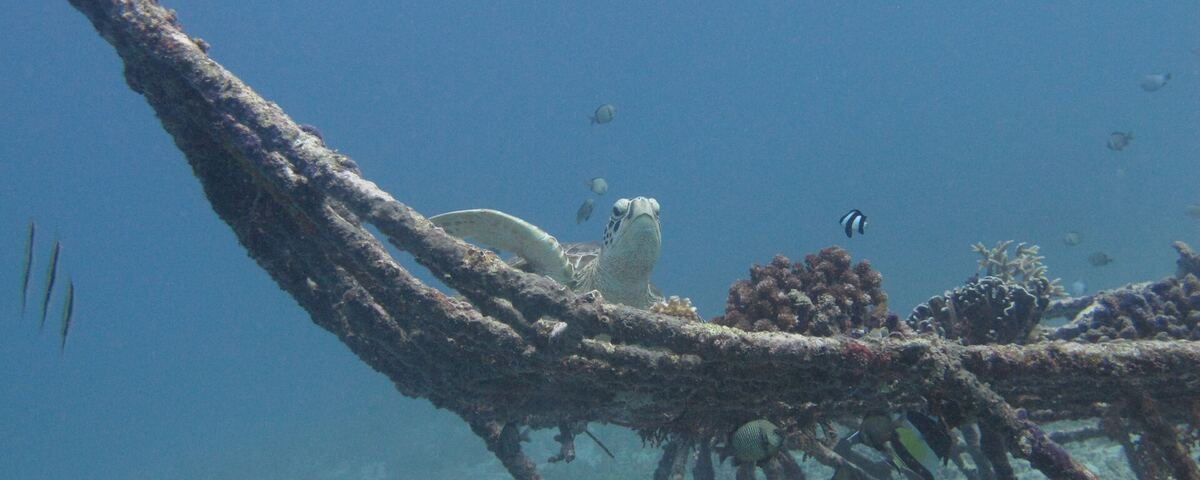
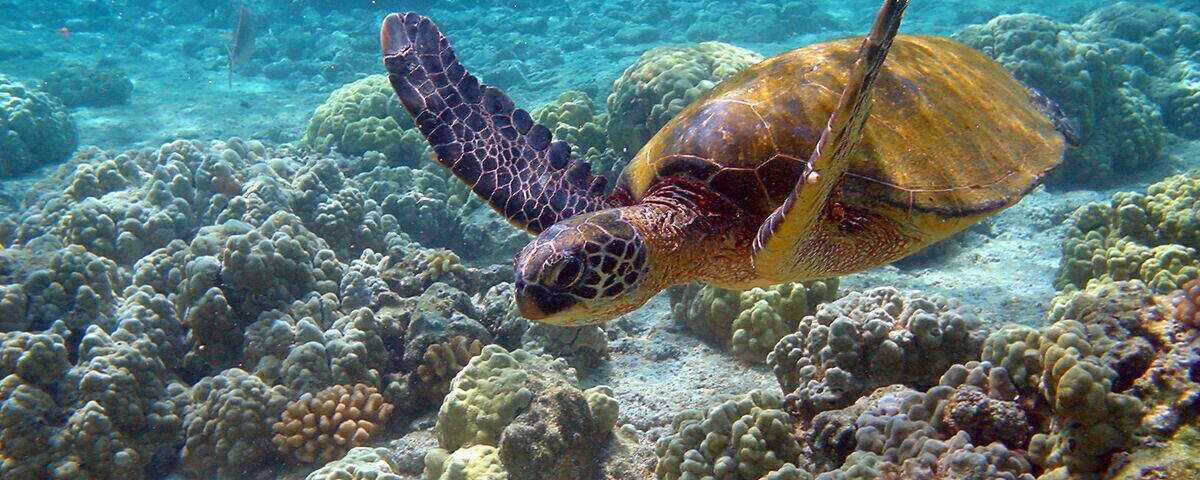
The reef slopes gently from about 3 metres to 18 metres, wrapping around the island's protected southern face. Seagrass beds in the shallows provide grazing habitat for green turtles, while the coral-covered slope offers resting spots and cleaning stations. On a typical dive, you'll see anywhere from 5 to 15 turtles, sometimes more during peak season. They rest on coral bommies, hover at cleaning stations where wrasse pick parasites from their shells, and graze the seagrass with a slow methodical rhythm that perfectly suits the relaxed pace of this dive.
The mild current and shallow depth profile make Siaba Kecil one of the most accessible sites in the national park. It works for Open Water divers on their first ocean dive, for snorkellers above, and for photographers who want close-up turtle encounters without fighting current or managing deep profiles. The simplicity of the diving is the point.
That said, calling it a beginner site undersells the experience. The turtle encounters here are better than at many sites marketed specifically as turtle destinations around the world. The combination of protected park status, healthy seagrass beds, and minimal current creates ideal conditions for a resident turtle population that has grown steadily since park protections strengthened.
Siaba Kecil also functions as a check dive site for liveaboard operations, where guides assess new groups' skills before heading to more demanding sites. But even experienced divers who've dived the thundering currents at Castle Rock come back to Siaba Kecil voluntarily. Sometimes you just want to hang out with turtles.
The seagrass beds at Siaba Kecil play an ecological role beyond providing turtle grazing habitat. Seagrass meadows function as carbon sinks, sediment stabilisers, and nursery grounds for reef fish species that will later migrate to the coral reef. The health of the seagrass here reflects the broader environmental condition of the park and contributes to the reef system's overall resilience.
Marine Life at Siaba Kecil
Green turtles are the main attraction, present in numbers that border on excessive. They rest on the reef, feed in the seagrass beds, and hover at cleaning stations throughout the dive. Most are sub-adults and adults, with shell lengths from 60 centimetres to over a metre. Hawksbill turtles are occasionally present but significantly less common than the green turtles that dominate the site.
The turtles' comfort with divers is notable. They allow close approaches if you move slowly and avoid positioning yourself directly above them (which triggers a flight response). Some individuals continue feeding within arm's reach of hovering divers, which is the mark of a population that has learned humans here are not a threat.
Beyond the turtles, the reef supports healthy fish communities typical of Komodo. Damselfish defend coral territories aggressively, clownfish nestle in anemones at several points along the slope, and schools of surgeonfish graze the reef in loose formations. Cuttlefish are common residents, often seen in pairs displaying courtship colours or hunting across the coral surface.
The seagrass beds in the shallows harbour their own community: pipefish thread through the grass blades, sea urchins work the substrate, and juvenile fish of many species use the seagrass as nursery habitat. The transition zone between seagrass and coral reef is particularly productive and worth exploring.
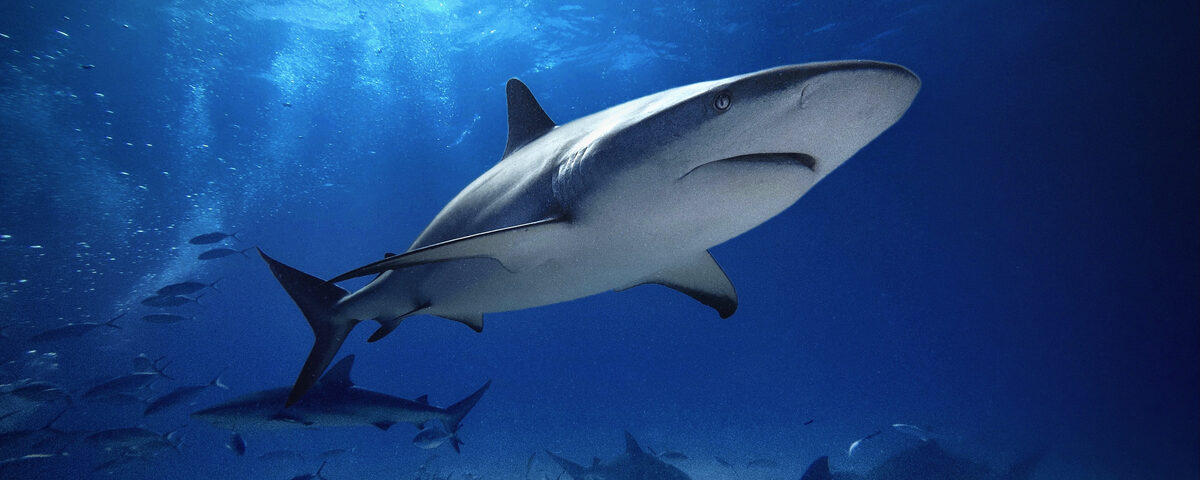
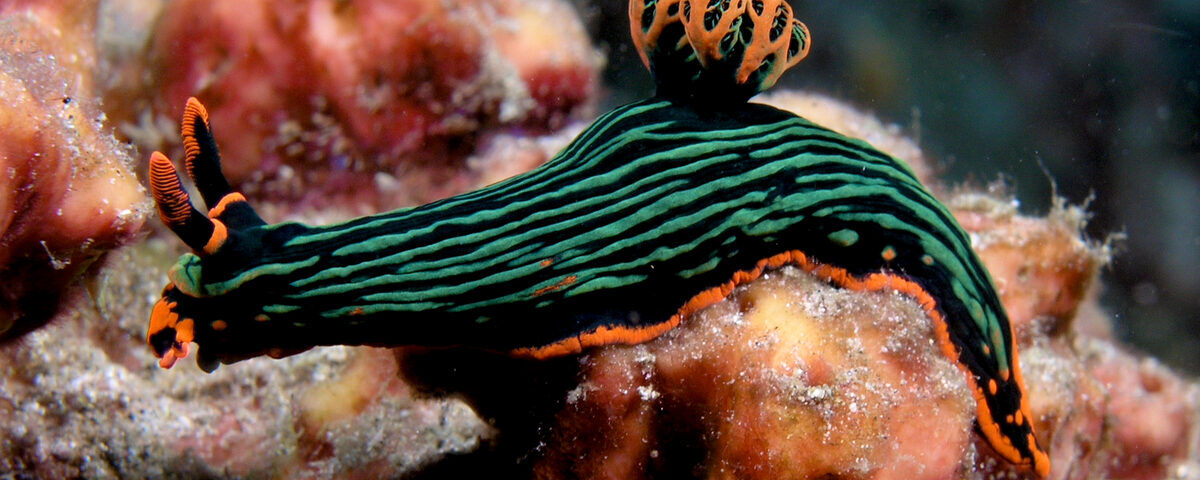
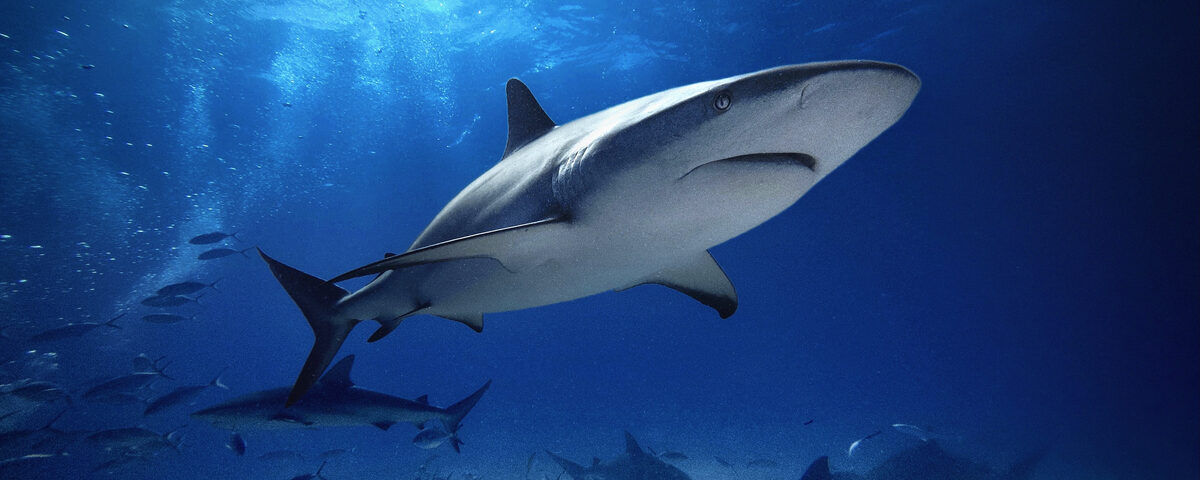
Reef sharks are less common here than at the current-exposed sites, but black-tip reef sharks do patrol the deeper sections occasionally. The invertebrate life includes nudibranchs on the coral surfaces, feather stars in various colours, and blue-spotted stingrays resting on the sandy patches between coral formations.
The cleaning stations scattered along the reef slope are worth observing closely. Turtles hover motionless at these stations, sometimes for 10 minutes or more, while cleaner wrasse pick parasites and dead skin from their shells and flippers. The behaviour is cooperative and gentle, and watching a 100-kilogram turtle submit patiently to the ministrations of a 10-centimetre wrasse is one of diving's more charming spectacles.
Dive Conditions
Siaba Kecil is one of the calmest dive sites in Komodo National Park. Current is typically mild, rarely exceeding a gentle drift that makes the dive comfortable without requiring any current management skills. The island's sheltered position protects it from the tidal flows that power the nearby channel sites.
Visibility ranges from 10 to 20 metres, occasionally better during optimal dry season conditions. The seagrass and sandy bottom can reduce clarity slightly compared to wall and pinnacle sites, but the working distances here are short (you're looking at turtles a few metres away, not scanning the blue water) so visibility rarely affects the experience.
Water temperature is comfortable at 26 to 29 degrees, without the cold upwellings that affect the southern park sites. A 3mm wetsuit is plenty for most divers.
The shallow depth profile (max 18 metres, most diving between 5 and 12 metres) allows long dives with generous air reserves. Sixty-minute-plus dives are standard here, and guides typically allow the dive to run until air or boredom dictates the end. The gentle slope means you can ascend gradually through the whole dive, finishing in the seagrass shallows for a safety stop that's often more interesting than the deeper sections.
This site is genuinely suitable for all certification levels, including newly certified Open Water divers and those with limited experience. The absence of significant hazards (no strong current, no depth challenges, no overhead environments) makes it one of the safest dives in the park.
Snorkelling at Siaba Kecil is excellent alongside the diving. The shallow seagrass beds and reef top are accessible from the surface, and turtles feeding in 2 to 3 metres of water are visible to snorkellers with ease. Some operators offer combined dive and snorkel trips, making this a good option for groups with mixed abilities.
⚓ Divemaster Notes
Siaba Kecil is my turtle guarantee site. When guests ask where they'll definitely see turtles, this is where I point them. In hundreds of dives here, I've never had a dive without at least three green turtles, and most days it's ten or more.
The key to good turtle encounters is simple: don't chase them. Find a turtle resting on a bommie, approach slowly from the side (never directly above), and settle at their level or slightly below. Most will stay put. Some will actually come closer to investigate you, which is a magical moment that happens only when you're still and patient.
I start most dives by heading to the deeper edge of the reef (12 to 15 metres) where the larger adults tend to rest, then work gradually shallower through the cleaning stations and seagrass beds. This gives a natural progression that covers the whole site without wasting time on the less productive middle depths.
For photographers, the turtles at Siaba Kecil are as close to cooperative models as you'll find in the wild. Shoot with natural light in the shallows for the classic green-water-turtle portrait. The seagrass feeding shots are particularly good because the turtle is engaged in natural behaviour rather than just sitting still.
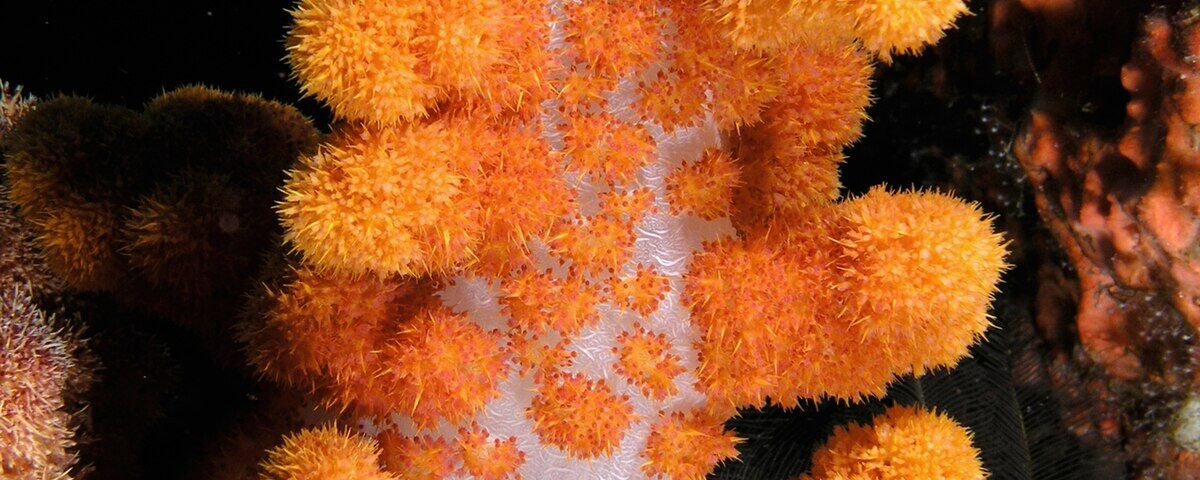
One honest caveat: the coral here isn't Komodo's best. It's healthy and functional, but it's not the spectacular soft coral of Crystal Rock or the pristine hard coral of Tatawa Besar. You come to Siaba Kecil for turtles, not coral. And on that metric, it delivers every time.
How to Get to Siaba Kecil
Siaba Kecil is close to Labuan Bajo, roughly 45 minutes to 1 hour by dive boat. It's one of the nearest park sites to town, which makes it a popular choice for half-day trips and afternoon dives. The short boat ride passes through sheltered water between islands.
Labuan Bajo is the departure point, reachable by direct flights from Bali (about 1 hour) or via Jakarta. The town has dozens of dive operators along the waterfront.
Park entrance fees apply. Some operators offer Siaba Kecil as part of a half-day package combined with nearby Siaba Besar, giving two gentle dives with turtle encounters on both sites. This makes an excellent first-day programme for divers arriving in Labuan Bajo.
Gear Recommendations
Standard tropical setup: 3mm wetsuit, mask, fins. Camera is highly recommended as the turtle encounters are reliable and photogenic. Wide-angle lens for turtle portraits in context, macro for the critter hunting on the reef. No reef hook needed. SMB for end-of-dive surfacing.
Recommended Dive Operators
Any reputable Labuan Bajo operator runs Siaba Kecil well, as the mild conditions reduce the need for advanced guide skills. Blue Marlin Komodo, Uber Scuba Komodo, and Dragon Dive Komodo all offer reliable access. For turtle photography, look for operators willing to extend dive times beyond the standard hour; the best turtle shots come from patience rather than swimming around searching.
Liveaboard Options
Siaba Kecil appears on many Komodo liveaboard itineraries as a check dive or relaxation dive between more demanding sites. It works well as a first dive on day one, allowing guides to assess group skills in forgiving conditions. The proximity to Labuan Bajo means some liveaboards visit it on the first or last day of the trip when transiting to or from the harbour.