Tatawa Kecil Dive Site
Komodo, Indonesia · Near Labuan Bajo
Overview
Tatawa Kecil sits between Tatawa Besar and the main channel running through Komodo National Park, which puts it right in the path of nutrient-laden currents that build one of the most colourful reef slopes in the region. The site wraps around the small island's southern and eastern flanks, a sloping reef that drops from snorkelling depth to about 25 metres before hitting sand.
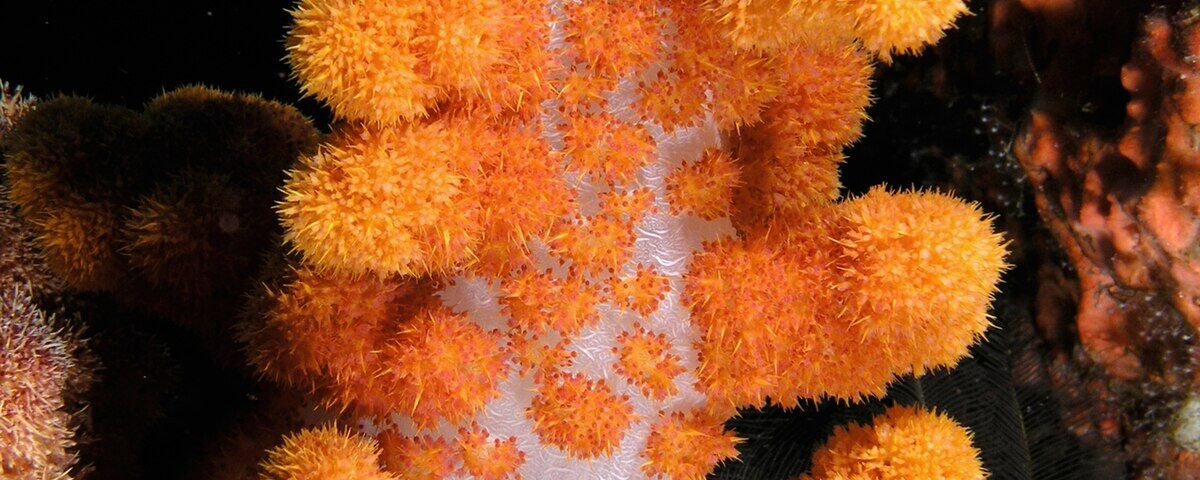
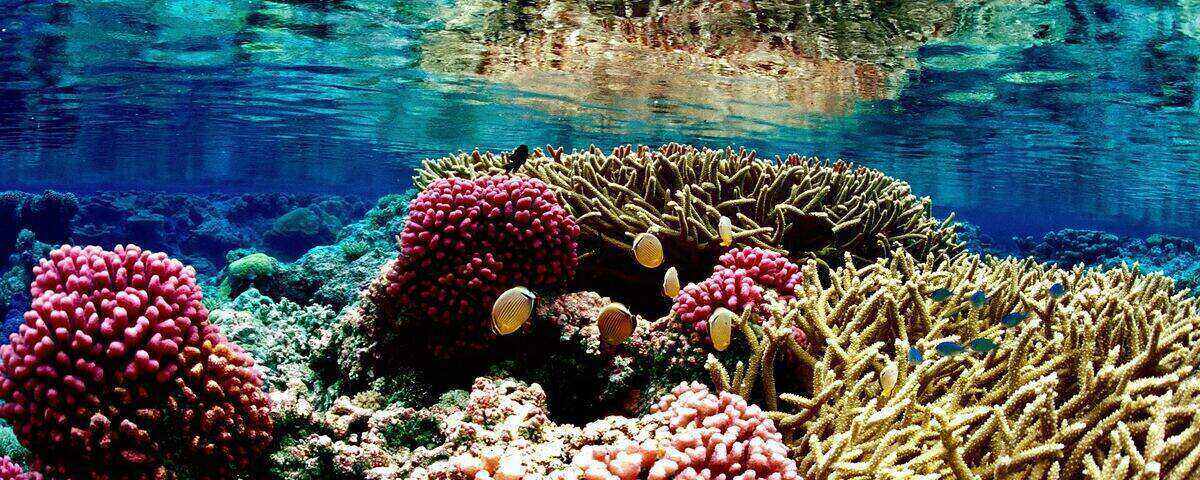
The reef here earns its reputation for one thing above all else: hard coral density. Table corals the size of dining tables overlap each other in the shallows, creating a layered habitat that shelters hundreds of species. Between 5 and 15 metres, the diversity of coral forms is staggering. Staghorn, brain, plate, and massive corals compete for space on every available surface, and the result is a reef that looks almost too healthy to be real.
Tatawa Kecil diving typically involves a drift along the reef slope, carried by the moderate current that flows around the island. The current is what feeds this reef, delivering the nutrients that sustain the coral growth and attracting the schools of fish that pack the mid-water. It's stronger than neighbouring Tatawa Besar but manageable for intermediate divers who are comfortable in moving water.
There is a catch. The current here can ramp up without much warning when the tide shifts. What starts as a comfortable drift can become a genuine workout if conditions change mid-dive. Your guide should be reading the water before you enter and have a backup plan if the flow intensifies. This isn't Castle Rock territory, but it demands more awareness than the gentler sites in the park.
The reef's health reflects its position in the park's current system. Nutrients arrive from the deep channels, feed the coral, attract the fish, and the whole ecosystem hums along with a vitality that degraded reefs simply cannot replicate. Scientists from the Nature Conservancy have consistently rated this stretch of reef among the healthiest in the park during monitoring surveys.
Marine Life at Tatawa Kecil
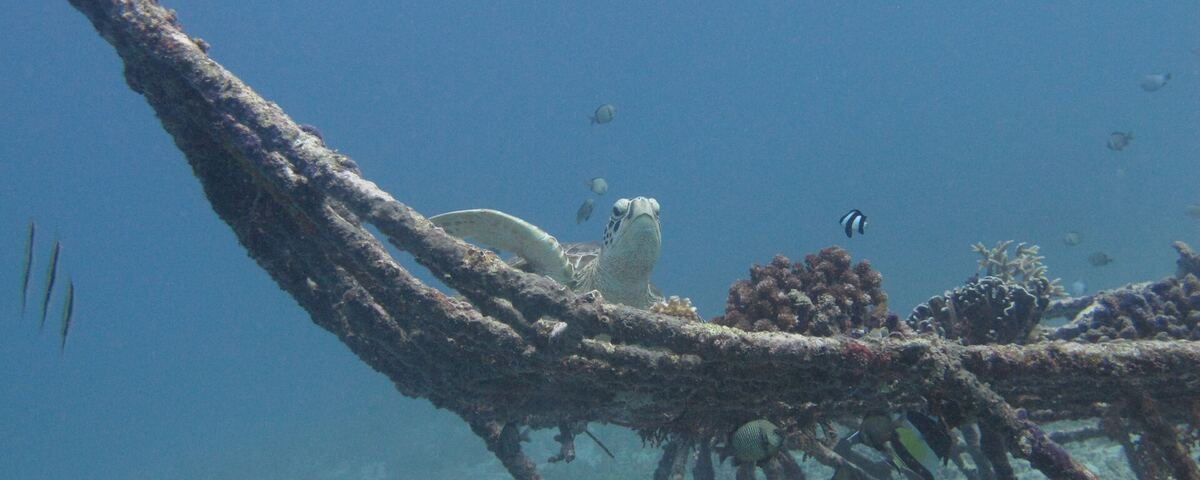
Green and hawksbill turtles are regular visitors, often spotted gliding over the coral slopes or resting on bommies between dives. The shallow reef sections are turtle territory, with several individuals often visible simultaneously during a single dive. They are remarkably tolerant of divers here, likely due to years of positive interactions within the protected park.
Schooling fish dominate the mid-water. Fusilier stream along the reef edge in thick ribbons, surgeonfish graze the coral surfaces in loose formations, and snapper stack up under overhangs. Giant trevally hunt the reef edges with predatory efficiency, and their attacks on the fusilier schools produce explosive scattering events that are dramatic even by Komodo standards.
The coral itself is a subject worth studying. Table corals at 5 to 10 metres span 2 to 3 metres across, their surfaces hosting communities of damselfish, chromis, and anthias. Staghorn coral thickets provide shelter for juvenile fish, and the spaces between coral heads are inhabited by moray eels, lionfish, and well-camouflaged scorpionfish.
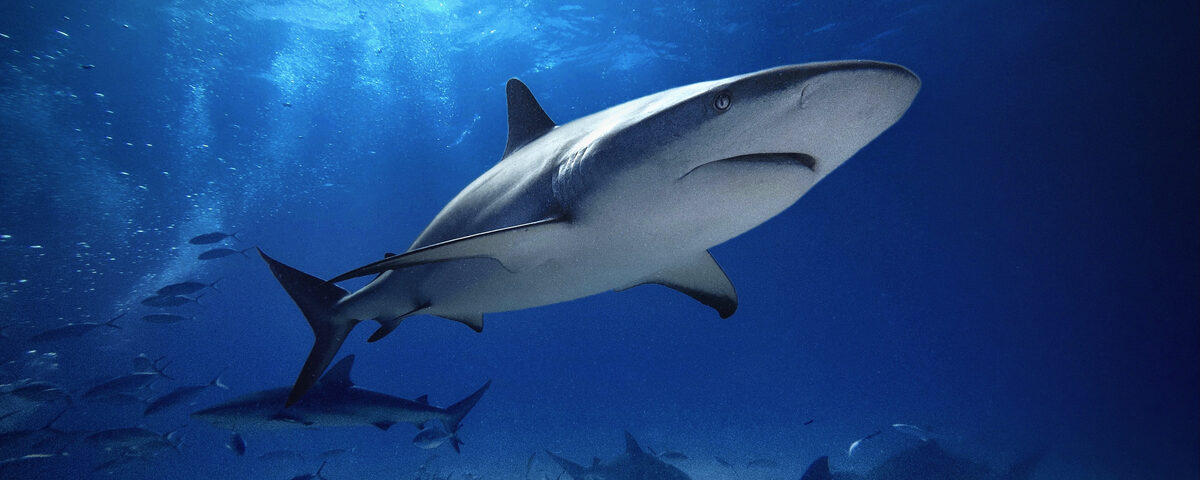
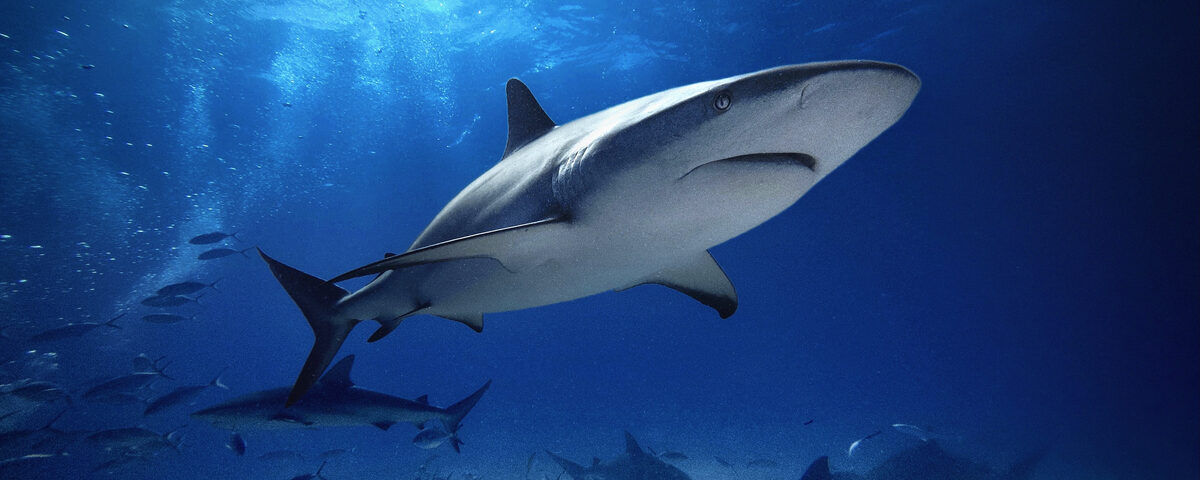
Black-tip and white-tip reef sharks patrol the deeper sections of the slope, typically between 15 and 25 metres. They're present on most dives but tend to keep their distance unless the current brings them close. Reef octopus hunt across the coral, changing colour and texture as they move between hiding spots. Cuttlefish pairs are common in the shallows, particularly during breeding season.
The sandy bottom at the base of the reef is worth scanning. Blue-spotted stingrays rest in the open, and garden eels sway in colonies at the current-exposed edges. Mantis shrimp peer from burrows, and the occasional crocodilefish lies flat and nearly invisible against the substrate.
During the cooler months, the plankton density around the island increases, sometimes attracting mobula rays that sweep past the reef edge in small groups. These sightings are seasonal and unpredictable, but they add a pelagic dimension to what is primarily a reef dive. The reef's position in the nutrient stream from the deep channels makes these encounters more likely here than at the more sheltered Komodo sites.
Dive Conditions
Current at Tatawa Kecil ranges from moderate to strong, with the typical dive involving a steady drift along the reef slope. The current follows the tidal cycle, and experienced guides time entries to catch the optimal flow: strong enough to concentrate fish activity but not so powerful that maintaining position becomes difficult.
When current is running hard, the exposed corners of the island can produce turbulent water that challenges even experienced divers. Stay close to the reef wall in these conditions, where the structure breaks the flow and creates pockets of calmer water. The sheltered side of the island offers gentler conditions if the exposed face is too demanding.
Visibility typically sits between 10 and 25 metres, influenced by plankton density and run-off. Dry season (April to November) consistently delivers the best clarity. Water temperature ranges from 25 to 29 degrees, with occasional thermoclines bringing cooler water up the slope from deeper channels.
Entry is by boat, with a giant stride or negative entry depending on current strength. The dive follows the current along the reef and ends with a safety stop in the shallows, where the coral garden at 3 to 5 metres is some of the prettiest on the site. The boat tracks your bubbles or SMB and picks you up at the drift's end.
This site is suitable for confident intermediate divers comfortable with drift diving in moderate current. Newly certified divers should build current experience at gentler sites like Tatawa Besar or Siaba Besar first.
Night diving at Tatawa Kecil is occasionally offered by operators who anchor nearby on multi-day trips. The reef transforms after dark with hunting octopus, sleeping parrotfish in their mucus cocoons, and the nocturnal crustacean community emerging from the coral crevices. The mild conditions that make the daytime dive accessible also make it a comfortable night dive location.
⚓ Divemaster Notes
Tatawa Kecil is the site I use to step divers up from Tatawa Besar. If they handled the gentle drift at Besar comfortably, Kecil gives them a taste of moderate current in a beautiful setting where there's always reef to shelter behind. It's a confidence builder before the big pinnacle sites.
The south side of the island produces the best coral on most conditions, but the east face gets more current and more fish. Ask your guide which side they're planning based on the day's tidal cycle. Both are excellent, just different.
One thing I always point out during the briefing: watch your depth on the slope. The coral is so captivating at every level that divers unconsciously drift deeper following it down. Set a max depth alarm on your computer before the dive and stick to it. The best coral is above 15 metres anyway, so going deep means missing the highlight.
The table corals in the shallows are fragile despite their size. I've seen divers fin-kick one and crack a plate that took decades to grow. Stay well above them and keep your fins up. These corals are the reef's crown jewels and they deserve respect.
For photographers, the combination of clear water, healthy coral, and drifting schools of fish makes Tatawa Kecil one of the best wide-angle reef photography sites in Komodo. Shoot upward through the coral with the fish silhouetted against the surface light. The shallows during safety stop are particularly photogenic.
How to Get to Tatawa Kecil
Tatawa Kecil is in the central section of Komodo National Park, roughly 1.5 to 2 hours by dive boat from Labuan Bajo. It sits close to Tatawa Besar, and most operators pair the two sites on the same day trip, using the larger island's gentler conditions for the first dive and Tatawa Kecil for the second.
Labuan Bajo serves as the base for all Komodo diving, with direct flights from Bali (about 1 hour) and connections from Jakarta. The town's waterfront is lined with dive operators offering day trips, multi-day packages, and liveaboard departures.
Park entrance fees apply (currently around IDR 350,000 for foreign visitors on weekdays). Most operators include this in their quoted price, but confirm before booking. The boat journey to Tatawa Kecil is through sheltered water between the islands, making it one of the calmer crossings in the park.
Gear Recommendations
Standard 3mm wetsuit for tropical comfort with thermocline protection. SMB essential for the drift dive ending. Wide-angle lens is the priority here for the reef scenes and schooling fish. Reef hook optional but useful if current intensifies mid-dive. Dive computer with depth alarm set to your planned max.
Recommended Dive Operators
Blue Marlin Komodo runs reliable day trips that typically include Tatawa Kecil alongside its bigger neighbour. Their guides know the current patterns around both islands well. Uber Scuba Komodo offers consistent service and carries backup equipment as standard. Dragon Dive Komodo keeps group sizes small, which makes a real difference on drift dives where spacing matters. Wunderpus Liveaboard includes both Tatawa sites on their standard itineraries, with the flexibility to choose the better-conditioned island on the day.
Liveaboard Options
Tatawa Kecil features on most Komodo liveaboard routes, typically paired with Tatawa Besar on an introductory or mid-trip dive day. The Wunderpus, Samambaia, and Damai all include it on standard itineraries. Liveaboard access allows the flexibility to dive whichever side of the island has better conditions on the day, an advantage over day-trip schedules.