Coral Basket Dive Site
Gili Islands, Indonesia · Near Gili Trawangan
Overview
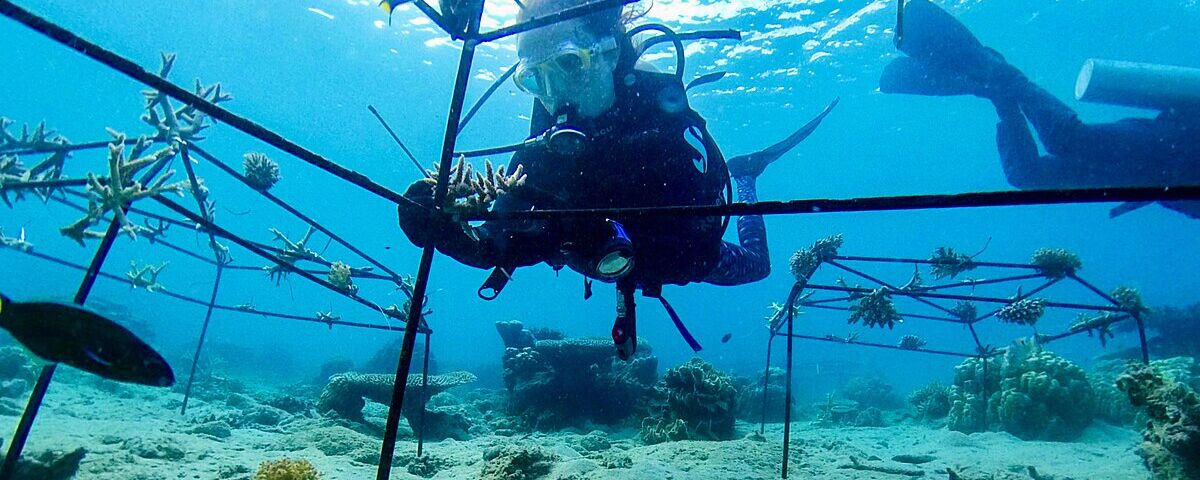
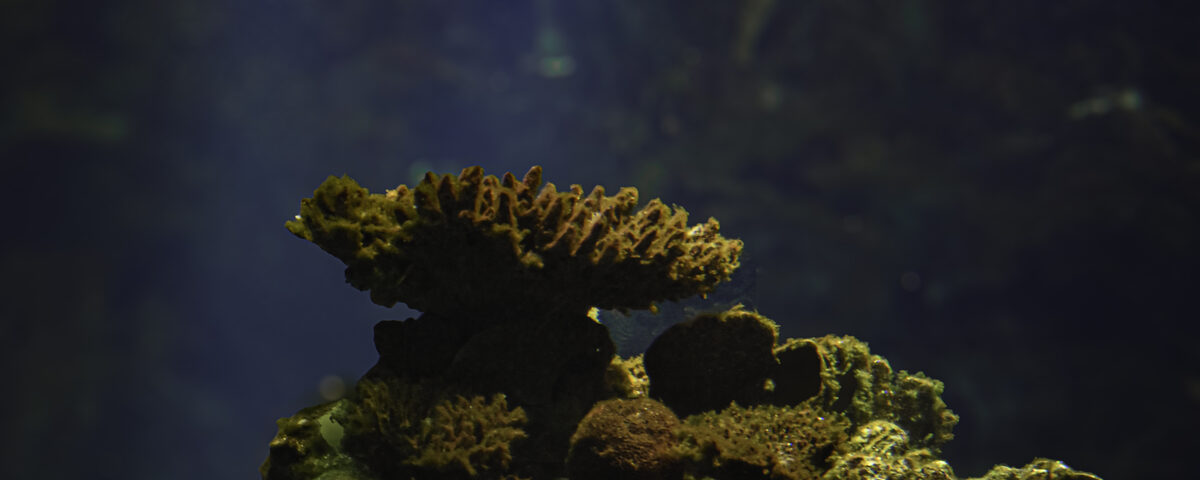
Coral Basket takes its name from the dense coral formations in the shallows that resemble woven baskets, creating intricate structures between 5 and 12 metres that are among the most photogenic in the Gili Islands. It's one of the most accessible sites around the islands and genuinely one of the prettiest, with the kind of shallow reef life that makes newer divers fall in love with diving and reminds experienced divers why they started.
Located on the north side of Gili Trawangan, the site offers a split personality depending on how deep you go. The shallow section is gentle, calm, and packed with marine life in comfortable conditions. Below 26 metres, the character changes entirely. Deep ridges of soft yellow coral line cliff edges dropping to 40 metres, with occasional sightings of eagle rays, reef sharks, and blue-spotted stingrays on the sandy bottom between the formations.
This depth range makes Coral Basket genuinely versatile in a way that few Gili sites match. Open Water students can have their first ocean dive in the comfortable shallows while advanced divers on the same boat explore the deeper ridges. The guide drops the beginners on the plateau, takes the experienced group deep for 15 minutes, then everyone reconvenes in the shallows for the second half of the dive.
The coral quality in the shallows is among the best around the islands, partly because the mild current means less surge damage and partly because the site doesn't get the heavy diver traffic that degrades reef condition at more popular sites. The basket formations are genuinely distinctive; you won't see this coral structure at many other dive sites worldwide.
Marine Life at Coral Basket
The shallow coral formations at 5 to 12 metres are the visual highlight. Schools of triggerfish, including the colourful yellowmargin triggerfish, move across the reef in feeding groups. Snapper congregate around the larger bommies in loose schools. Under rocky overhangs and ledges, juvenile white-tip reef sharks tuck themselves into crevices, sometimes barely the length of your forearm. Beautiful juvenile angelfish with their distinctive banded patterns (completely different from the adult colouring) shelter near the coral heads. Comet fish dart between the formations.
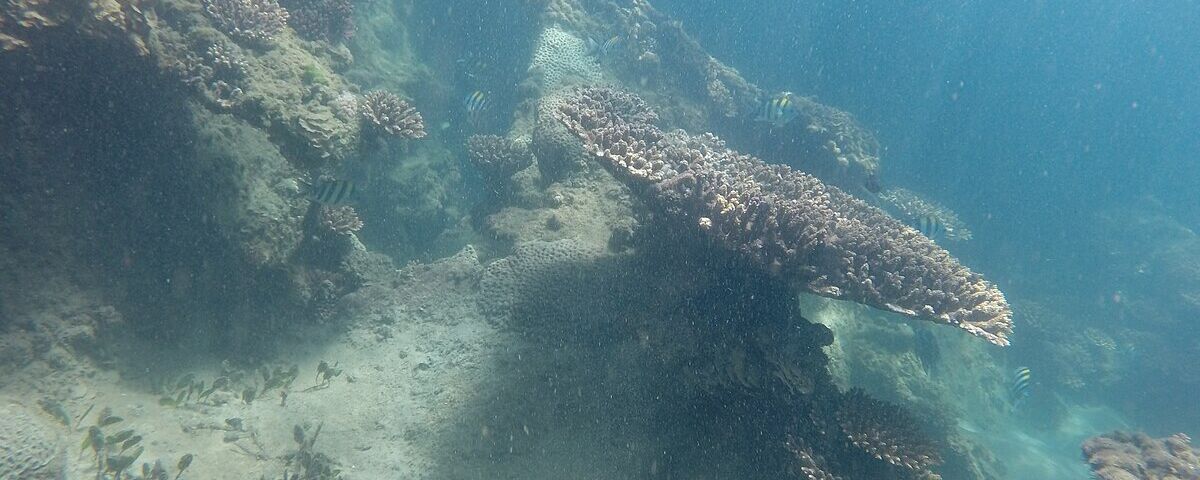
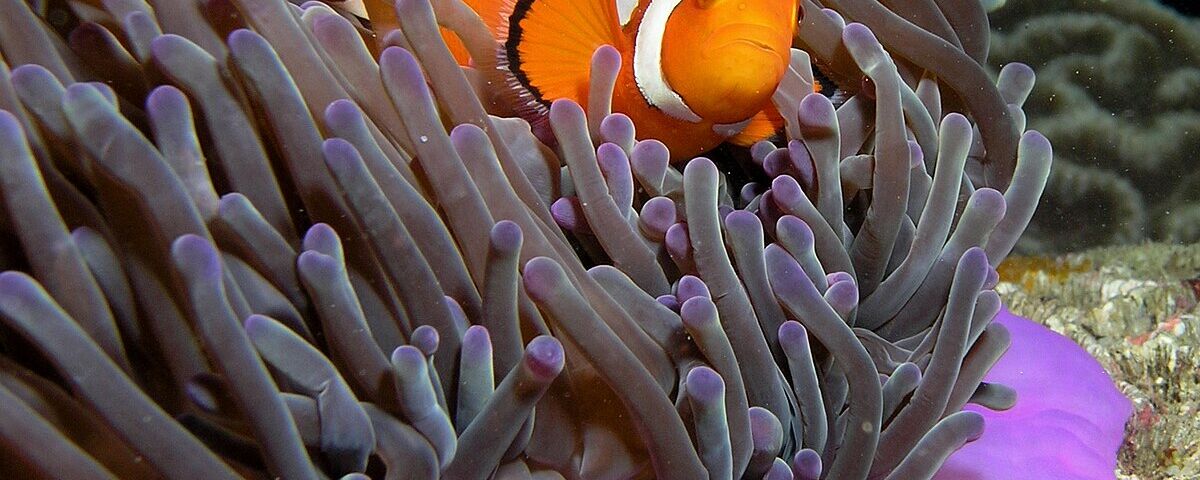
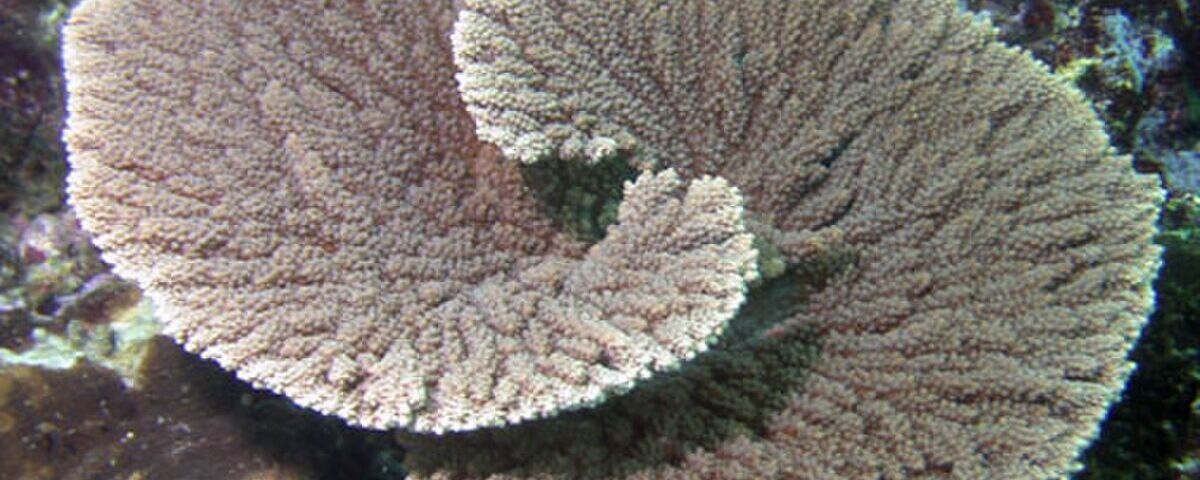
The coral diversity is outstanding in the shallows. Table corals spread like parasols, branching corals reach upward, and the distinctive basket-shaped formations create a complex habitat with overhangs, swimthroughs, and sheltered pockets that support everything from tiny gobies defending their patch to passing reef sharks on patrol. Anemonefish are abundant across the site, with at least four species represented in the various anemone colonies. Giant clams sit wedged into the reef, their mantles displaying iridescent patterns.
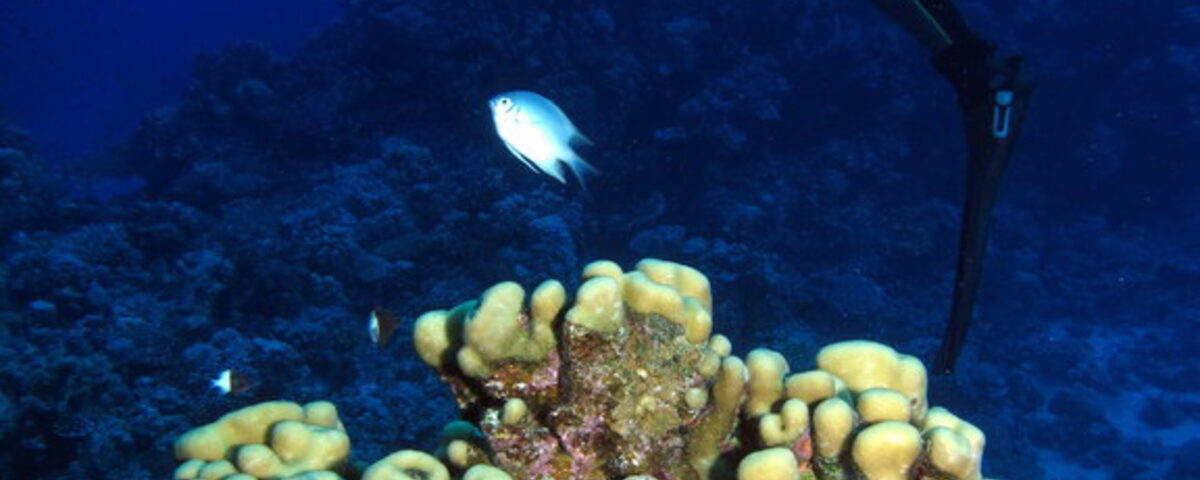
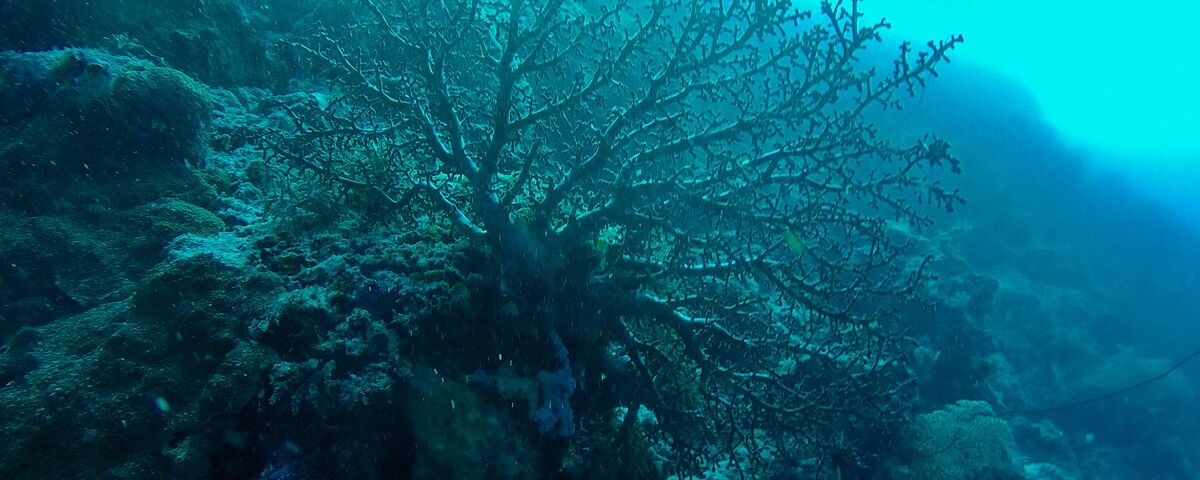
The deep section below 26 metres is a different world. Soft yellow coral gardens line the ridges, creating an almost monochromatic environment contrasting with the colour explosion in the shallows. The sandy bottom between ridges holds blue-spotted stingrays and the occasional larger ray. Eagle rays sometimes pass through the deeper water beyond the reef edge. Garden eels colonise the flat sandy areas between structures, their thin bodies swaying in unison. The contrast between the vibrant shallows and the atmospheric deep ridges makes this an interesting multi-depth dive for those with the certification and air supply to explore both.
Dive Conditions
Current at Coral Basket is typically mild, making it one of the most predictable Gili sites for conditions. You can plan a dive here with reasonable confidence that the conditions will cooperate. The shallow section is sheltered enough for comfortable diving in most weather, with the north coast position providing protection from the southwesterly swells that affect other sites.
Visibility usually ranges from 15 to 25 metres, with better clarity during the dry season (April to November). The sheltered nature of the site means sediment disturbance is less of an issue than at more exposed locations. Water temperature is a consistent 27 to 30 degrees year-round in the shallows, though the deeper sections can be a degree or two cooler.
Entry is by boat from Gili Trawangan, a short ride to the north side of the island. The gentle slope from 5 metres down makes this an ideal dive for buoyancy practice and for divers building confidence after certification. The deep section requires Advanced Open Water certification and carries the usual considerations for depth: limited bottom time, increased air consumption, and the potential for stronger current at depth. The transition from shallow reef to deep ridges is gradual, so there's no sudden drop-off to catch divers off guard.
Water temperature stays consistent at 27 to 30 degrees year-round, making exposure suit choice straightforward. A 3mm shorty or full suit works for the shallow section. If you plan to explore the deeper ridges below 25 metres, a full 3mm suit is more comfortable as the water can be a degree or two cooler at depth. The site's north-facing position means it catches morning sun well, with excellent natural light for the first dive of the day.
⚓ Divemaster Notes
Coral Basket is where I bring people for their first Gili dive when they're nervous, when they're freshly certified, or when they haven't dived in a couple of years and want to ease back in. The shallows are forgiving, the coral is beautiful, and there's enough to see at 8 metres to fill a 45-minute dive without needing to go deeper. Nobody leaves this site disappointed, even if they never go below 12 metres.
For experienced divers, the deep ridges are worth the visit but don't overlook the shallow section in the rush to get to depth. Some of the best juvenile angelfish and shark encounters I've had in the Gilis were in the 5 to 10 metre zone at Coral Basket. Baby white-tips hiding under ledges at 8 metres, barely 30 centimetres long, are about as charming as sharks get. They're completely harmless and photogenic if you can approach without startling them.
The coral here is in good condition partly because the mild current means less mechanical damage and partly because the site receives less traffic than Shark Point or Turtle Heaven. Respect that. This is one of the healthier shallow reef sections around the islands, and it deserves careful diving from everyone who visits. Maintain good buoyancy, secure your equipment so nothing dangles and catches on the coral, and give the basket formations adequate space. One careless fin kick can break coral that took years to grow.
Photographers: the shallow light here is excellent, especially in the morning when the sun is still at an angle and creates shafts through the water. The basket coral formations photograph beautifully with natural light at 6 to 8 metres. No strobe needed if the visibility cooperates. The formations are distinctive enough to make images from this site immediately identifiable.
The deep ridges below 26 metres are worth exploring if you're Advanced certified and have the air to get down and back comfortably. The soft yellow coral at depth creates a completely different atmosphere from the colourful shallows. It's quieter down there, with less fish activity but more atmospheric diving. The ridge edges sometimes produce surprise encounters with eagle rays cruising past in the open water. These sightings are uncommon enough to feel special when they happen.
I recommend Coral Basket for second dives after deep first dives. Your surface interval gas exchange benefits from a shallower max depth, and the shallow section has enough life to keep you engaged for 45 minutes without going below 12 metres.
How to Get to Coral Basket
Gili Trawangan is the access island for Coral Basket. Fast boats from Bali run daily (2 to 2.5 hours from Padang Bai or Serangan), and public boats from Bangsal on Lombok take about 20 minutes. Lombok International Airport is the nearest major airport, with road transfers to Bangsal taking about 2 hours.
Coral Basket is on Gili Trawangan's north side, a quick boat ride from the harbour. Most operators include it in their regular site rotation, and it's a common choice for training dives, discovery dives, and first ocean experiences for newly certified divers.
The site works well as part of a multi-dive day, paired with Halik Reef or Shark Point for a morning of diving along the north coast. The contrast between the sheltered Coral Basket and the current-exposed Halik makes for an interesting combination that showcases two different aspects of Gili diving.
Gear Recommendations
Standard tropical gear. Camera with macro or mid-range lens works best in the shallows where the subjects are relatively close.
Nitrox useful if you plan to combine shallow and deep sections in a single dive, as the deep section at 30-plus metres benefits from extended NDL. No special gear required for the shallow dive; this is a straightforward, easy immersion that works with minimal equipment.
Recommended Dive Operators
Blue Marlin Dive uses Coral Basket regularly for both training and fun dives, and their guides know the coral formations well enough to navigate efficiently to the best spots. Trawangan Dive is a good choice for divers wanting to explore both the shallow and deep sections in a guided format, as their guides manage multi-level groups well.
Divine Divers keeps groups small, which is particularly appreciated in the more delicate shallow coral zones where a large group can cause damage through sheer numbers. Manta Dive on Gili Trawangan also schedules regular visits and pairs the site with adjacent north coast dives.
Liveaboard Options
Not a liveaboard destination. Day trip diving from Gili Trawangan is the standard and only access method.
The site's versatility makes it a useful scheduling option for operators managing groups with mixed ability levels.