Good Heart Dive Site
Gili Islands, Indonesia · Near Gili Trawangan
Overview
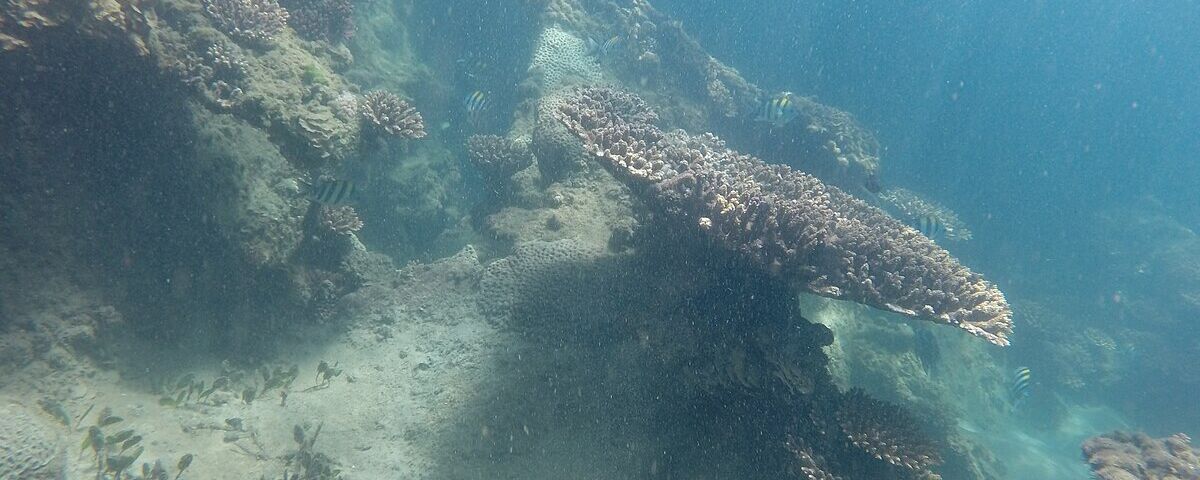
Good Heart is the house reef for several Gili Trawangan dive operators, and house reefs in the tropics don't get much better than this. A coral slope drops into the channel between Gili Trawangan and Gili Meno, offering easy shore entry and a surprising density of marine life for a site that most passing divers never hear about because the bigger names dominate the conversation.
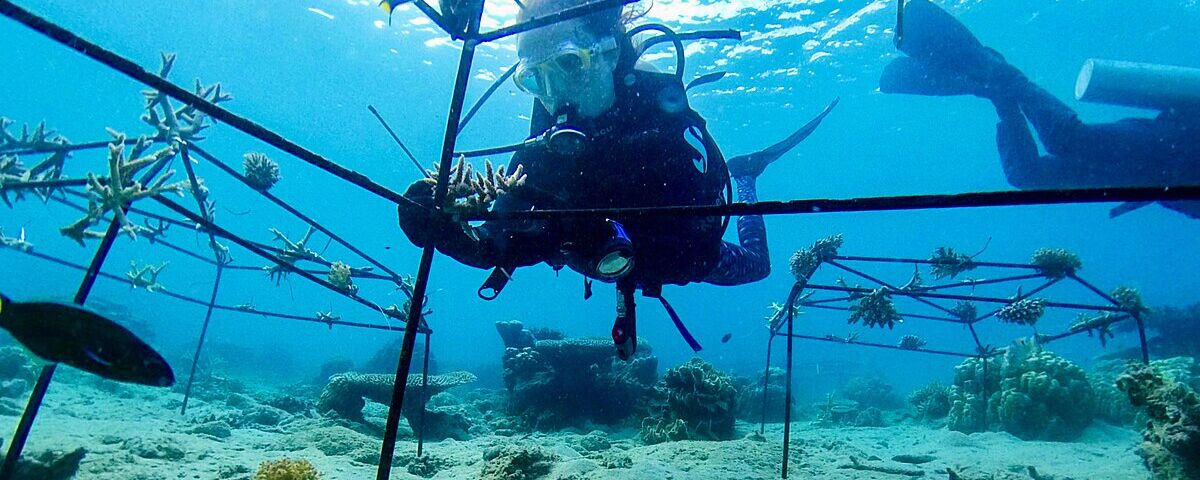
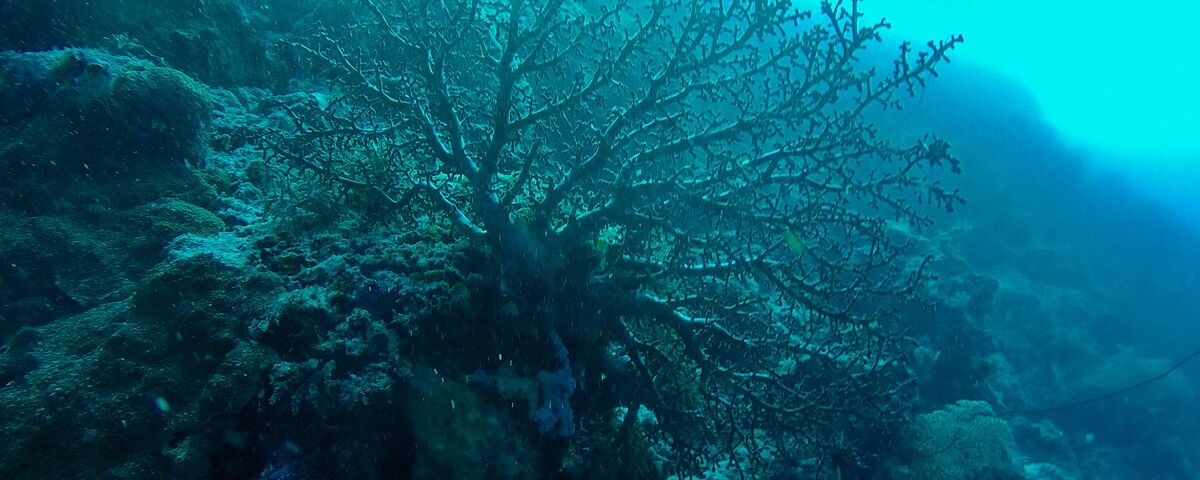
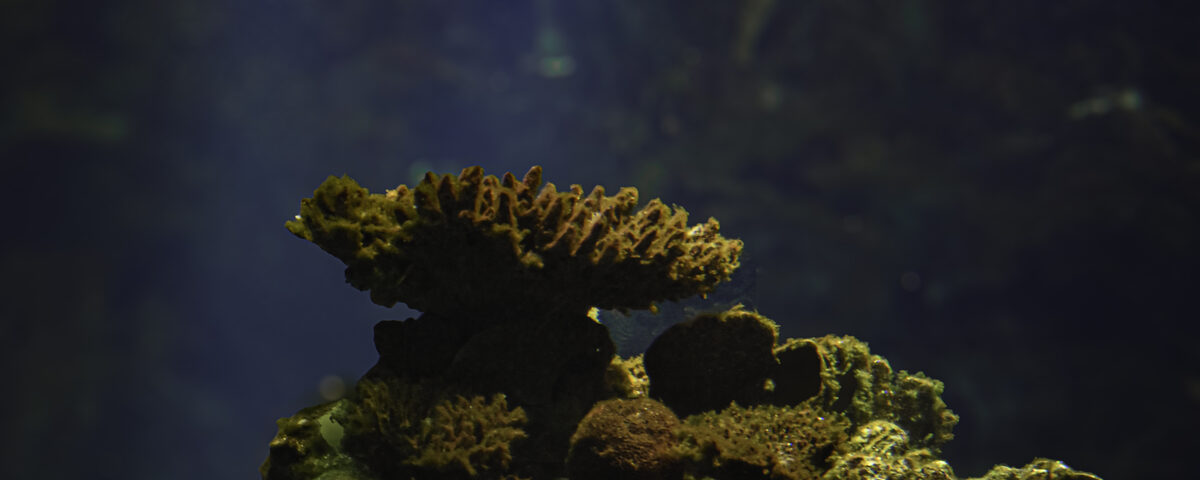
The reef includes Biorock structures, part of the Gili Islands' coral restoration programme that has been running for over two decades. These metal frames carry a low electrical charge that accelerates coral growth, and the established structures here are now covered in healthy coral colonies teeming with fish. The combination of natural reef and artificial restoration creates varied habitat that supports everything from macro critters hiding in the rubble to reef sharks patrolling the deeper slope.
What makes Good Heart special is accessibility and versatility. You can dive it from the shore, at any time of day, in almost any conditions. No boat required, no scheduling, no waiting for a group to assemble. Walk off the beach and you're diving. Night dives here are particularly outstanding, with octopus hunting across the reef, dwarf cuttlefish hovering over the sand in torch beams, and bobtail squid emerging after dark in numbers that surprise even regular visitors.
For divers staying on Gili Trawangan who want a quick, uncrowded dive without the logistics of a boat trip, Good Heart is the answer. It's also the perfect site for an afternoon dive when the morning boat trips are done and you still have gas in your tank and daylight to burn.
The reef extends further than most first-time visitors expect. Beyond the house reef section directly off the beach, the slope continues into the channel with increasingly interesting topography. Experienced divers who venture further from shore along the slope find less-visited coral formations with their own resident species. The deeper channel section picks up mild current that brings nutrients and concentrates fish life along the slope edge.
Marine Life at Good Heart
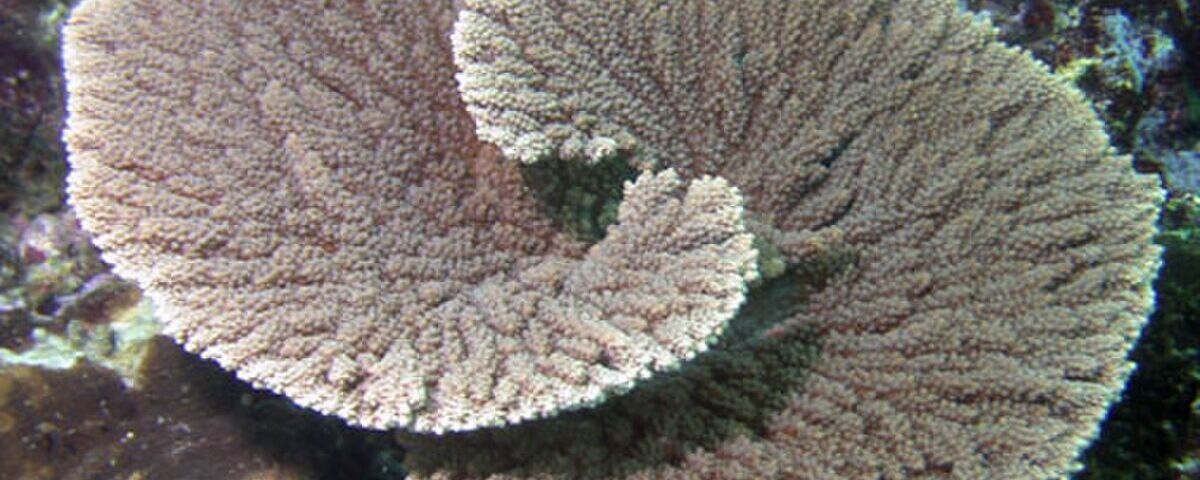
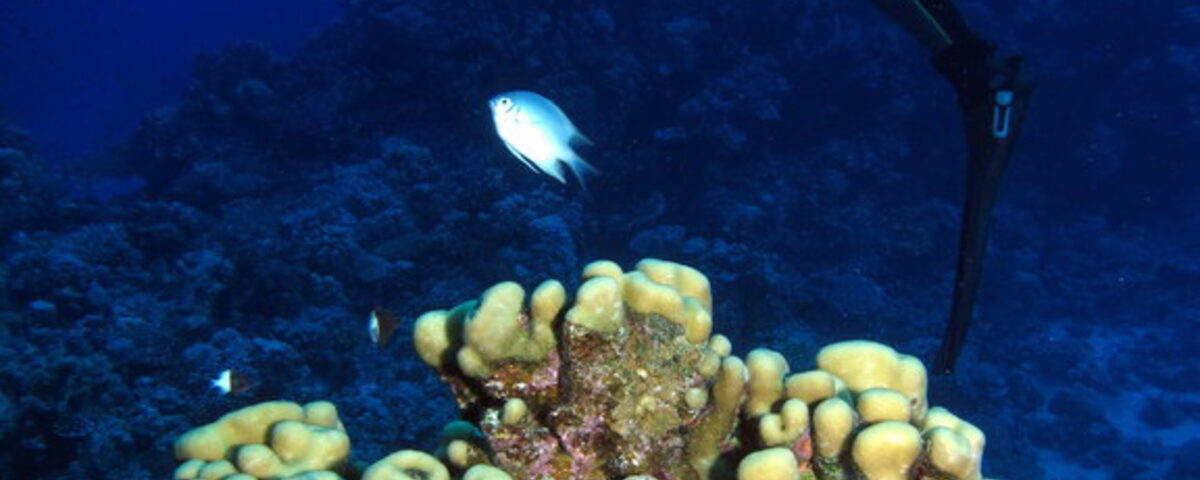
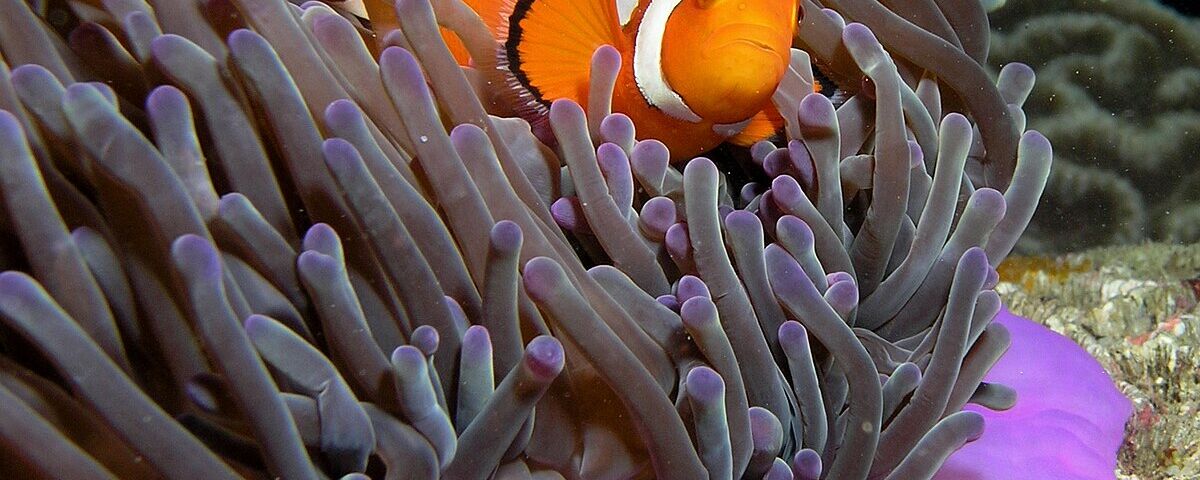
The natural reef hosts frogfish in multiple species depending on the season, with painted frogfish and warty frogfish both recorded here. Green sea turtles cruise the slope and rest on coral bommies. Reef sharks patrol the deeper section where the slope drops towards the channel. Moray eels peer from crevices in the coral, including both giant morays and the smaller, more colourful ribbon eels. The Biorock structures have developed their own ecosystem, with damselfish defending territories on the frames, juvenile reef fish sheltering in the growing coral, and cleaning stations operating on the older structures.
Macro life is genuinely good here and often overlooked because everyone assumes the house reef can't compete with the offshore sites. Nudibranchs of various species crawl across the coral surfaces, including some unusual species that aren't common on the more exposed reefs. Pipefish hide in the rubble zones between coral patches. Shrimp of various species occupy cleaning stations on the bommies, where they service passing fish in a relationship that never gets boring to watch. Ribbon eels occasionally appear in the sandy patches, though they move around frequently.
Night diving transforms the site completely. Octopus are the stars of the after-dark show, hunting across the reef with their colour-changing displays visible in torch beams as they pulse through patterns of brown, red, and white. Dwarf cuttlefish hover motionless in the water column, their tiny bodies barely 5 centimetres long, mesmerised by the torch light. Bobtail squid emerge from their daytime hiding spots in the sand, burying and unburying themselves in the sediment. Spanish dancer nudibranchs occasionally appear on night dives, their red bodies swimming with undulating motions that earned them the name. Sleeping turtles are a common and endearing sight, tucked into the reef with their flippers folded, completely oblivious to divers passing by.
Dive Conditions
Good Heart is one of the most sheltered sites in the Gili Islands. The channel between Gili Trawangan and Gili Meno is calmer than the exposed northern or western coasts, and current is typically mild or negligible. This makes it diveable in almost any weather and any season, which is unusual for the Gilis where current and swell cancel dives at other sites regularly.
Shore entry is available from Gili Trawangan's east coast, walking in from the beach over sand and rubble. The entry is gentle and gradual, nothing like the pebble entries at Tulamben. Some operators also access it by boat for a short ride from the harbour, which saves the walk but adds scheduling overhead. Maximum depth is around 25 metres on the slope, but most of the interesting life sits between 5 and 15 metres, making it a long-dive site where 50 to 60 minute immersions are normal.
Visibility is usually 10 to 20 metres, occasionally better when conditions are clear across the channel. The sheltered position means less surge than the exposed northern sites, and night dive conditions are comfortable with calm surface waters for entry and exit. The gentle slope means you can control your depth easily throughout the dive.
Water temperature is a consistent 27 to 30 degrees throughout the year, and the sheltered position means thermoclines are rare here compared to the exposed western and northern sites. This consistency makes Good Heart particularly pleasant for night diving, as the warm, calm water removes the discomfort that can make night dives at more exposed sites unpleasant.
⚓ Divemaster Notes
Good Heart is the dive I do on my day off. No boat, no schedule, no briefing, no group management. Just walk in from the beach with my camera and spend an hour on the reef at my own pace. The macro life here is seriously underappreciated because everyone rushes to the bigger-name sites and assumes the house reef is a training pool.
The night dive at Good Heart is genuinely one of the best in the Gilis, and I say that having dived every night dive site in the area. The octopus hunting behaviour alone is worth the dive: watching a reef octopus stalk prey, change colour to match its surroundings, and then pounce with lightning speed is more exciting than most daytime shark encounters. Bring a good torch and a backup, stay on the reef between 5 and 12 metres, and let the critters come to you rather than chasing them.
The Biorock structures are worth examining closely rather than swimming past on the way to 'the real reef.' The older ones have developed into genuine mini-ecosystems with their own resident species, territorial damselfish, and cleaning stations. You can see the difference between natural reef and assisted growth side by side, and it's a fascinating comparison. The coral restoration effort in the Gilis is one of the most established in Southeast Asia, and Good Heart is where you can see the results up close after 20 years of work.
For photographers, the macro opportunities here rival Hans Reef on Gili Air. Frogfish are present but they move around week to week, so ask the guides at whichever operator you're using where the current residents are sitting. They keep track because their regulars ask. The night dive photography here is outstanding if you have a macro setup with a decent strobe.
How to Get to Good Heart
Good Heart is on Gili Trawangan's east coast, accessible on foot from the beach. No boat required, no transfer fee, no logistics to coordinate. It's walking distance from most accommodation on the island, which makes it the most convenient dive site in the entire Gili Islands.
Gili Trawangan itself is reached by fast boat from Bali (2 to 2.5 hours from Padang Bai or Serangan) or public boat from Bangsal on Lombok (20 minutes). Lombok International Airport is the closest major airport, with road transfer to Bangsal taking roughly 2 hours.
The shore entry makes this the most accessible dive site in the Gilis for independent diving, though most divers here dive with guides from the adjacent dive centres who know where the current critter residents are hiding. Several operators have their shops directly on the beach above the entry point.
Gear Recommendations
Standard tropical gear. Torch essential for night dives and useful during the day for checking crevices and revealing hidden critters.
Macro lens is the better camera choice here over wide-angle, as the subjects are generally small and close. No special equipment needed; the easy conditions and shore entry make this a minimal-logistics dive.
Backup torch for night dives is not optional.
Recommended Dive Operators
Gili Divers uses Good Heart as their house reef and knows every square metre of it, including current frogfish locations, turtle resting spots, and the best approach routes for night dive critters. Blue Marlin Dive runs night dives here regularly, and their night dive guides carry identification slates for critter identification.
Trawangan Dive includes it for beginner training and casual afternoon dives. Any operator on the east side of Gili Trawangan can access this site easily, but the ones whose shops sit directly above the reef have the advantage of diving it daily and tracking the resident animal movements.
Liveaboard Options
Not a liveaboard destination. Shore diving from Gili Trawangan or short boat trip from local operators.
The shore-access format is actually the optimal way to dive this site, as it allows you to choose your own timing and dive duration without fitting into a group schedule.