Halik Reef Dive Site
Gili Islands, Indonesia · Near Gili Trawangan
Overview
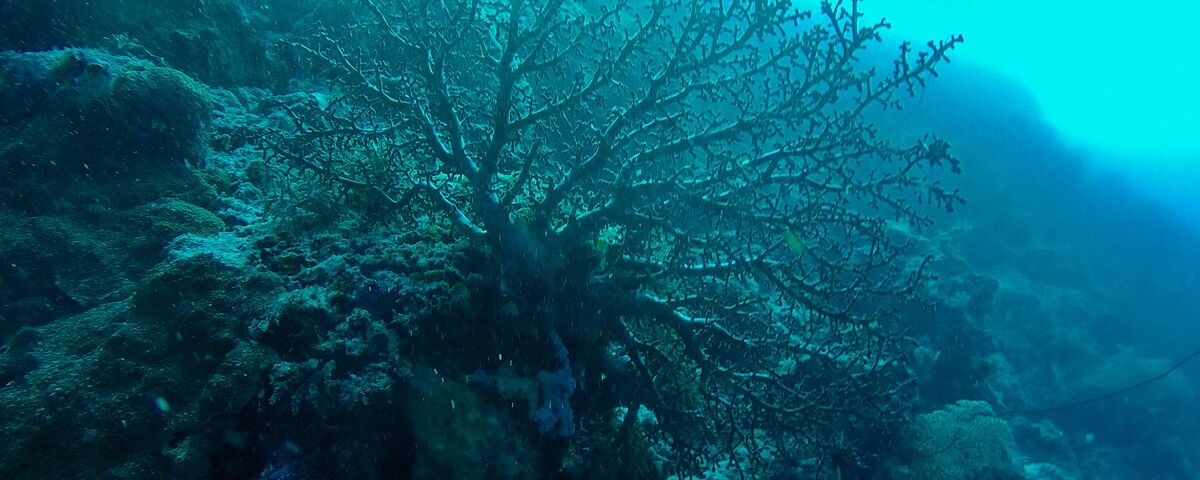
Halik Reef is where the drift diving in the Gili Islands is at its best. Located on the north side of Gili Trawangan, the site catches the tidal currents flowing through the Lombok Strait, turning what might otherwise be a standard reef dive into something genuinely exciting. When the current runs, you fly along coral ridges covered in barrel sponges and gorgonian fans, barely needing to kick.
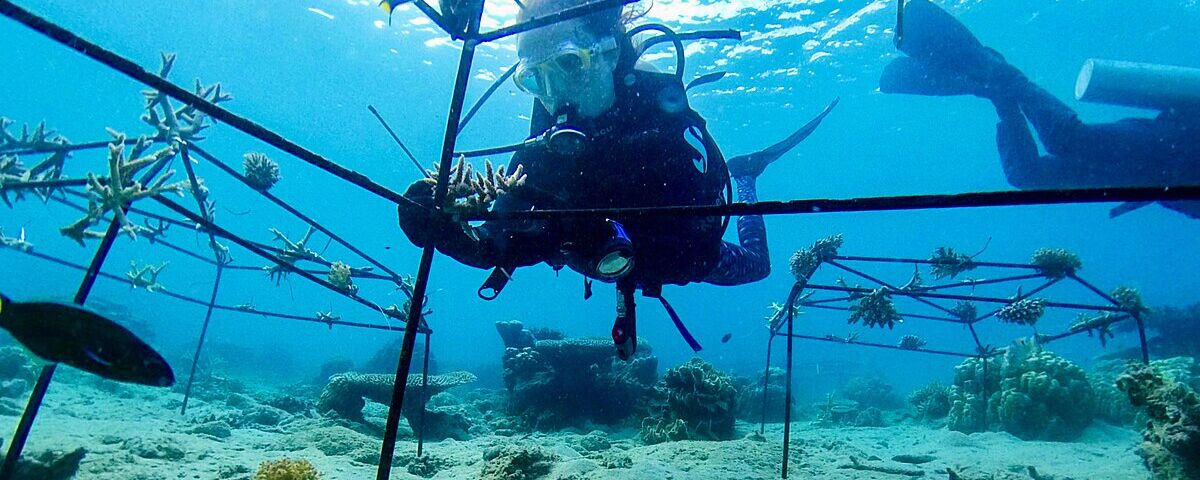
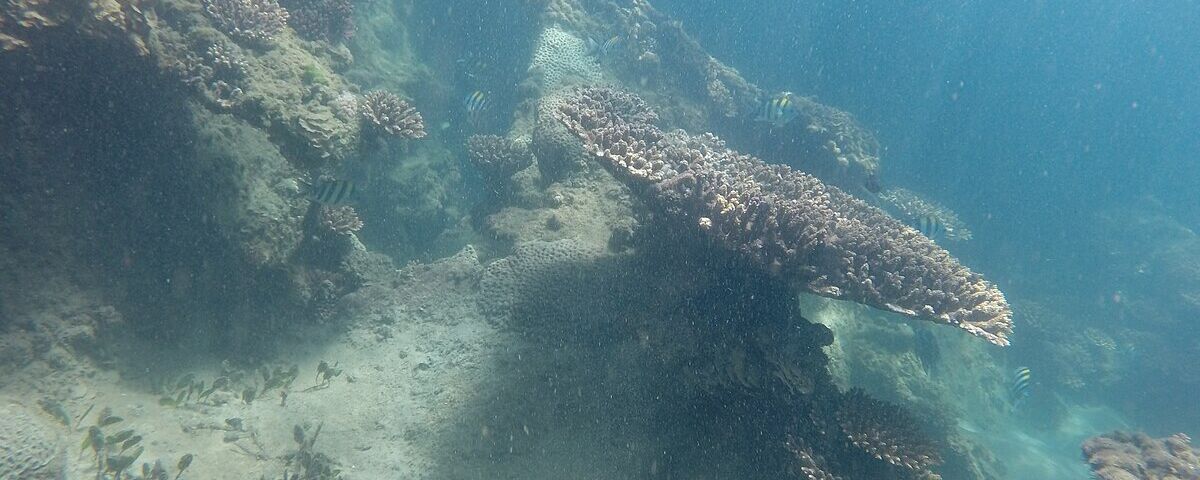
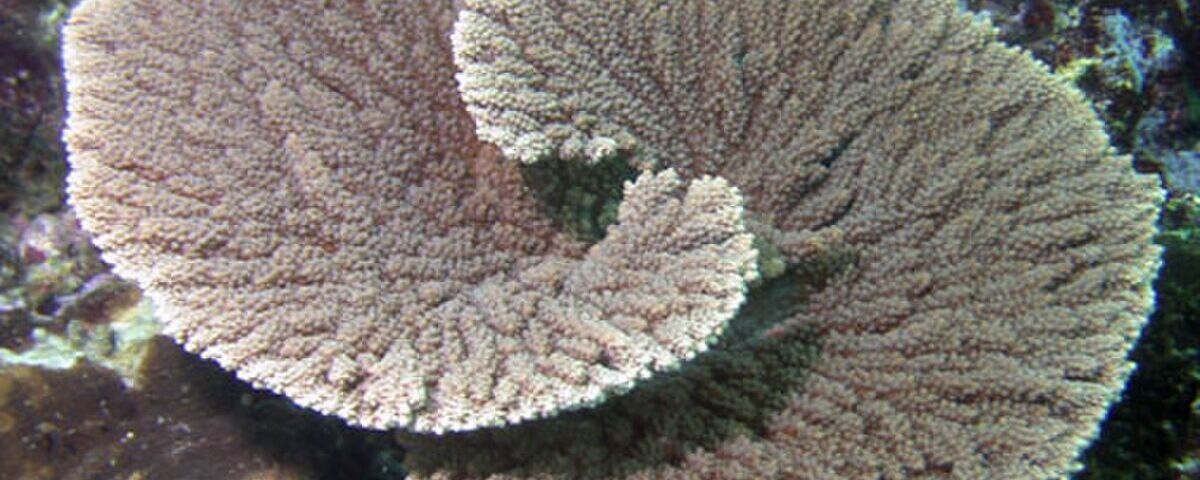
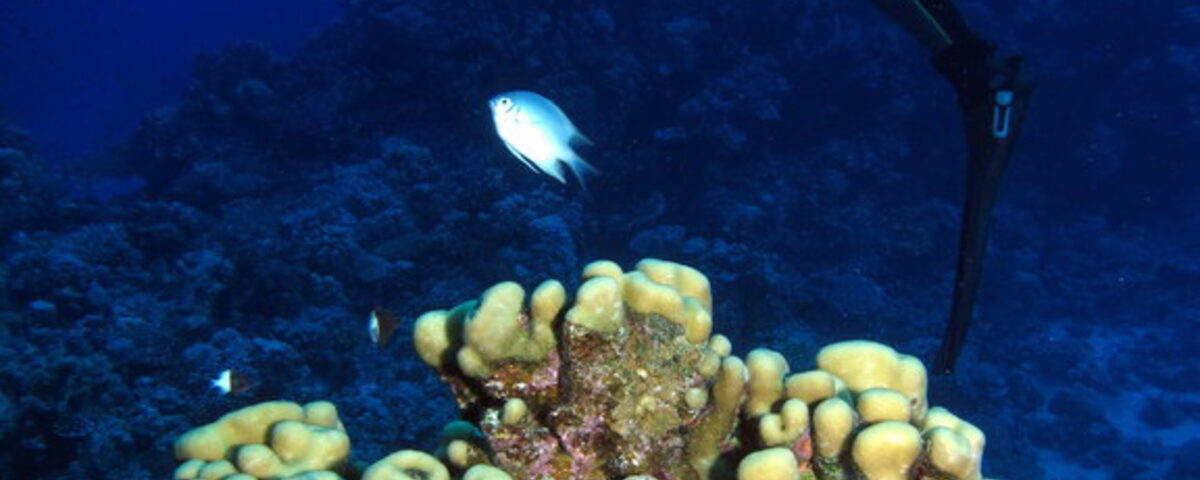
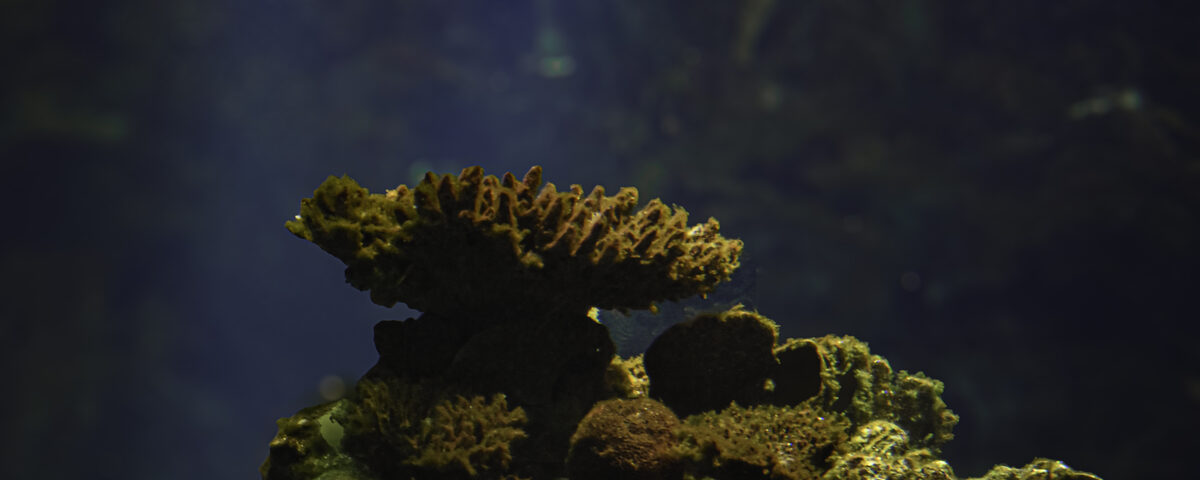
The reef structure starts at about 6 metres with large coral bommies and antler coral formations that provide shelter for resident turtles and reef fish. A small wall drops to 12 metres, and below that the site slopes away into a series of deep canyons and ridges reaching 40 metres. The shallow section is where the turtles congregate, often resting on bommies or feeding on algae completely unfazed by divers drifting past. The deep section is where the bigger pelagic visitors appear, drawn by the nutrient-rich current.
Halik doesn't get the same name recognition as Shark Point, but experienced divers in the Gilis often prefer it. The current brings nutrients, the nutrients bring fish, and the fish bring predators. On a running tide, this site feels electric with activity. On a slack tide, it's still a beautiful reef dive with excellent coral coverage. The versatility is part of what makes it special.
The name 'Halik' comes from the Indonesian word for 'turn' or 'return,' likely referring to the tidal current patterns that shift direction at this point along the coast. Understanding these patterns is the key to timing your dive correctly.
Marine Life at Halik Reef
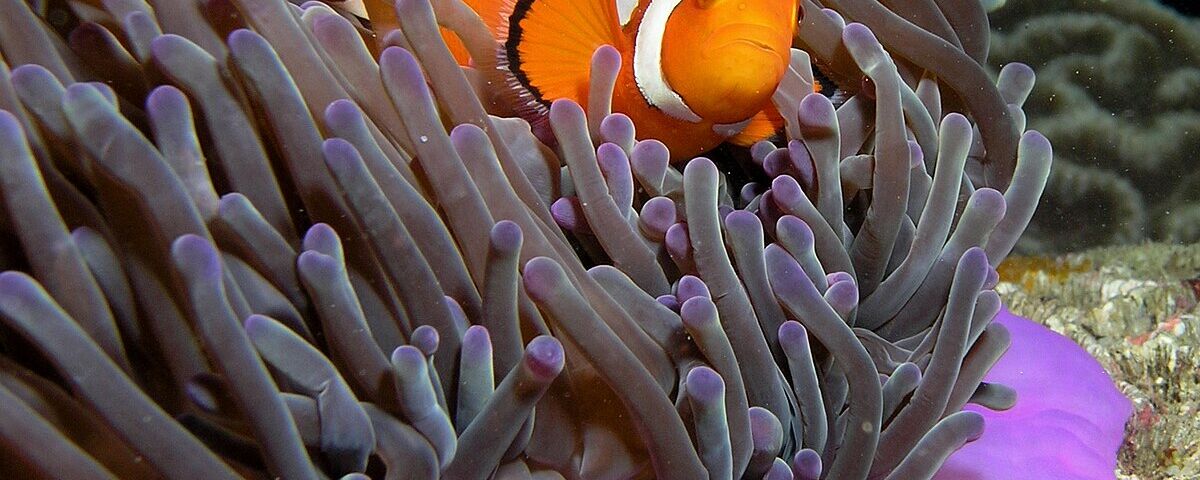
The shallow bommies at 6 to 12 metres are home to green sea turtles in good numbers, reef octopus changing colour as they hunt across the coral, cuttlefish hovering with that peculiar pulsating pattern, and moray eels coiled into crevices with just their heads visible. Anemonefish colonies are scattered across the plateau, and the anemones here are some of the largest around the islands. During full moon periods, schools of bumphead parrotfish move through the shallows, which is a sight worth timing your trip around if you can. These fish are massive, often exceeding a metre in length, and the sound of them crunching coral with their fused teeth is audible underwater.
Below the wall, the deeper ridges host barrel sponges the size of bathtubs and gorgonian sea fans that spread two metres across. White-tip and black-tip reef sharks patrol the canyons, sometimes resting on the sand between ridges. Blue-spotted stingrays rest on the sandy bottom between ridges, occasionally startling divers who drift too close. Ribbon eels, with their vivid blue and yellow colouring, occasionally appear in the sand at the base of the bommies, though they're camera-shy and tend to retract the moment a housing gets close.
When current is flowing, the reef transforms. Schools of snapper, fusilier, and surgeonfish stream past in dense formations that catch the light. Giant trevally hunt the edges with explosive bursts of speed that scatter the smaller fish. Eagle rays have been spotted gliding through the deeper water, though sightings are irregular, perhaps once every ten dives on average. The current-facing sides of the coral structures attract the most life, so position yourself on the upstream edge and let the show come to you. This is one of those sites where the difference between a good dive and an exceptional one depends entirely on what the tide is doing.
Dive Conditions
Current is the defining characteristic of Halik Reef. The site sits in the path of tidal flow through the Lombok Strait, and conditions can shift from slack to strong within a single dive. Most operators time their visits to catch moderate current for a comfortable drift, checking tide charts and local knowledge before committing. Getting the timing wrong means either a still dive (pleasant but without the energy) or a ride that requires holding onto the reef to avoid being swept off the site.
Visibility is typically 15 to 25 metres, occasionally better. The current brings plankton, which can reduce visibility but also makes the marine life more active and feeds the entire food chain from corals up to predators. Entry is by boat from Gili Trawangan's harbour, about 10 minutes ride. Giant stride entry, drift with the current, and the boat follows your surface markers to pick you up at the end. This is a proper drift dive: you go where the water takes you and the boat comes to you.
The shallow section (6 to 12 metres) is suitable for Open Water divers in mild current, but only when the tide is cooperating. Your guide should be making that assessment, not you. The deep canyons below 24 metres are advanced territory, especially when current is running, as the combination of depth and current increases air consumption dramatically. Conditions are best from April to November when seas are calmer, though the site is diveable year-round for experienced divers. Surge can affect the shallows during westerly swells.
⚓ Divemaster Notes
Halik is my favourite drift dive in the Gilis, and I'll tell you exactly why: the current makes the reef feel alive in a way that static sites can't match. The key is timing. Ask your operator when the tide turns and try to hit the site about an hour into the incoming or outgoing flow. That's the sweet spot where current is moderate enough to be fun without being unmanageable.
Stay on the reef edge facing into the current. That's where the action concentrates. The lee side of the bommies will be sheltered and calm, but also quieter in terms of marine life. The fish aggregate on the upstream edges where the current delivers food, and the predators follow. Let the current carry you along the ridge line and keep your eyes on the blue for trevally, rays, and the occasional shark cruising past.
If you're certified for it, the deep canyons below 24 metres are worth exploring when current is mild. But do not go deep when the current is running hard. You'll burn through your air fighting to maintain position and the safety risk simply isn't worth it. The shallow section has excellent turtle encounters and healthy coral that is perfectly satisfying on its own. Many of my best dives at Halik have been entirely in the 6 to 14 metre range.
Full moon bumphead parrotfish sightings are a genuine highlight that most visitors miss because they don't know to ask for it. If you're visiting during full moon and conditions are right, tell your guide specifically that you want to time a Halik dive for the bumpheads. These fish are massive, travelling in schools of a dozen or more, and the sound of them crunching coral carries through the water. It's one of those diving moments that stays with you long after the holiday ends.
How to Get to Halik Reef
Gili Trawangan is the closest island, reached by fast boat from Bali (2 to 2.5 hours from Padang Bai or Serangan) or public boat from Bangsal harbour on Lombok (20 minutes). Lombok International Airport is the nearest major airport, roughly 2 hours by road to the Bangsal departure point. Some operators arrange direct minibus transfers from the airport to Bangsal, which simplifies the logistics considerably.
Halik Reef is a short boat ride from Gili Trawangan's east coast harbour, typically under 10 minutes to the north side of the island. Every dive operator on Gili Trawangan runs this site regularly, often pairing it with Shark Point or Deep Turbo for a multi-dive morning. The boat ride gives you time to brief on current conditions and plan the dive profile.
Accommodation on Gili Trawangan suits all budgets, from basic beachside bungalows to comfortable resort-style hotels. The island is small enough that every hotel is within walking or cycling distance of the dive centres. Most visitors stay on Gili Trawangan for the diving and the nightlife, though Gili Air offers a quieter alternative with easy boat access to the same sites.
Gear Recommendations
Standard tropical gear with a reef hook for stronger current days, though check with your operator whether they permit them. SMB is mandatory for drift dives; your boat needs to follow you, and losing visual contact with no surface marker can lead to long surface swims or worse.
Wide-angle lens for photography, particularly to capture the schooling fish and drift dive atmosphere. Nitrox worthwhile if you plan deep canyon exploration, extending your safe bottom time meaningfully.
Gloves are not permitted in the Gili Islands marine park, as they encourage reef touching.
Recommended Dive Operators
Trawangan Dive runs excellent drift dives at Halik and times their visits precisely with the tides, checking conditions carefully before committing. Their guides are experienced enough to read the current mid-dive and adjust the plan accordingly. Blue Marlin Dive has the most guides who know this site intimately, having run thousands of dives here over more than a decade. They offer Nitrox, which extends bottom time for the deeper canyon exploration.
Manta Dive pairs Halik with adjacent sites for efficient multi-dive trips and their boat captains are skilled at following drift dive groups. For smaller groups, Divine Divers keeps numbers to four per guide, which matters on drift dives where group management is the difference between a great dive and a stressful one.
Liveaboard Options
Not a liveaboard destination. Day trips from Gili Trawangan dive operators are the standard and only practical access for this site.
The drift dive format works best with local operators who know the tide patterns and have boat captains experienced in following surface markers along this stretch of coast.