Deep Turbo Dive Site
Gili Islands, Indonesia · Near Gili Trawangan
Overview
Dropping into Deep Turbo feels like flying over an alien planet. You roll off the boat into blue water, descend through open ocean with nothing below you, and massive coral pinnacles materialise out of the blue, rising from a sandy floor at 30 metres like underwater mountains. Nothing about this dive feels like the gentle reef slopes that characterise most Gili sites.
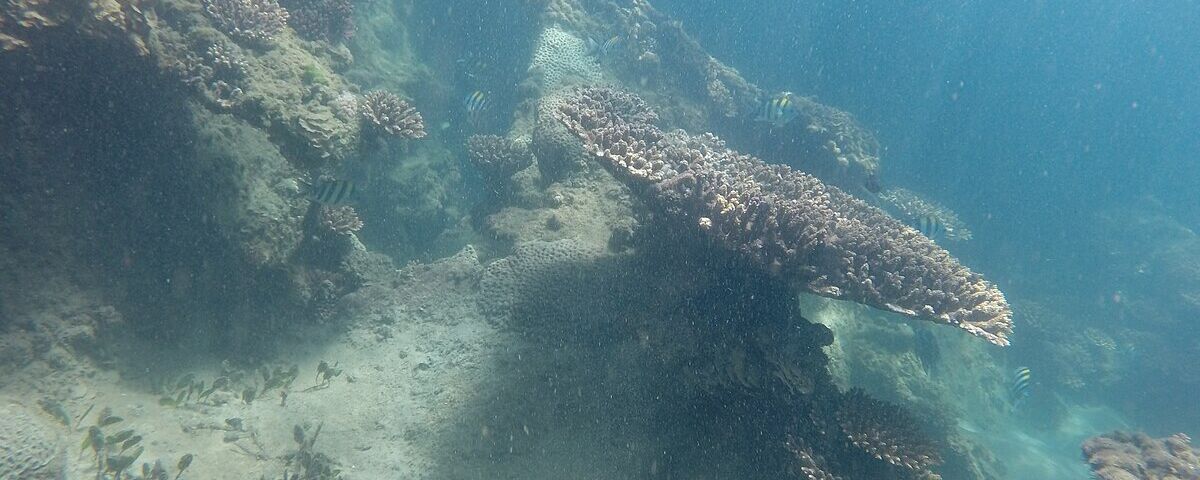
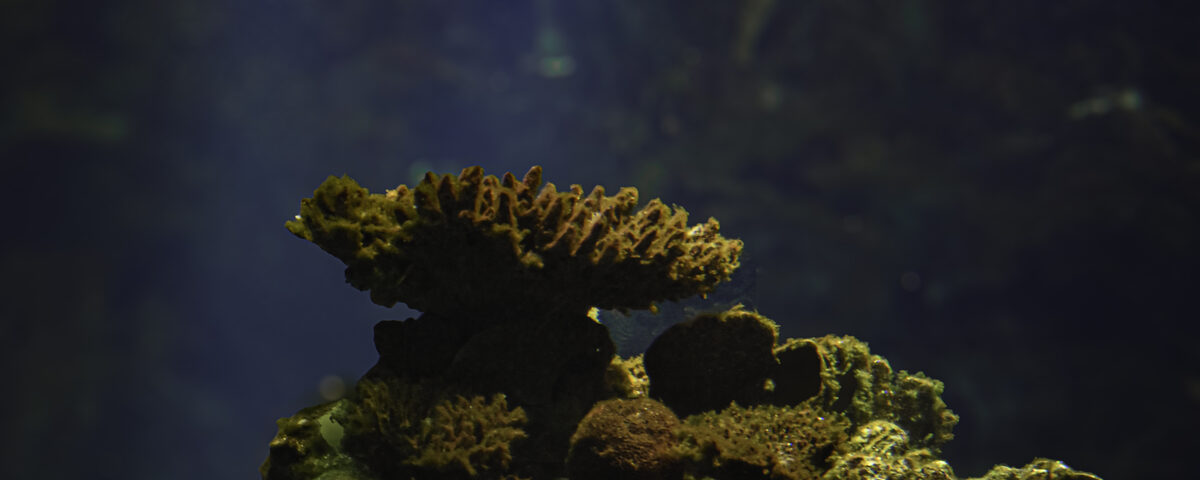
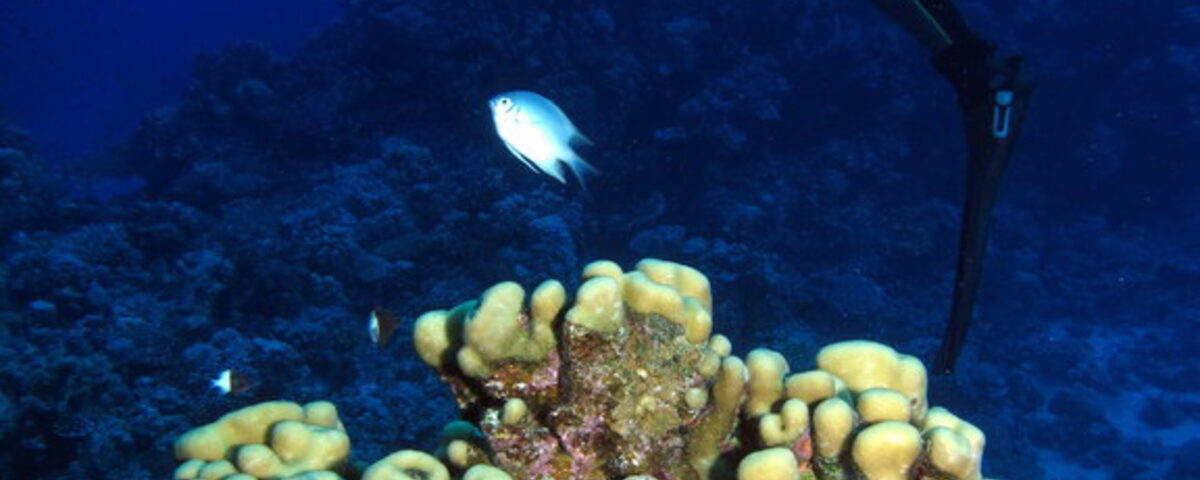
Located northeast of Gili Trawangan, Deep Turbo's topography is its main draw. The pinnacles are enormous, separated by sandy channels, and covered in soft corals, barrel sponges, and gorgonian fans. The tallest structures reach up to about 16 metres, creating a dramatic terrain of peaks and valleys that rewards exploration and makes navigation feel like traversing an alien geography.
This is the Gilis' premier deep dive. The minimum depth means it starts where many other dives finish, and the whole experience feels different from the shallow reef sites around the islands. There's an atmosphere to diving here that the coastal sites can't replicate: the blue water descent, the gradual appearance of the pinnacles from the murk, the sense of being somewhere genuinely remote even though you're minutes from Gili Trawangan.
It's not for everyone, and it shouldn't be. The depth, the open water entry, and the occasional current make this a site that rewards experience and good buoyancy control. Newer advanced divers should have at least a few deep dives under their belt before attempting Deep Turbo, and the blue water safety stop at the end requires comfort in open water without a visual reference.
Marine Life at Deep Turbo
The sandy channels between pinnacles are carpeted with thousands of garden eels that retract into the sand as you approach, creating a rippling wave effect across the bottom. Blue-spotted stingrays rest on the open sand, often well camouflaged until you're almost on top of them. The occasional white-tip reef shark cruises past at depth, usually in the channel between two pinnacles. Barracuda school in the water column above the structures, forming silvery spirals when they circle.
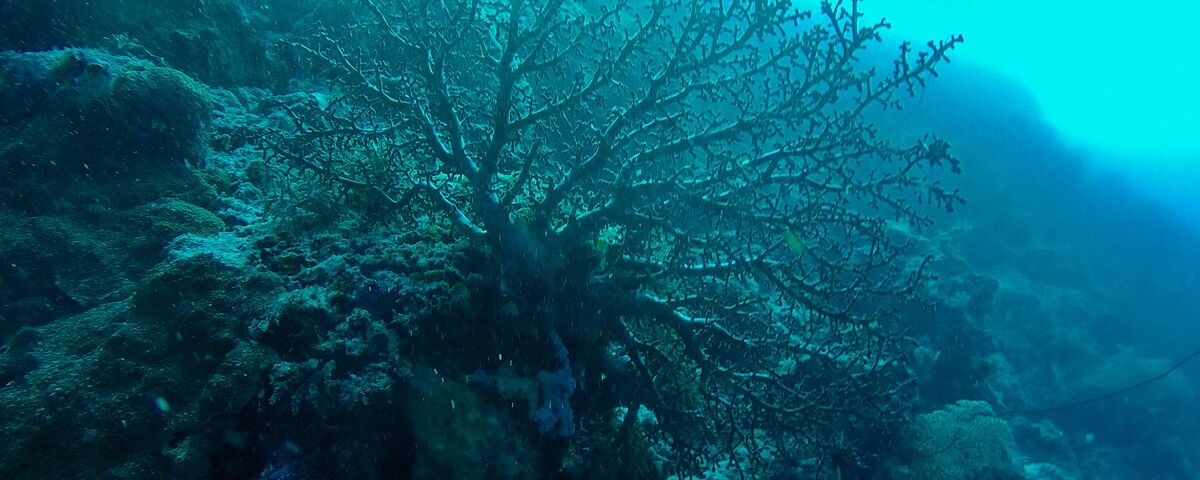
The pinnacles themselves are covered in marine life. Schools of red-tooth triggerfish swarm around the upper reaches, batfish drift past in small groups with their characteristic flat profiles, and snapper form dense clouds on the current-facing sides. Enormous barrel sponges anchor themselves to the rock, some large enough to fit a diver inside (though you should never test that theory). Gorgonian sea fans spread across the current-facing surfaces, and this is one of the better spots in the Gilis to search for pygmy seahorses on those fans. Finding them requires patience and a calm, controlled hover at depth, which tests your buoyancy skills.
Nudibranch diversity is surprisingly good for a deep site. The coral coverage on the pinnacles supports several species that aren't common on the shallower Gili reefs. The overhangs and crevices hide scorpionfish and lionfish, both masters of camouflage that reward careful inspection. In the blue water between structures, keep an eye out for eagle rays and the very occasional reef shark. The site's depth and exposure to open water means pelagic visitors are more likely here than on the sheltered reef sites, though 'likely' is still a relative term. Any pelagic encounter at Deep Turbo should be treated as a bonus.
Dive Conditions
Deep Turbo is a blue water descent. You drop from the boat and fall through open ocean until the pinnacles appear below, which takes about two minutes at a controlled descent rate. This entry style is not suitable for divers uncomfortable with open water or those with poor buoyancy control. The shallowest point is around 16 metres, so there's no shallow reef to retreat to if you need to adjust equipment or calm your breathing.
Current ranges from none to moderate. When running, it can push between the pinnacles, making navigation more challenging but also concentrating the fish life on the lee sides of the structures. On current days, the guide will typically plan the dive to drift from one pinnacle to the next rather than fighting upstream. Visibility is typically 15 to 25 metres, sometimes reaching 30 on clear days when the water column is free of plankton.
This is an Advanced Open Water dive site as an absolute minimum, and ideally divers should have logged several deep dives before visiting. Nitrox is recommended to extend bottom time at depth and increase no-decompression limits. A typical dive profile here gives 30 to 35 minutes of bottom time on air before decompression obligations require ascent, which passes faster than you'd think when the pinnacles are covered in interesting life. The safety stop is in open blue water unless your guide positions the group on the top of a pinnacle, which experienced guides will aim for. Gas management matters here more than at any other Gili site. Monitor your pressure gauge frequently and communicate with your buddy.
⚓ Divemaster Notes
This is the dive I send experienced visitors to when they've done Shark Point and Halik and want something that feels genuinely different. The topography alone makes it worth the trip. That said, I've seen divers get humbled here. The depth is real, the open water is disorienting for some, and the limited bottom time creates pressure to see everything quickly.
Watch your air. Seriously. The depth eats gas faster than the shallower Gili sites, and the excitement of the pinnacles makes people breathe harder without noticing. Plan for a 30-minute bottom time maximum and stick to it. Your guide should be monitoring the group's air consumption, but take responsibility for your own. Signal at 100 bar, begin ascent at 70. These are not negotiable.
The pygmy seahorses on the gorgonians are genuinely present here, but finding them requires patience and a calm approach that's hard to maintain at 25 metres when you're watching your air and your NDL simultaneously. Ask your guide beforehand; they usually know which fans currently have residents. Do not touch the fans. Pygmy seahorses are incredibly fragile and the fans themselves take years to grow to that size.
Nitrox is worth the extra cost on this dive. The difference between 30 and 40 minutes at 25 metres is significant, and the no-decompression limits on air at these depths are tighter than newer advanced divers realise. If your operator offers it and you're certified, take it without hesitation. It transforms the dive from feeling rushed to feeling comfortable.
One more thing: the open water safety stop can be disorienting for divers who are used to hanging on a reef at 5 metres. You'll be floating in blue water with nothing visible below. Maintain eye contact with your buddy, watch your depth gauge, and don't ascend too fast. Ascending too fast during the stop is the most common mistake I see at this site, particularly from divers who are low on air and anxious to surface.
How to Get to Deep Turbo
Deep Turbo is northeast of Gili Trawangan, about 15 minutes by dive boat from the harbour. Access is exclusively by boat from Gili Trawangan or Gili Air operators. There's no shore entry option; the site sits in open water between the islands and the mainland.
The Gili Islands are reached via fast boat from Bali (2 to 2.5 hours from Padang Bai or Serangan harbour) or from Bangsal harbour on Lombok (20 minutes by public boat). Lombok International Airport is the nearest airport, with Bali's Ngurah Rai Airport as an alternative requiring the additional fast boat transfer. Most dive operators can arrange transfers from either airport.
Most operators include Deep Turbo as part of a multi-dive day, often pairing it with a shallower second dive at Halik Reef or Shark Point to off-gas after the deep profile. Because of the depth, some operators only schedule it as a first dive of the day when divers are fresh and well-rested. Gas fills for the second dive take slightly longer after a deep first dive, so expect a longer surface interval.
Gear Recommendations
Nitrox certification strongly recommended. Standard tropical exposure suit.
SMB mandatory for the blue water ascent; without it, the boat has no way to track your position. Dive computer essential for monitoring NDL at depth (no tables diving at these depths; the calculations are too critical for mental arithmetic).
Torch for looking into pinnacle crevices and overhangs where scorpionfish and lionfish hide. Wide-angle lens for photography; the pinnacles against the blue water are the subject here, not the macro critters.
Recommended Dive Operators
Trawangan Dive runs Deep Turbo regularly and their guides know the pinnacle layout well enough to navigate efficiently in limited bottom time, which matters when every minute counts at depth. Blue Marlin Dive offers Nitrox, which makes a real difference on this deep profile, extending usable bottom time by several minutes.
Gili Divers has reliable guides for this site and keeps groups small, which is important underwater where a large group spreads across the pinnacles and becomes hard to manage. Manta Dive on Gili Air also accesses Deep Turbo and can approach from a different angle depending on current, which sometimes provides better conditions than the Gili Trawangan approach.
Liveaboard Options
Not a liveaboard destination. Day trip access from Gili Trawangan or Gili Air dive centres is the only practical option.
The site's depth profile means it's typically scheduled as a morning first dive, which works well with the day-trip format.