Hans Reef Dive Site
Gili Islands, Indonesia · Near Gili Air
Overview
Harlequin shrimp live on Hans Reef. For critter hunters and macro photographers, that single fact is enough to make this site a priority over every other dive in the Gili Islands. These tiny, spectacularly patterned shrimp are rare across most of the Indo-Pacific, but the guides at Gili Air know exactly which coral heads the resident pairs currently occupy and can take you directly to them.
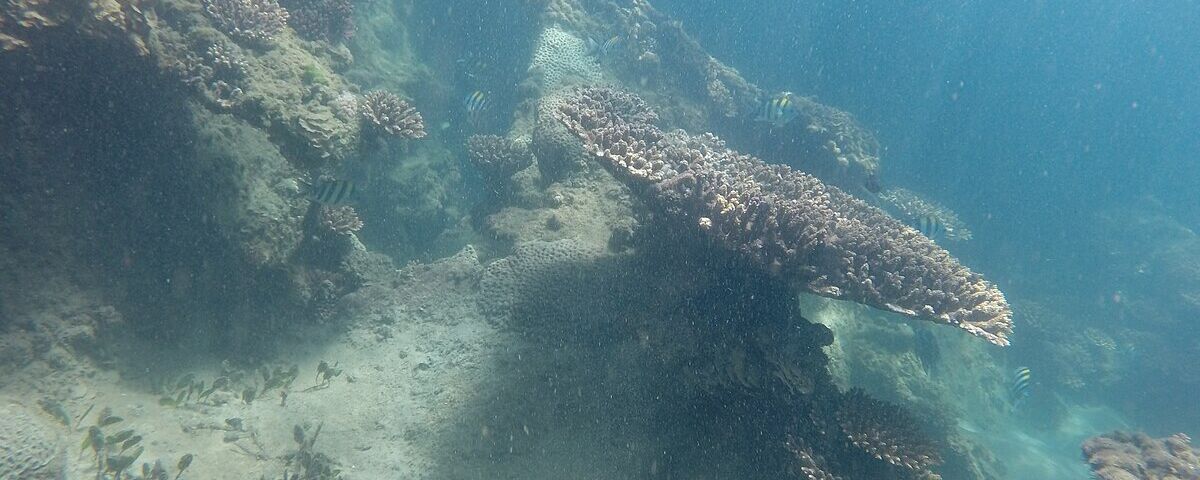
Hans Reef sits off the north coast of Gili Air, centred on a coral pinnacle surrounded by sandy bottom. The structure acts as an oasis in the sand, attracting marine life from the surrounding flat that concentrates around the pinnacle like animals around a waterhole. Bottom dwellers that you won't find on the reef sites occupy the sand: Indian Ocean walkmen (a type of sea robin that 'walks' on modified pectoral fins), snake eels with just their heads protruding from burrows, and flounder lying flat and perfectly camouflaged.
The site has a reputation among Gili dive guides as one of the islands' most interesting dives for anyone who looks closely rather than just looking big. It doesn't have the name recognition of Shark Point or Turtle Heaven, but divers who appreciate detail and oddity consistently rate it as one of their favourite dives in the entire archipelago. The guide dependency is higher here than at most sites. Without someone who knows where the critters are hiding, Hans Reef can feel like a sandy bottom with a coral mound. With a knowledgeable guide, it transforms into a treasure hunt.
The pinnacle also serves as a cleaning station for green sea turtles, which hover at the summit while wrasses pick parasites from their shells, providing a natural spectacle that's easy to observe from a comfortable hover nearby.
Marine Life at Hans Reef
The sandy bottom surrounding the pinnacle hosts residents you won't find on the coral reef sites. Indian Ocean walkmen (Inimicus didactylus) sit on the sand, their venomous spines concealed, using their modified pectoral fins to creep along the bottom in a motion that looks genuinely like walking. Snake eels burrow into the sand with only their heads visible, often mistaken for garden eels at first glance until you notice the different head shape and behaviour. Flounder and sole lie flat and camouflaged on the sand, virtually invisible until they move. Fields of garden eels sway in the current on the open sand flats surrounding the pinnacle, their thin bodies retracting into the sand as you approach.
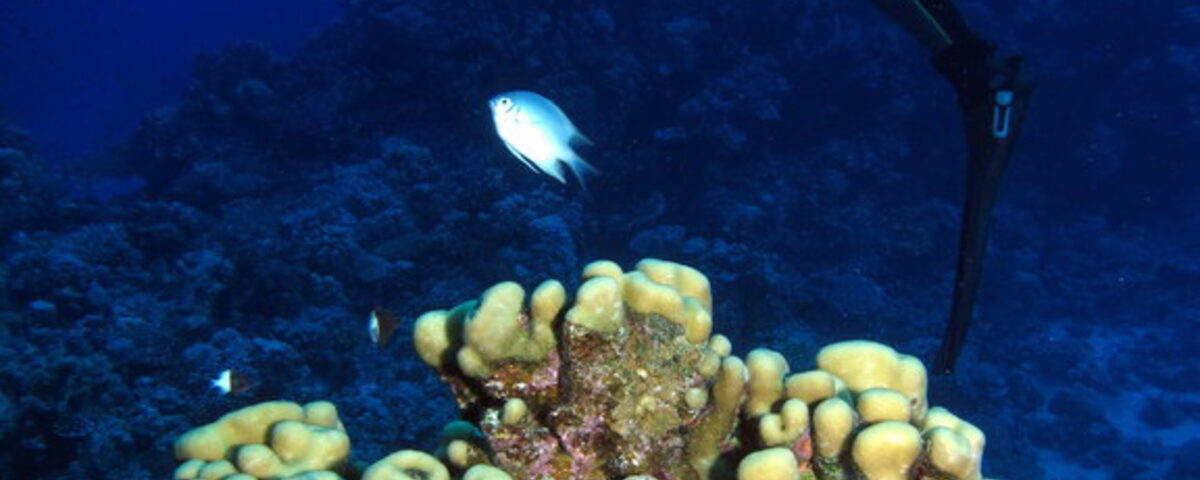
The coral pinnacle is a concentration of reef life in miniature. Juvenile sweetlips (with their distinctive spotted patterns and the exaggerated wobbling swimming motion that juveniles use, completely different from the adults' dignified cruise) shelter in the hard coral branches. Surgeonfish, angelfish, and butterflyfish occupy the pinnacle. Cuttlefish hunt around the edges, sometimes displaying their full colour-change repertoire. Big green turtles use the top of the pinnacle as a cleaning station, hovering motionless while wrasses work their shells and skin.
The star attractions are the small critters that bring macro photographers from across the region. Harlequin shrimp (Hymenocera picta), with their white bodies covered in blue or purple polka dots, are the headline. They're tiny, no more than 5 centimetres, and feed exclusively on starfish, dragging their prey back to their den. Frogfish appear in various sizes and colours, their camouflage making them effectively invisible until pointed out. Leaf scorpionfish sit motionless among the coral, indistinguishable from the surrounding material. Ribbon eels show their vivid blue and yellow from the sand, occasionally extending enough of their body to photograph. Black-spotted morays peer from holes. Pipefish and seahorses (common species, not pygmies) hide in the rubble zones near the pinnacle base.
Dive Conditions
Hans Reef is a calm, easy dive with minimal challenges. Current is typically mild or negligible, making it suitable for all certification levels. The sandy bottom and pinnacle structure sit at a maximum of about 24 metres, with the pinnacle top at 5 to 8 metres providing a natural reference point and safety stop location.
The dive profile is simple: descend to the sand, work around the pinnacle checking critter spots, and ascend up the pinnacle slope for a safety stop while watching the turtle cleaning station. Visibility is usually 10 to 20 metres, adequate for critter finding though occasionally reduced by sand disturbance from other groups or from the current stirring the bottom.
The sandy bottom can reduce visibility significantly if divers use poor finning technique, so careful fin kicks matter here more than at hard-bottom sites. Frog kicks are the appropriate technique; flutter kicks stir up the sand and destroy visibility for everyone behind you. Entry is by boat from Gili Air (about 5 minutes) or Gili Trawangan (15 to 20 minutes). The site is diveable year-round with consistent, forgiving conditions.
⚓ Divemaster Notes
Hans Reef is a guide-dependent dive, and I cannot stress this enough. Without someone who knows where the critters are hiding, it can feel like a sandy bottom with a coral mound in the middle. With a good guide who dives it regularly and tracks the residents, it's one of the best critter dives in the Gili Islands by a considerable margin. Make sure your operator knows you want to find the harlequin shrimp before you go, and book with a Gili Air operator if possible.
The macro life here changes with the seasons and with the movements of individual animals. Frogfish that sit in one spot for three weeks suddenly relocate to another bommie or disappear entirely. The harlequin shrimp stay more reliably in their territory, but they're still tiny and require the guide to point them out. Once you see one, you'll be astonished by the detail: their polka-dot pattern is intricate and beautiful in a way that photographs barely capture. Be patient and follow your guide's lead rather than exploring independently.
Photographers: bring a macro lens. This is the opposite of a wide-angle site. The subjects are small, detailed, and often superbly camouflaged. A 60mm or 100mm macro equivalent is ideal. The lighting conditions underwater are generally good, with the sandy bottom providing natural reflective light that fills shadows. A good strobe makes a significant difference to critter photography here.
I'd recommend doing Hans Reef with a Gili Air operator rather than crossing from Gili Trawangan. The shorter boat ride means more time in the water, and the Gili Air guides dive this site far more frequently, sometimes daily. They know where things are in a way that visiting guides from other islands simply cannot match.
One critical thing: fin technique matters here more than at any other Gili site. The sandy bottom kicks up easily with flutter kicks, and one diver with poor technique can destroy visibility for the entire group in under a minute. Use frog kicks, stay off the bottom, and control your buoyancy. If you can't maintain a stable hover at 15 metres without fin contact, practise before diving Hans Reef. The critters are worth seeing clearly.
How to Get to Hans Reef
Hans Reef is off the north coast of Gili Air, the easternmost of the three Gili Islands. Gili Air is reached by fast boat from Bali (2 to 2.5 hours from Padang Bai or Serangan) or public boat from Bangsal on Lombok (15 to 20 minutes). Gili Air is also connected to Gili Trawangan and Gili Meno by regular island-hopping boats that run throughout the day.
Operators based on Gili Air have the shortest boat ride to the site and dive it most frequently, which means their guides have the most current knowledge of critter locations. Gili Trawangan operators also access Hans Reef but the longer boat transfer means it's less frequently scheduled than the sites on Trawangan's own coast.
Gili Air is quieter and more relaxed than Gili Trawangan, with fewer dive operators but a loyal following among divers who prefer a calmer island atmosphere with less nightlife and more tranquillity. The diving infrastructure is solid, with well-maintained gear and experienced guides at the established operators.
Gear Recommendations
Macro lens is essential for photography; this is not a wide-angle site. Torch for spotting critters in holes and under ledges, useful even during daytime dives. Standard tropical exposure suit.
Consider a pointer stick or light stick to indicate critters to your buddy without touching them or the reef. No special gear otherwise; the easy conditions make this a straightforward dive logistically.
Recommended Dive Operators
Manta Dive Gili Air is the most experienced operator for Hans Reef, with guides who dive it multiple times per week and maintain a mental map of every critter hiding spot on the pinnacle and surrounding sand. Their knowledge of current harlequin shrimp and frogfish locations is up to date and reliable. Oceans 5 on Gili Air specialises in training and fun dives and includes Hans Reef regularly, with guides who appreciate the macro life and take time to find it.
Blue Marlin Dive has a Gili Air branch with good access. From Gili Trawangan, Trawangan Dive and Divine Divers both schedule Hans Reef when guests specifically request it, though the longer boat ride means less time in the water.
Liveaboard Options
Not a liveaboard destination. Day trip access from Gili Air operators (preferred) or Gili Trawangan operators.
The guide-dependent nature of this dive means local operators with regularly updated critter knowledge are the only sensible choice.