Secret Reef Dive Site
Gili Islands, Indonesia · Near Gili Air
Overview
Found during an exploration dive and kept quiet for a while by the guides who discovered it, Secret Reef earned its name through genuine obscurity rather than marketing invention. Located between Gili Meno and Gili Air in open water, this site features an impressive topography of hard coral formations and deep pinnacles dropping to 35 metres, with some of the healthiest coral coverage in the Gili Islands.
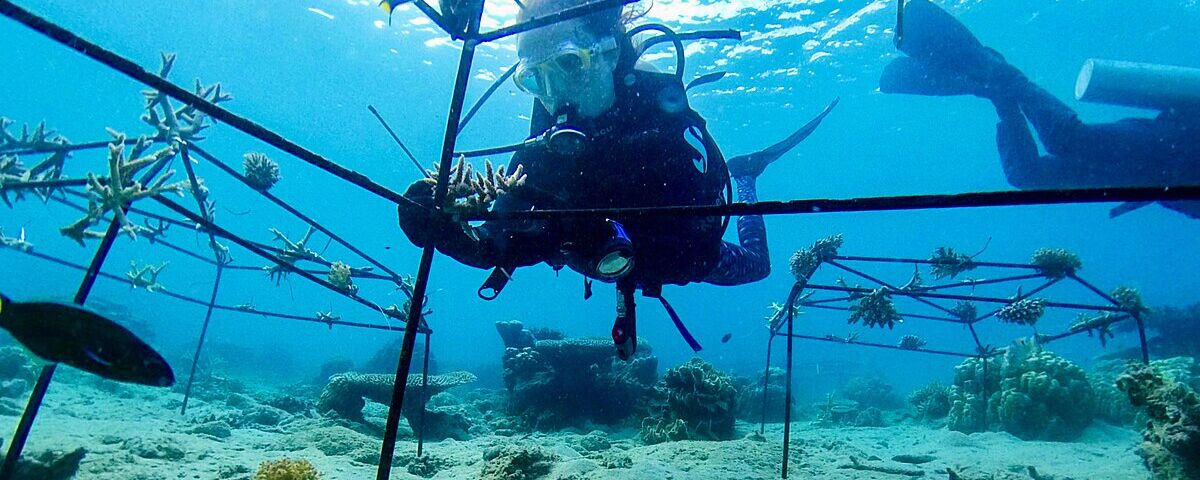
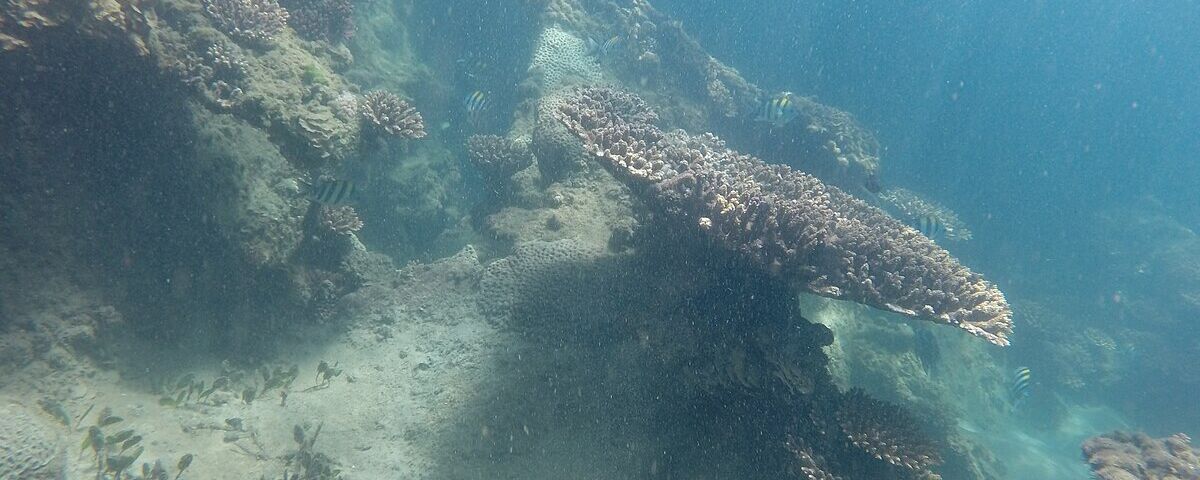
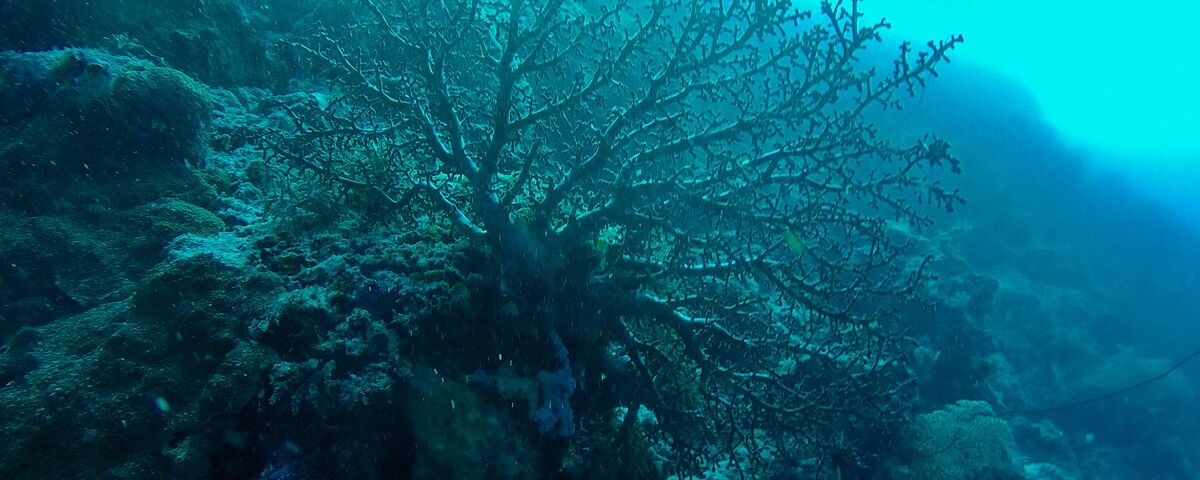
The reef structure is more complex than most Gili sites. Deep pinnacles rise from the sandy bottom, covered in hard corals that have grown undisturbed for years with minimal diver traffic. The less frequent diving activity here shows in the reef condition; the coral is in noticeably better shape than at the heavily visited sites near Gili Trawangan, with fewer broken branches, more complete table corals, and denser coverage overall.
Secret Reef sits in the channel between the two quieter islands, picking up moderate tidal current that brings nutrients and fish life to the reef structures. It's not as well-known as Shark Point or Turtle Heaven, which means fewer boats, fewer divers, and a genuine sense of exploring something that hasn't been catalogued and photographed thousands of times over.
For divers who have ticked off the popular Gili sites and want to discover what the islands offer beyond the greatest hits, Secret Reef is a strong candidate. It doesn't have one single selling point like 'the best turtles' or 'the best night dive,' but the overall quality and condition of the reef make it one of the most satisfying dives in the area for divers who appreciate healthy, undisturbed marine environments.
Marine Life at Secret Reef
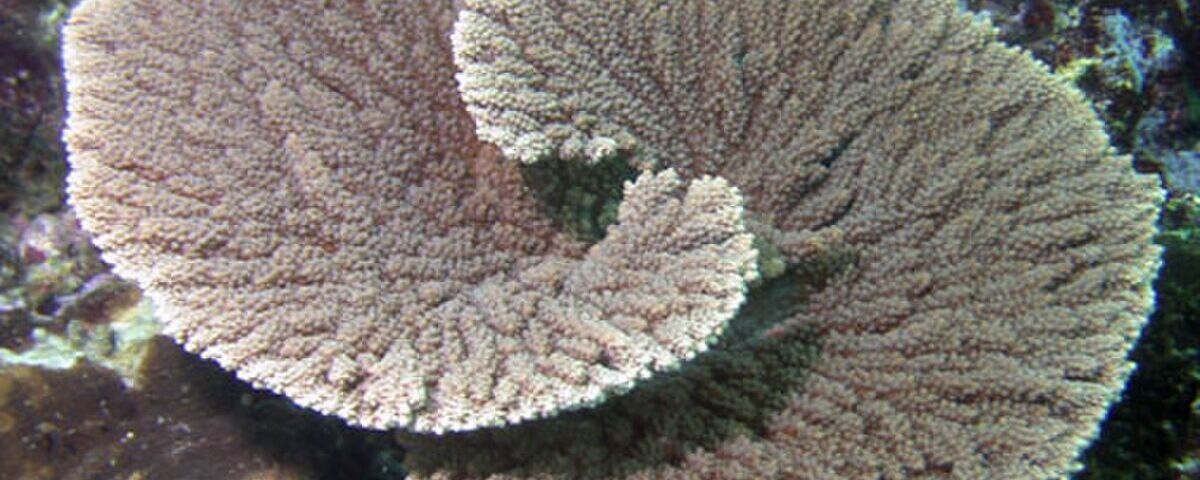
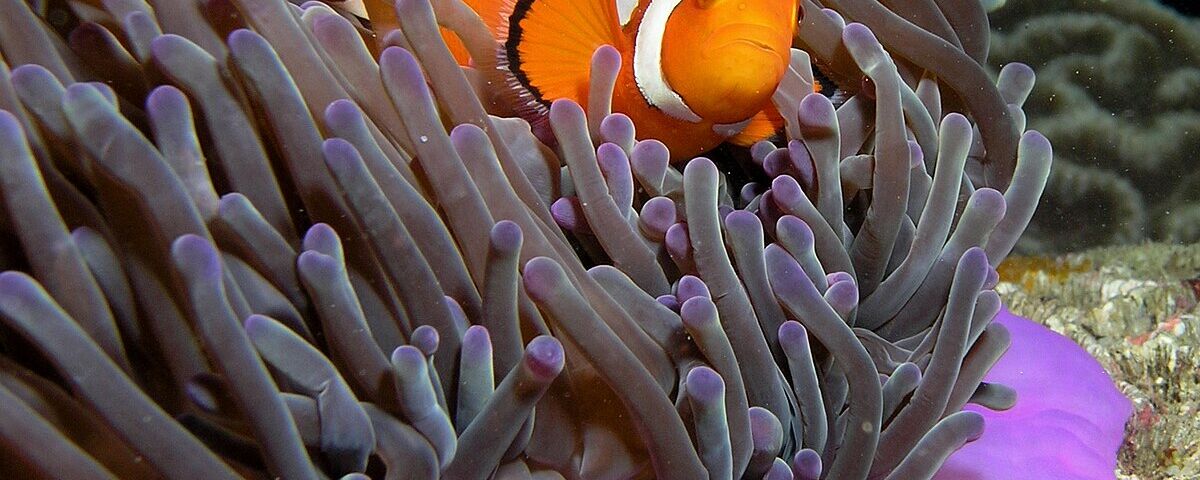
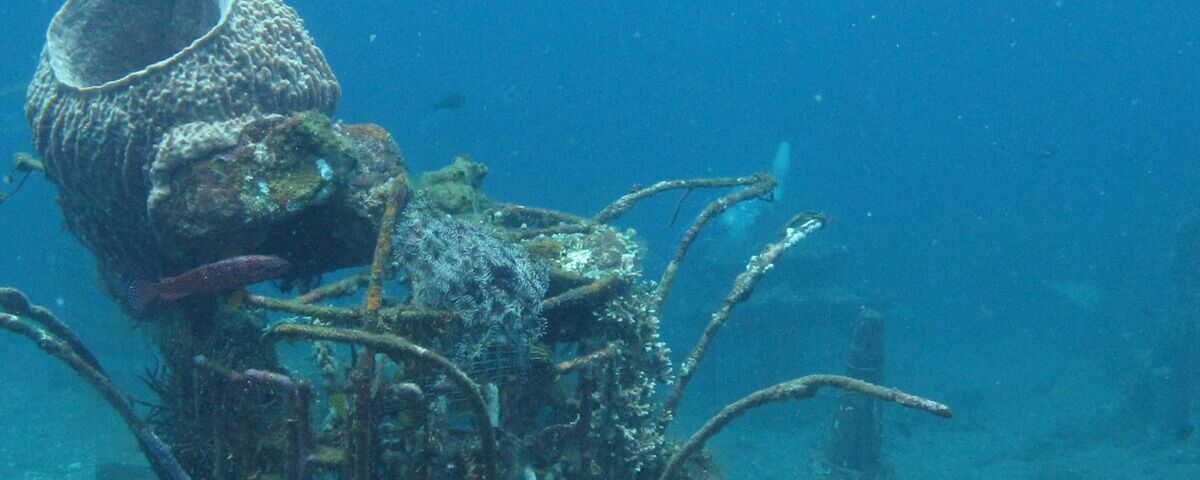
Hard coral coverage is the visual highlight and the main reason the site feels different from the busier alternatives. The pinnacles support dense formations of staghorn coral with intact branches, table corals that haven't been broken by careless divers or anchor damage, and brain corals of impressive size. The corals provide habitat for reef fish communities that include groupers of various species, sweetlips clustered under overhangs, and dense schools of anthias swarming the pinnacle edges in orange and pink.
In the deeper water beyond the reef, bumphead parrotfish occasionally pass through in small schools, which is a dramatic sight given their size. Individual bumpheads can exceed a metre in length and weigh over 40 kilograms, and a school of them moving through a reef creates an impression of power and scale that few other reef fish can match. Eagle rays have been seen in the blue beyond the pinnacles, gliding past at the edge of visibility. Reef sharks cruise the deeper edges, usually white-tips.
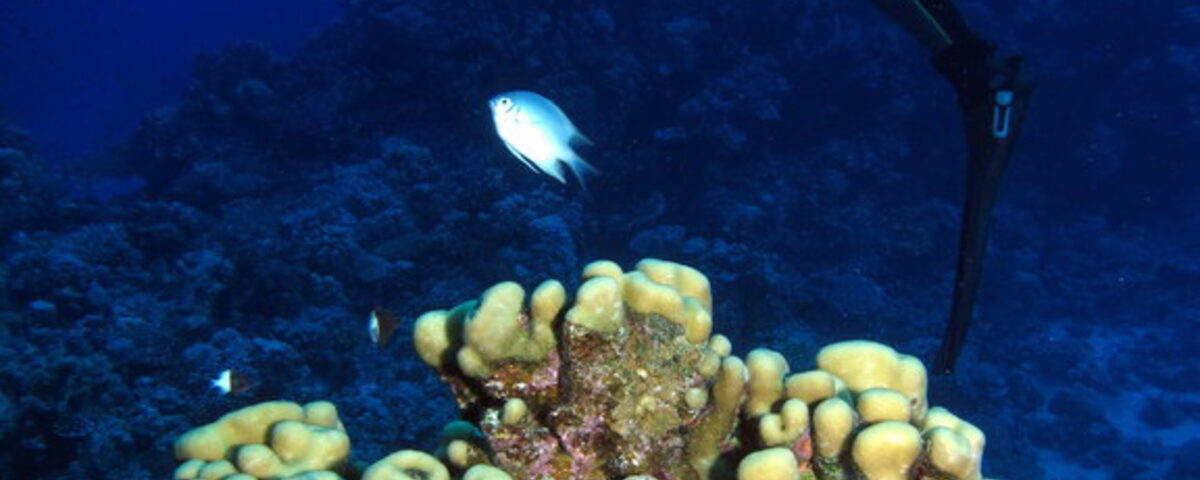
The pinnacle surfaces host nudibranchs, flatworms, and the usual Gili critter population. Soft corals decorate the deeper sections and overhangs in purples, oranges, and yellows. Turtles are present but not in the numbers found at Turtle Heaven or Shark Point; you might see two or three per dive rather than fifteen. The site's genuine strength is its overall reef quality, the condition of the coral, and the feeling of diving somewhere that hasn't been loved to death by tourist traffic.
The relative absence of diver traffic means the behaviour of the marine life at Secret Reef is noticeably different from the heavily visited sites. Fish are less habituated to divers and may be slightly more skittish, but they also display more natural behaviour. Predator-prey interactions that you rarely see at busy sites happen more openly here, with trevally hunting in the open rather than skitting away from approaching divers.
Dive Conditions
Secret Reef sits in the open channel between Gili Meno and Gili Air, catching moderate tidal current that varies with the tidal cycle. When the current is running, the dive becomes a gentle drift along the reef structure, covering more of the pinnacles in a single immersion. When slack, you can explore specific pinnacles at your own pace, circling individual structures to check all faces.
The depth range (10 to 35 metres) spans intermediate and advanced territory. The upper pinnacles at 10 to 15 metres are accessible to all certified divers and have excellent coral coverage. The deeper sections require Advanced Open Water certification, good air management, and comfort with deep profiles. The transition between the zones is gradual rather than abrupt.
Visibility is usually 10 to 20 metres, occasionally better when conditions are optimal. Entry is by boat from Gili Air (about 10 minutes) or Gili Trawangan (15 to 20 minutes). The site is weather and current-dependent; operators may substitute a sheltered site when conditions are unfavourable. This weather sensitivity means diving here requires flexibility in your schedule.
The pinnacle layout creates natural shelter zones where you can pause during the dive even if current is running. The larger pinnacles break the flow, creating calm pockets on their lee sides where you can adjust gear, check air, or simply rest and observe. This makes the dive more manageable in moderate current than sites like Halik where the exposed reef provides fewer shelter options.
⚓ Divemaster Notes
Secret Reef is the site I bring up when divers tell me they've seen everything the Gilis have to offer. The reef health here is noticeably better than at the high-traffic sites, and the difference is apparent within the first few minutes of the dive. The coral is more complete, the coverage is denser, and the fish communities that depend on intact reef structure are correspondingly richer.
The bumphead parrotfish sightings are irregular but worth hoping for. These are among the largest reef fish in the world, and encountering a school of them in the Gilis is genuinely memorable. They tend to pass through in the early morning, so dives scheduled before 9am have the best odds. Don't be disappointed if they don't show; the reef alone justifies the visit.
Don't rush through the shallows to reach the deep pinnacles. The upper reef at 10 to 15 metres has the best hard coral formations and the densest fish life. The deeper sections add scale and occasionally drama, but the shallow reef is where the site's real character shows through. Spend your time where the coral is and you won't regret it.
This is a genuinely good site for experienced divers who are tired of crowds. On most days, you'll be the only group on the reef, which transforms the dive experience compared to sharing Shark Point with four other boats and 30 other divers. If uncrowded diving matters to you, Secret Reef and Simon's Reef are the Gili sites that consistently deliver solitude.
One honest note about the name: the 'secret' is mostly historical at this point. The site is on the radar of most experienced Gili operators and their regular guides. But it still sees a fraction of the traffic that the popular sites receive, and that lower traffic is precisely why the coral condition remains superior.
The reef structure here reminds me of some of the less-visited sites in the Komodo area: complex coral topography, healthy coverage, and a sense of diving somewhere that hasn't been overexploited. The Gilis are a heavily dived area, and most sites show the wear that comes from thousands of divers per year. Secret Reef shows what the other sites probably looked like 20 years ago, before the diving industry scaled up. It's a reminder of why reef conservation matters and why sites like Bio Rocks exist.
How to Get to Secret Reef
Secret Reef is in the open channel between Gili Meno and Gili Air, accessed by dive boat. Gili Air operators have the shortest crossing and dive the site most frequently. Gili Trawangan operators also run the site but less often due to the longer boat ride.
The Gili Islands are reached by fast boat from Bali (2 to 2.5 hours from Padang Bai or Serangan) or from Bangsal on Lombok (15 to 20 minutes by public boat). Lombok International Airport is the nearest airport, with road transfer to Bangsal taking about 2 hours.
Not all operators include Secret Reef in their standard daily rotation. Ask specifically if you want to dive it when booking, and be prepared to be flexible on which day it happens. The site is condition-dependent, and a good operator will schedule it when conditions are right rather than forcing it when they're not.
Gear Recommendations
Standard tropical gear. SMB for drift scenarios when current is running.
Wide-angle lens for the reef topography, healthy coral formations, and potential bumphead parrotfish encounters. Nitrox useful for extending time at the deeper pinnacles below 20 metres.
Torch for checking overhangs and examining coral detail.
Recommended Dive Operators
Manta Dive Gili Air is credited with discovering this site during exploration dives and knows it better than any other operator. Their guides have the most intimate knowledge of the pinnacle layout and can navigate efficiently to the best coral formations. Oceans 5 on Gili Air includes it for experienced divers and schedules it when conditions are favourable.
Blue Marlin Dive runs it occasionally from their various Gili locations. Gili Divers on Gili Trawangan schedules it on request for groups specifically seeking less-visited sites.
Liveaboard Options
Not a liveaboard destination. Day trip access from Gili Air (preferred for frequency) or Gili Trawangan operators.
The weather-dependent scheduling makes the flexibility of day-trip operations the best format for accessing this site.