Shark Point Dive Site
Gili Islands, Indonesia · Near Gili Trawangan
Overview
Black-tip and white-tip reef sharks patrol the sandy canyons at Shark Point, circling between coral ridges that run parallel to the northwest shore of Gili Trawangan. This is the Gili Islands' most requested dive site, and the reason is simple: on a single dive, you can see sharks, turtles, a deliberately sunk tugboat wreck, and enough reef life to keep your eyes busy for an hour.
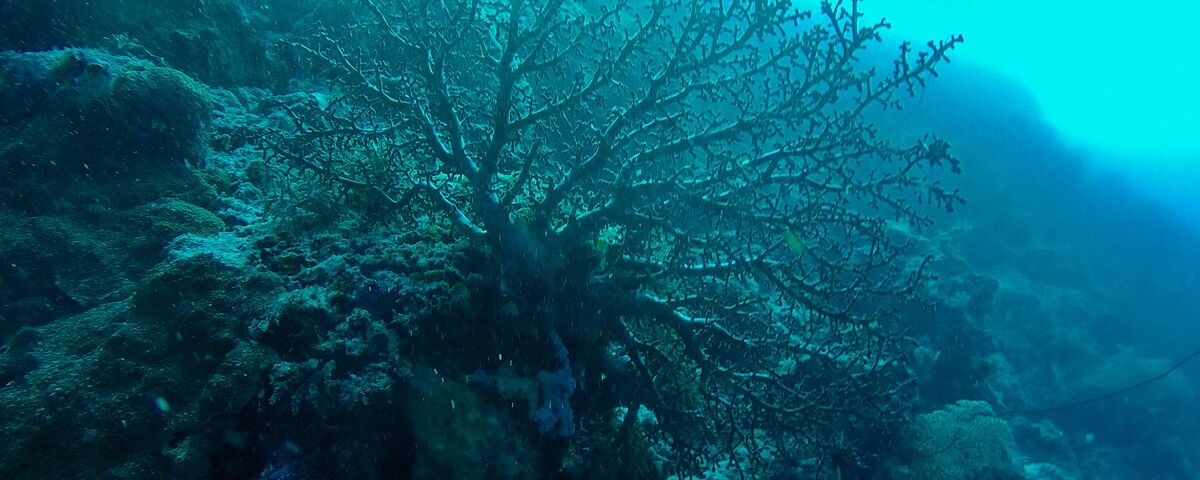
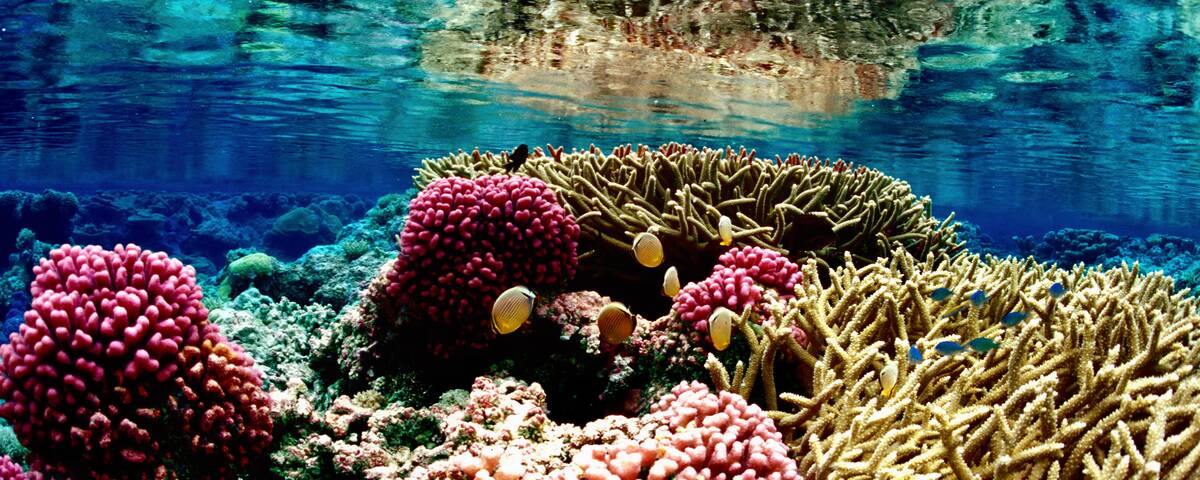
The topography here sets it apart from the other Gili sites. A shallow coral plateau at 5 to 12 metres gives way to rolling valleys and ridges that drop to 35 metres and beyond. These sandy channels between the ridges are where the sharks rest during the day, tucked into crevices and overhangs. Above them, huge green turtles graze on the seagrass beds and perch on coral bommies, seemingly unbothered by the parade of divers that passes through daily.
For advanced divers, the Glen Nusa wreck sits at around 30 metres. This tugboat was deliberately sunk in 2016 to create an artificial reef, and it has taken to its new role well. Oriental sweetlips school around the structure, snappers hang in clouds above the deck, and pipefish hide in the coral growth that now covers the hull. The wreck adds a dimension that most reef dives simply do not have.
Shark Point offers something at every depth, which is why operators put it on the schedule more than any other site. Beginners get the turtle plateau. Intermediate divers explore the ridges. Advanced divers drop to the wreck and the deep canyons. It's the one site in the Gilis where a group of mixed abilities can dive together and everyone has a good time, provided the guide knows how to manage the profile.
Marine Life at Shark Point
Reef sharks are the headline act. Both black-tip and white-tip reef sharks are regular residents, with white-tips more commonly spotted resting in the deeper canyons between 20 and 30 metres. They're not large (most around a metre) but seeing them in clear water against a sandy bottom never gets old. The sharks share the deeper zones with blue-spotted stingrays, cuttlefish hunting in the open, and the occasional bamboo shark tucked under a ledge at the canyon edges.
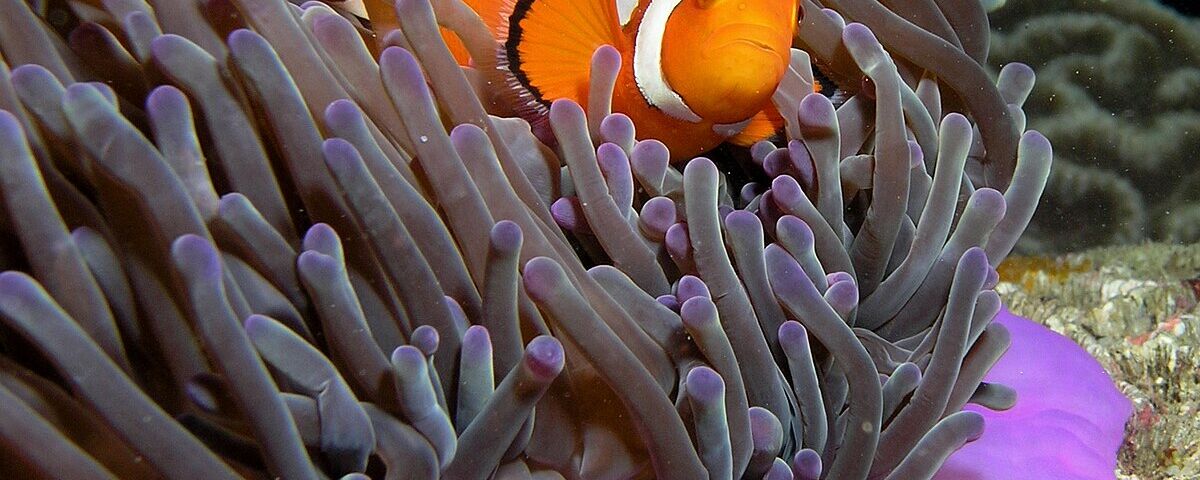
The shallows between 5 and 12 metres belong to the turtles. Green sea turtles are everywhere here, some of them genuinely enormous, with shells approaching a metre across. On a good day, counting double figures is normal. I've seen groups of divers emerge from the water arguing about whether they saw 14 or 16 turtles. Hawksbill turtles appear less frequently but they're around, particularly near the coral bommies where they feed on sponges. Anemonefish colonies dot the plateau in abundance, with at least three species represented across the site. Ribbon eels occasionally poke their bright blue heads from the sand, though they're shy and retract quickly if you approach too fast.
Macro life is secondary to the big stuff, but it's there if you look. Scorpionfish blend into the reef surfaces with impressive camouflage that catches out even experienced eyes. Nudibranchs of various species crawl along the coral, including the common Chromodoris willani with its blue and black markings. Octopus hunt in the crevices, particularly active during the late afternoon. The Glen Nusa wreck at depth adds another ecosystem; the metal structure has attracted soft coral growth, resident populations of unicornfish and pipefish, and the occasional frogfish clinging to the hull. Wide-angle photography is the move here. You'll want the broadest lens you have to capture the sharks against the canyon backdrop.
Dive Conditions
Shark Point sits on the northwest corner of Gili Trawangan, exposed to the Lombok Strait. Current is the main variable and the single biggest factor in how your dive will go. It ranges from nothing to strong, and the direction shifts with the tides. When current is running, this becomes a drift dive, which is actually ideal for covering more of the ridges and seeing more marine life in a single immersion. When it's slack, you can explore the canyons at your own pace, dropping into each valley to check under the overhangs for resting sharks.
Waves and surge affect the shallow sections during the west monsoon (November to March). The site is still diveable in this season, but conditions are more comfortable from April to November when the sea is calmer and visibility tends to be better. Expect 15 to 25 metres of visibility on most days, with the occasional 30-metre day when everything lines up. Plankton blooms can reduce vis to 10 metres, but those days often coincide with more active marine life as the food chain responds to the nutrient input.
Entry is by boat, typically a 10 to 15 minute ride from the harbour on Gili Trawangan's east side. Giant stride entry into open water. The dive profile depends on certification level: Open Water divers stick to the plateau above 18 metres, while advanced divers drop into the canyons and visit the wreck. Watch your depth on the deeper ridges; the valleys pull you down when there's something interesting below. The wall effect is real here, and it catches out divers who aren't monitoring their computers. Air consumption at depth increases quickly, particularly for divers excited by their first shark encounter.
⚓ Divemaster Notes
I've dived Shark Point in current ranging from nothing to ripping, and the site delivers in both conditions. In current, go with it and drift along the ridges. You'll cover more ground and the sharks are often more active, hunting along the reef edges rather than resting in the canyons. In slack water, drop into the valleys and check under every overhang; that's where the white-tips park themselves, sometimes stacked two or three deep.
The turtle plateau at 5 to 12 metres is worth spending real time on. I've seen newer divers rush past the shallows to get to depth, and they miss the best part of the dive. Some of the biggest green turtles I've encountered anywhere in Indonesia hang out on this plateau, and they're relaxed enough to let you get close without disturbing them. The trick is to approach slowly, stay level with or slightly below the turtle, and avoid hovering directly above them. A turtle surfacing to breathe will go straight through a diver floating overhead.
If you're Advanced Open Water certified, ask your guide to include the Glen Nusa wreck. Not every operator goes there by default because it requires dropping to 30 metres, which limits bottom time significantly. But the wreck is worth the gas. It's small (a tugboat, not a cargo ship) so you can circumnavigate it in a few minutes and still have time on the ridges. The sweetlips gathering around the wreck structure are particularly photogenic.
One honest note: this site gets busy. It's the most popular dive in the Gilis, and during peak season (July and August) you may share the reef with five or six other groups. The sharks don't seem to mind, but the experience is different with 30 divers in the water versus six. Early morning dives tend to be quieter; the second and third dive slots attract the most traffic. If crowds bother you, consider Halik or Deep Turbo instead. Similar quality, fewer boats, and the sharks don't check which site is more popular.
How to Get to Shark Point
The Gili Islands sit off the northwest coast of Lombok, Indonesia. Most divers arrive via fast boat from Bali (roughly 2 to 2.5 hours from Padang Bai or Serangan harbour) or from Bangsal harbour on Lombok's coast (a 20-minute public boat crossing). Lombok International Airport is the closer option, about 2 hours by road to Bangsal. From Bali's Ngurah Rai Airport, the fast boat transfer adds time but most operators include booking assistance.
Shark Point is accessed by dive boat from Gili Trawangan, with the ride taking about 10 to 15 minutes to the northwest corner of the island. All dive operators on Gili Trawangan include this site on their regular rotation, and it's frequently the first dive of the day when weather permits. The morning slot is preferable because conditions are typically calmer and the site hasn't yet been visited by other groups.
Gili Trawangan has the largest concentration of dive shops in the Gili Islands, with more than 20 operators to choose from. The island has no motorised vehicles, so getting around means walking, cycling, or horse cart. Accommodation ranges from budget hostels along the main strip to upmarket resorts on the quieter east coast, all within walking distance of the dive centres. Most operators offer package deals combining accommodation, diving, and boat transfers that work out cheaper than booking separately.
Gear Recommendations
Standard tropical setup: 3mm shorty or full suit, mask, fins, computer. A reef hook can be useful when current picks up and you want to stay put to watch the sharks, though not all operators permit them.
Wide-angle lens is the right choice for photography here; you'll want to capture sharks against the canyon backdrop and turtles on the plateau. Torch useful for peering into crevices on the deeper ridges where bamboo sharks and scorpionfish hide.
Nitrox recommended if you plan to spend time at the wreck depth, as the extra no-decompression time at 30 metres makes the difference between a rushed visit and a proper exploration.
Recommended Dive Operators
Blue Marlin Dive is the largest operator in the Gilis, with centres on all three islands and a strong safety record built over decades. Their gear is well maintained and they run Nitrox, which matters for the deeper sections of Shark Point. Trawangan Dive has been running since 2008 and is known for small group sizes and marine conservation work through the Gili Eco Trust. They offer eco-diver courses that include reef monitoring at this and other sites.
Manta Dive on Gili Trawangan combines a resort with a dive centre and runs reliable daily trips with experienced local guides. Divine Divers is a smaller outfit that keeps groups to four divers per guide, which makes a real difference at a popular site like Shark Point where group management affects the experience.
Gili Divers is a newer operation with good gear, enthusiastic staff, and competitive pricing.
Liveaboard Options
The Gili Islands are not a typical liveaboard destination. All diving here operates as day trips from island-based dive centres, with boats returning to harbour between dives.
Some Komodo-bound liveaboards make a brief stop at the Gilis en route, but Shark Point is best experienced through local operators who know the current patterns and can time the dive properly. The day-trip format means you can choose your dive schedule flexibly rather than being locked into a liveaboard itinerary.