Sunset Reef Dive Site
Gili Islands, Indonesia · Near Gili Trawangan
Overview
Cold water upwellings from the Lombok Strait occasionally sweep across Sunset Reef, and that nutrient-rich water is what makes this southwest-facing site punch above its weight for marine life. Manta rays and devil rays pass through here during the wet season, drawn by the plankton blooms that the cold currents bring. It's the only site in the Gilis where manta sightings are a realistic possibility outside of the dedicated Manta Point.
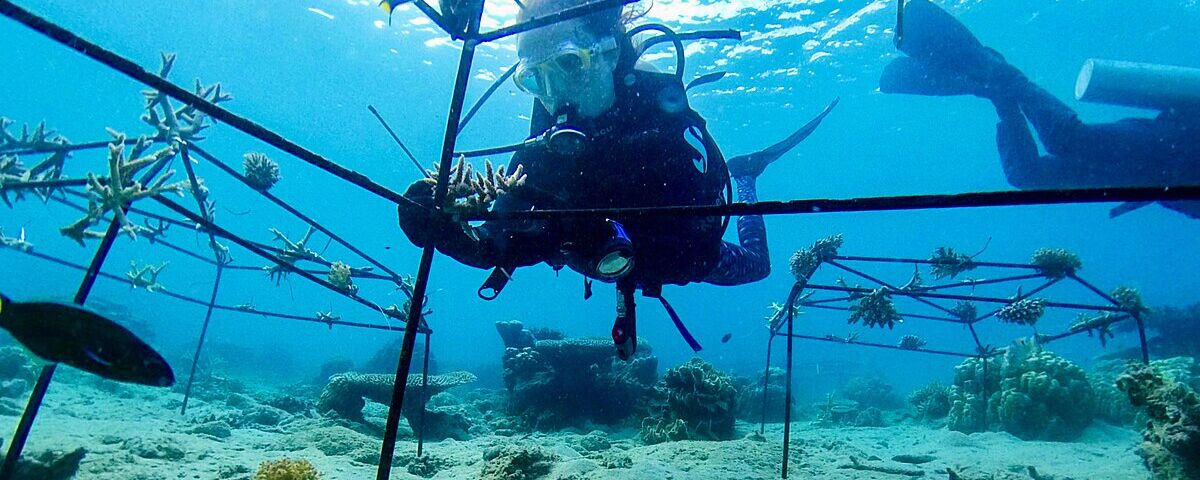
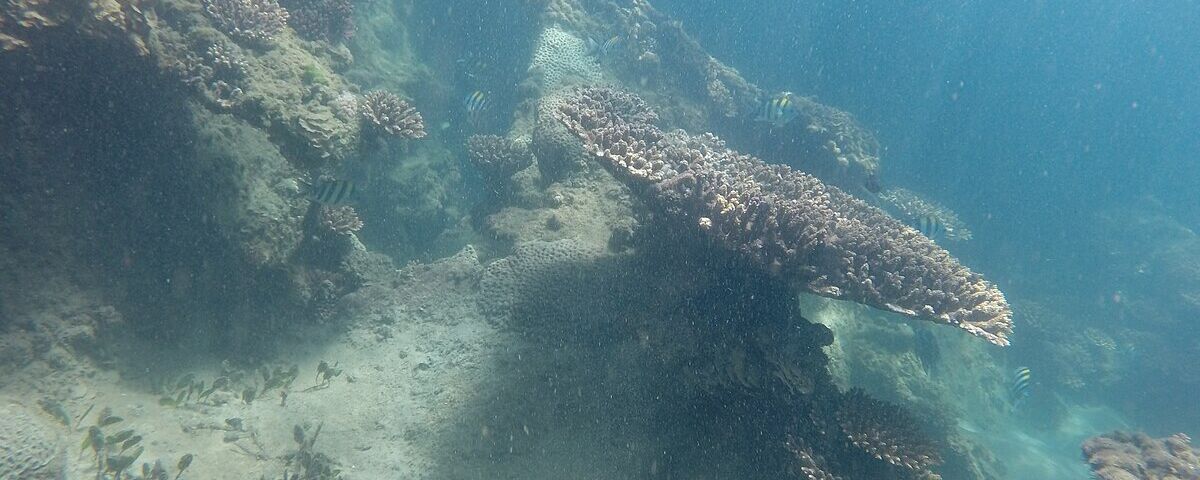
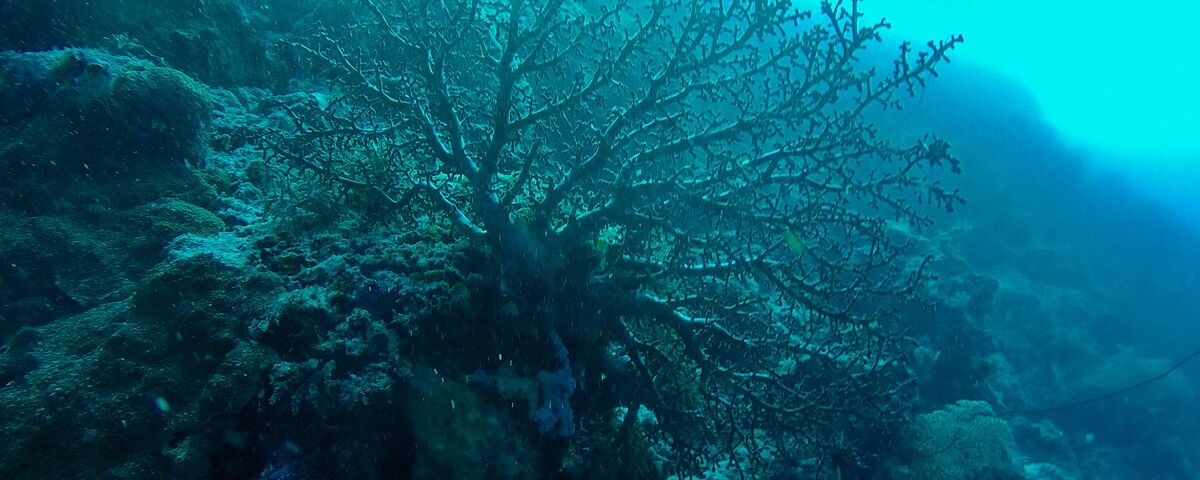
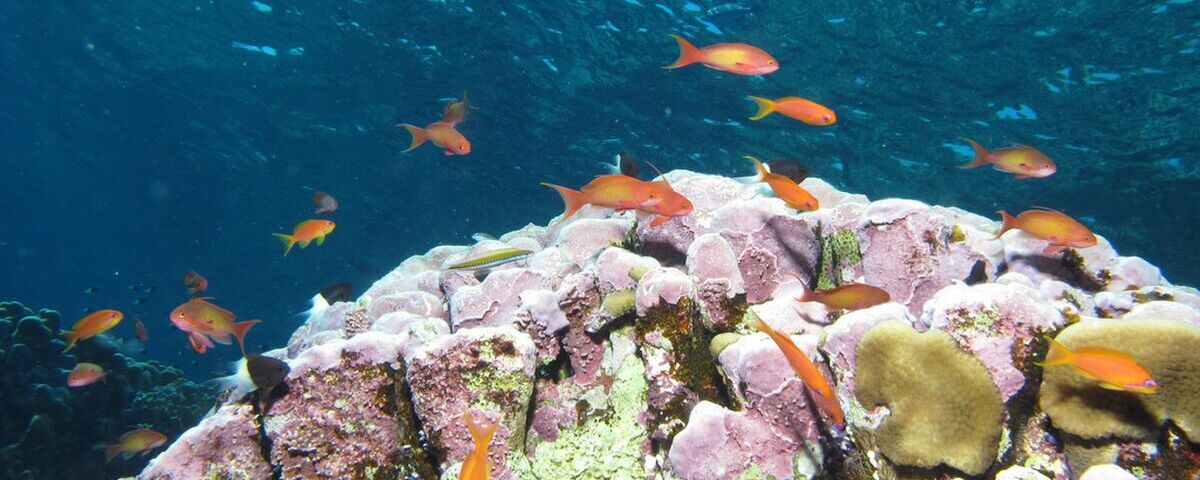
The reef itself is a gradually sloping formation on the west side of Gili Trawangan, dropping from 5 metres to about 22 metres. Dense staghorn coral formations in the shallows create sheltered habitat for juvenile fish and turtles, while the deeper sections attract schools of snapper, sweetlips, and the occasional giant trevally cruising the reef edge. Black-tip and white-tip reef sharks are regular visitors, particularly in the deeper sections where the reef meets the sand.
Sunset Reef doesn't have the dramatic topography of Shark Point or the depth of Deep Turbo. What it has is unpredictability. The cold water inputs mean you never quite know what's going to show up on any given dive, and that element of surprise is what keeps divers coming back. Some days it's quiet. Some days a devil ray glides overhead while you're watching a shark in a canyon. The uncertainty is part of the appeal.
The reef health is solid, with good hard coral coverage and reasonable fish diversity even on the quiet days. The site was named for its position on Gili Trawangan's sunset side of the island, not because evening is the optimal dive time. Morning dives tend to have calmer conditions and better visibility.
Marine Life at Sunset Reef
Schools of yellowtail snapper and blue-striped snapper hang above the reef in dense formations that shimmer when the light catches them. Sweetlips cluster under overhangs during the day, their spotted bodies distinctive against the dark coral background. Giant trevally patrol the reef edge with purposeful speed, and black-tip reef sharks cruise the deeper sections where the slope meets the sand. Green sea turtles are present but less numerous here than at Shark Point or Turtle Heaven; you'll likely see two or three rather than ten.
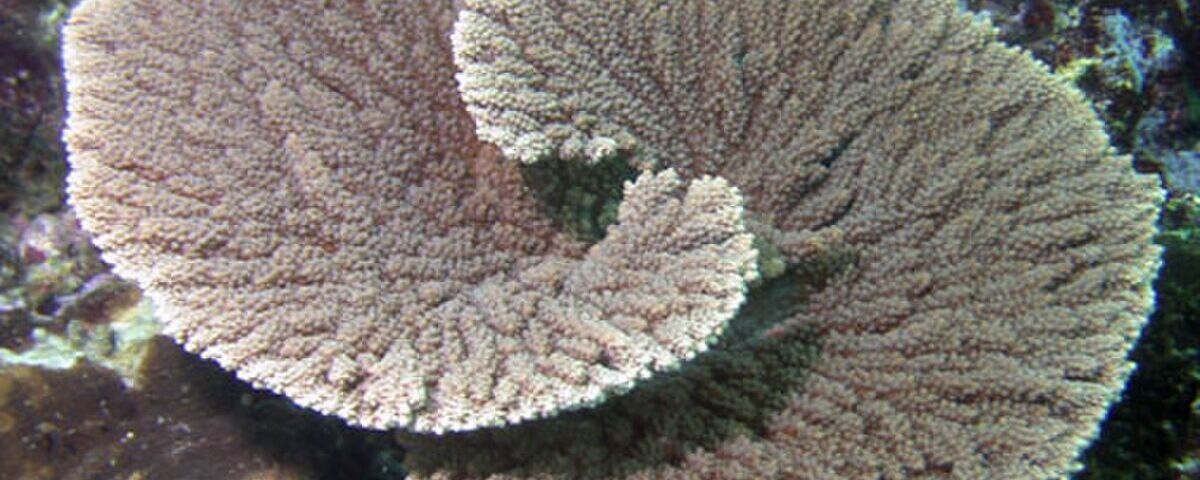
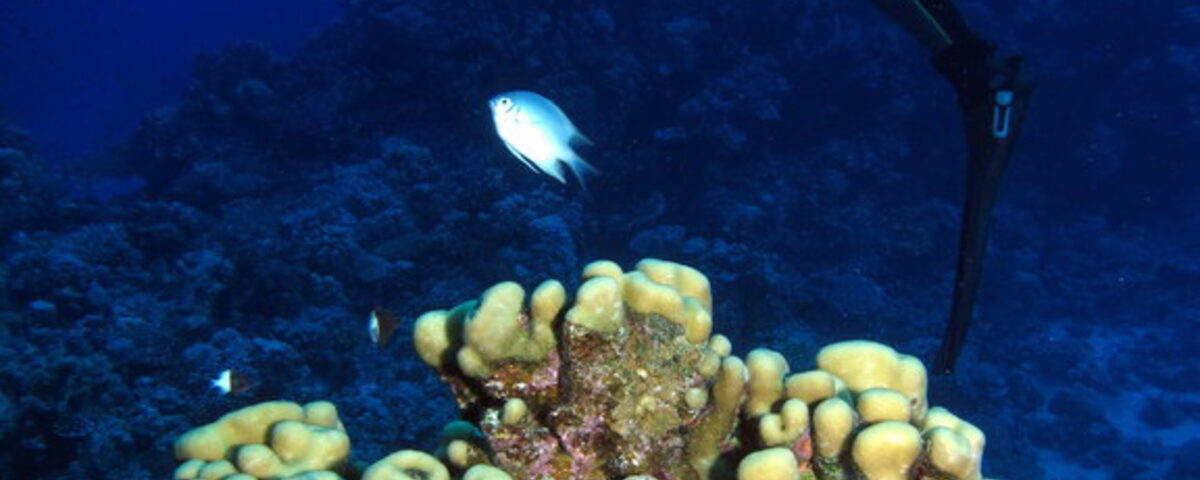
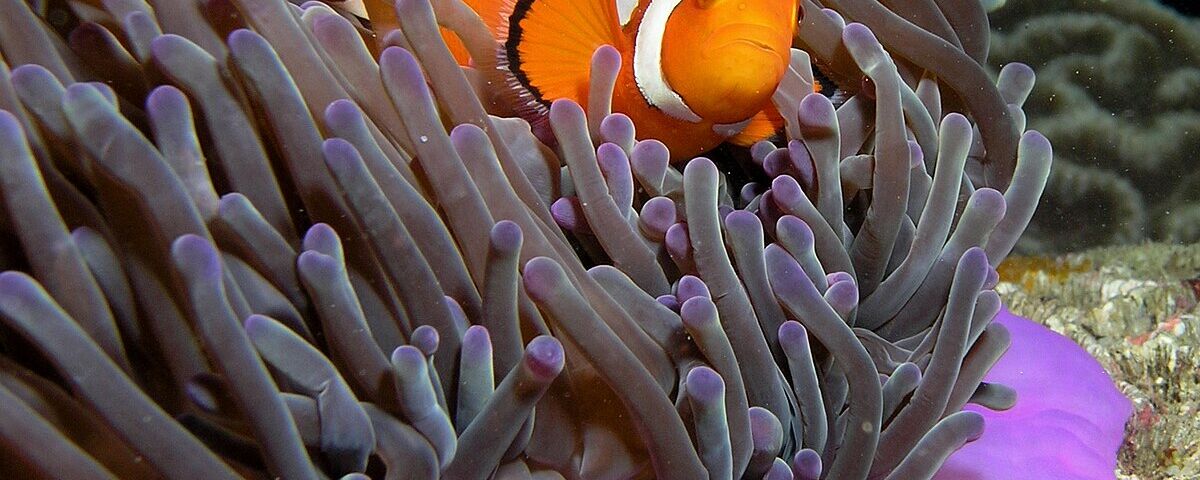
The staghorn coral zone in the shallows (5 to 10 metres) acts as a nursery for juvenile reef fish. Tiny sweetlips with their exaggerated swimming motion, juvenile groupers, and schools of damselfish shelter in the coral branches. Anemonefish colonies are well established. The hard coral coverage is healthy and diverse, with table corals, brain corals, and fire corals interspersed with the staghorn formations. Snowflake moray eels peer from holes in the reef, their white-patterned bodies unmistakable.
The seasonal visitors are the big draw. During the wet season (roughly November to March), devil rays and occasionally manta rays pass through the area, attracted by plankton concentrations that the cold water upwellings bring. These sightings are not guaranteed; they're a bonus rather than something to plan an entire trip around. But when they happen, they transform an already good dive into a story you tell for years. The cold water that brings the rays also brings occasional appearances from less common species: mobula rays in small groups, passing schools of mackerel, and the very rare whale shark sighting that gets everyone on the island talking.
Dive Conditions
Sunset Reef faces west into the Lombok Strait, which means it catches cold water upwellings that other Gili sites don't experience. Water temperature can drop to 26 degrees Celsius or lower during these events, noticeably cooler than the 29 to 30 degrees typical elsewhere around the islands. The cold water usually brings reduced visibility (8 to 15 metres) but more marine activity as the food chain responds to the nutrient input.
Current is typically moderate and manageable for intermediate divers, though it can strengthen during spring tides. Surge can affect the shallow sections during westerly swells, particularly in the monsoon season. The site is best from April to November for comfortable conditions, though the wet season brings the pelagic visitors that make it truly special. It's a trade-off: calm and clear versus dynamic and unpredictable.
Entry is by boat from Gili Trawangan, about 10 minutes to the southwest corner. The reef is a gentle slope, making depth control straightforward for divers with reasonable buoyancy skills. This is a reasonable site for confident Open Water divers in mild conditions, though the current and cold upwellings add variables that newer divers should be aware of. Your guide should brief on expected temperature before the dive so you can choose appropriate exposure protection.
⚓ Divemaster Notes
Sunset Reef is the site I check conditions for most carefully before committing to the schedule. When the cold upwelling is active, the visibility drops but the energy on the reef changes completely. Fish are more active, predators appear from deeper water, and the whole site feels charged. If your guide mentions cold water at Sunset, that's a good sign, not a bad one. Bring a thicker wetsuit and embrace it.
Don't plan your Gili trip around manta sightings at this site. I've seen divers get disappointed because someone online told them mantas are guaranteed here. They're not. They're occasional wet-season visitors, and the Gilis are not Nusa Penida. Devil rays are more reliable during the wet season, and they're worth seeing in their own right, but treat any large ray sighting as a bonus. The reef delivers solidly even without the pelagics.
The shallow staghorn zone is genuinely underrated. I've spent entire safety stops watching juvenile fish darting between the coral branches, hunting and being hunted in this miniature ecosystem. It's a micro-world worth observing if you have the air and the patience. Photographers can get good macro shots in the staghorn zone if the surge isn't too strong.
This site pairs well with Shark Point for a two-dive morning. Different character, different depth profile, different marine life emphasis, and they're close enough that the boat transfer is minimal. The contrast between the two dives makes each feel more interesting.
The reef at Sunset gets cold water events about once or twice a month during the wet season, and the temperature drop is noticeable within minutes. I've been diving here at a comfortable 29 degrees and felt it drop to 26 within a single dive as the upwelling rolled in. If you're in a shorty, you'll know about it. The cold water also brings a green tinge to the visibility that experienced divers learn to read as a sign of nutrient input. When you see that colour change, start watching the blue. That's when things get interesting.
The staghorn coral formations in the 5 to 10 metre zone deserve more attention than most divers give them. I've found juvenile batfish hiding among the branches, tiny filefish that blend into the coral perfectly, and once a well-camouflaged stonefish sitting right on the reef edge. The diversity in the shallows rewards patience and careful observation.
How to Get to Sunset Reef
Gili Trawangan is the access point for Sunset Reef. Fast boats from Bali take 2 to 2.5 hours from Padang Bai or Serangan harbour; public boats from Bangsal harbour on Lombok take about 20 minutes. Lombok International Airport is the closest airport, with road transfer to Bangsal taking roughly 2 hours.
Sunset Reef is a short dive boat ride from Gili Trawangan's harbour, accessible through any operator on the island. It's often scheduled as a second or third dive after deeper sites like Shark Point or Deep Turbo, using the shallower profile to off-gas while still seeing good marine life.
The site is named for its position on Gili Trawangan's west coast, facing the sunset. Afternoon dives here can be timed to emerge from the water just as the sun drops towards the horizon, which makes for a pleasant end to a dive day even if it doesn't affect the underwater experience.
Gear Recommendations
Standard tropical setup, but bring a full 3mm or 5mm suit rather than a shorty. The cold upwellings can make a shorty genuinely uncomfortable, with water temperature dropping 4 or 5 degrees below what you experienced at your previous dive.
Reef hook useful in current. Wide-angle lens for potential pelagic encounters, though a mid-range zoom gives you flexibility to shoot reef life when the big stuff doesn't show.
Torch for looking under ledges where sweetlips and sharks rest during the day.
Recommended Dive Operators
Blue Marlin Dive includes Sunset Reef in their regular rotation and their guides are good at reading the conditions and deciding whether the cold upwelling is active. Trawangan Dive is strong on marine knowledge and can advise on the best timing for pelagic sightings based on recent reports from other groups.
Big Bubble Diving is a well-regarded smaller operator on Gili Trawangan that runs this site when conditions are right and keeps groups intimate. DSM Dive, also based on Gili Trawangan, covers this site reliably and has experienced local guides who have been diving these waters for years.
Liveaboard Options
Not a liveaboard site. Day trip access from Gili Trawangan operators exclusively.
The day-trip format actually works in this site's favour, as operators can check conditions each morning and schedule the dive when the upwelling is active, which is something a fixed liveaboard itinerary cannot do.