Takat Malang Dive Site
Gili Islands, Indonesia · Near Gili Air
Overview
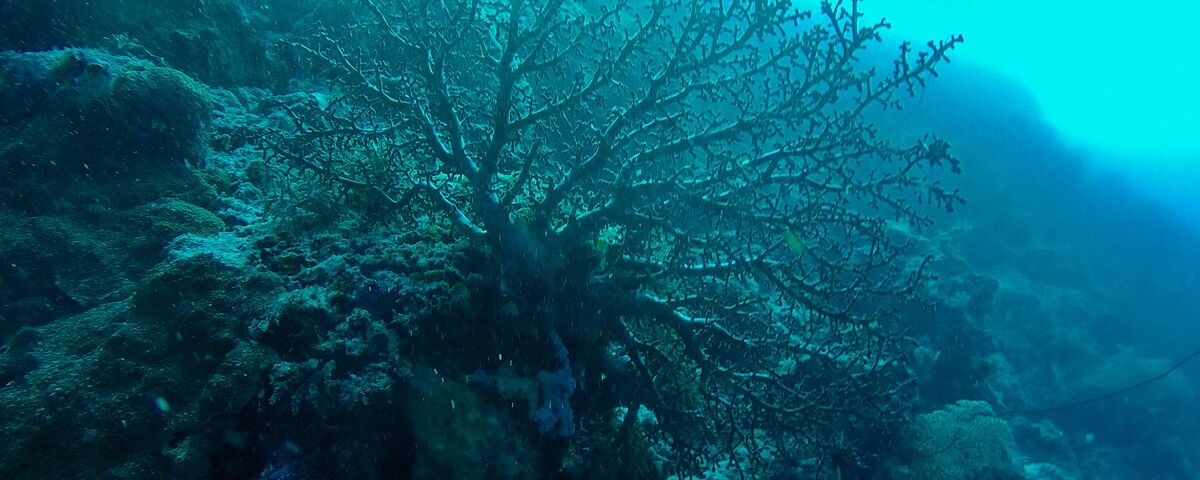
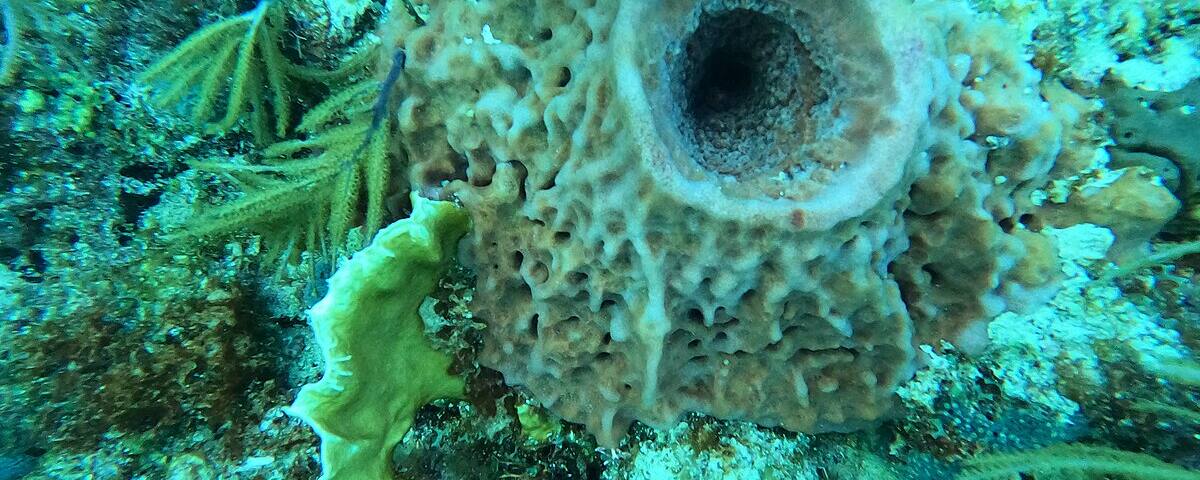
Takat means 'large coral head' in Indonesian, and the name is accurate. Takat Malang consists of a flat reef platform at 12 metres covered in massive barrel sponges, coral bommies, and sea fans, with slopes dropping away to 40 metres on the deeper sides. The topography feels more dramatic than most Gili sites, with gorges and channels cutting through the reef that you can swim between like underwater canyons.
Located in open water between Gili Air and Gili Meno, the site sits away from either island's coast, which gives it a wilder, more exposed character than the sheltered sites. The reef structure attracts both reef residents and passing pelagic species, making it one of the more unpredictable dives in the Gili Islands. You never quite know what might cruise past in the blue.
Takat Malang rewards patient divers who explore the reef platform methodically rather than rushing to the depths. The barrel sponges on the plateau are among the largest in the Gilis, some exceeding a metre in diameter, and the sandy bottom below the reef is home to impressive stingray populations and some of the densest garden eel colonies in the area. The channels between coral formations create natural pathways that make navigation feel like exploring a miniature underwater gorge system.
The site requires intermediate skills due to the depth, the open water location, and the moderate current that flows across the platform. It's not a difficult dive in good conditions, but the combination of variables means it's not suitable for brand-new divers either.
Marine Life at Takat Malang
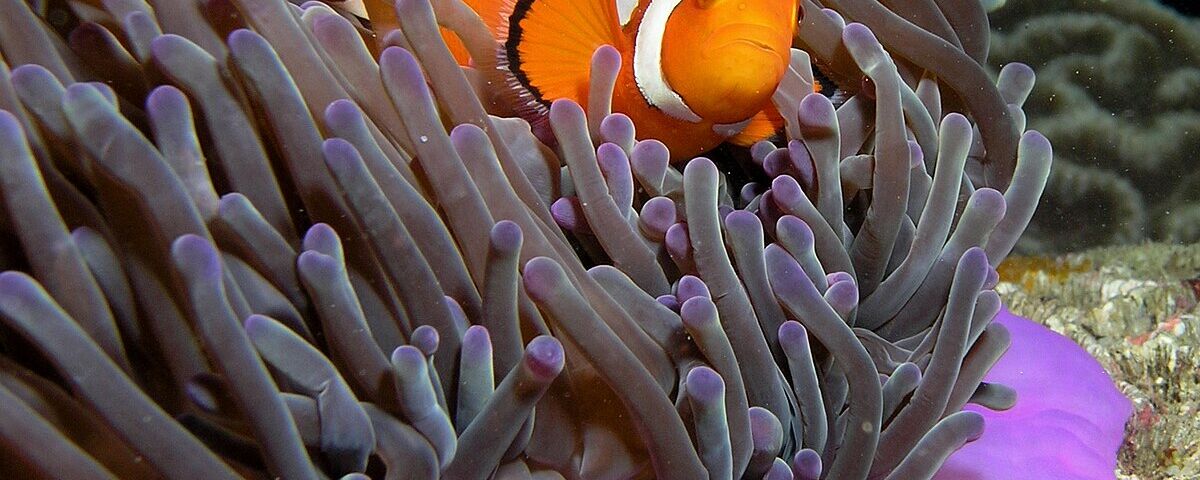
The reef platform at 12 metres hosts enormous barrel sponges and healthy gorgonian fans that spread across the current-facing surfaces. The flat area is dotted with coral bommies that attract schooling reef fish in dense aggregations, including snapper forming clouds, fusilier streaming past in silver ribbons, and surgeonfish grazing the reef surfaces. Anemonefish colonies sit on the platform edges, defending their territory against all comers regardless of size.
The sandy channels and slopes below the platform hold blue-spotted stingrays, Kuhl's stingrays (larger and less colourful than the blue-spotted variety), and extensive garden eel colonies. The garden eels at Takat Malang are among the densest in the Gili Islands, covering large areas of sandy bottom between the coral heads in their thousands. Watching them retract in a wave as you approach and then slowly re-emerge once you settle and remain still is oddly mesmerising and makes for excellent video footage.
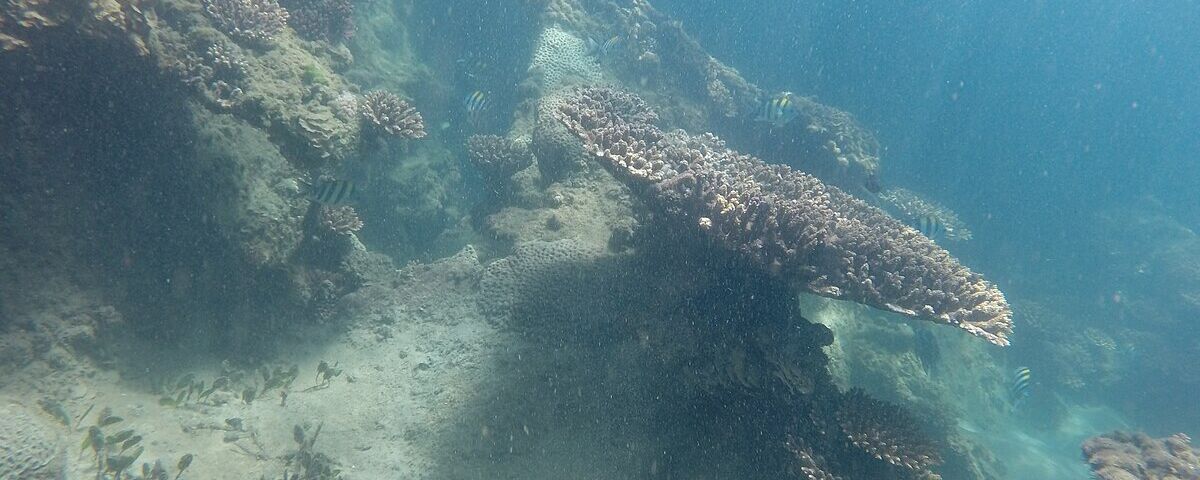
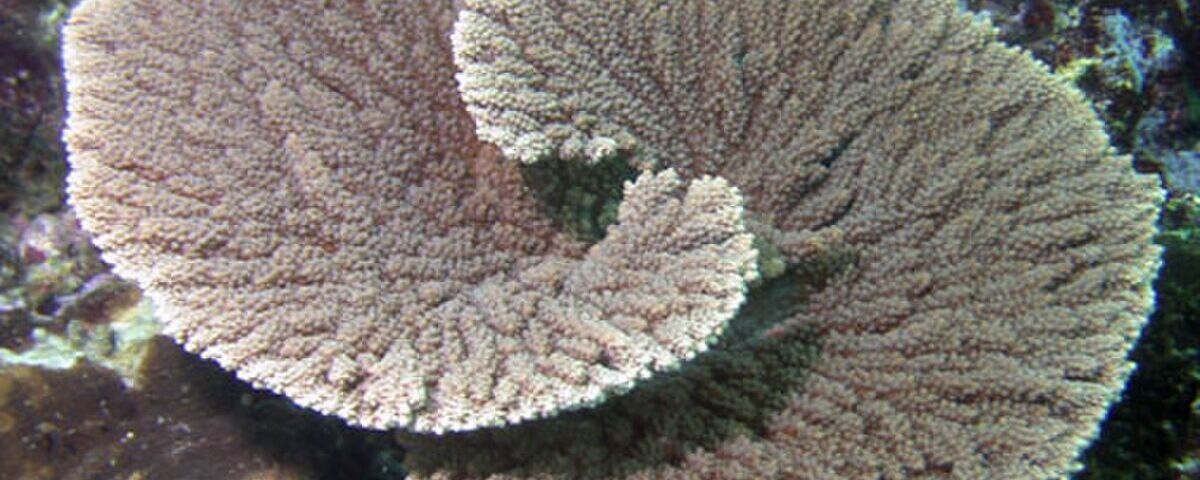
The deeper sections occasionally produce reef shark sightings, mostly white-tips cruising between the coral structures. Schools of batfish circle the larger mounds in groups of five to ten. Eagle rays have been spotted in the water column beyond the reef edge, though sightings are not frequent enough to plan around. The coral formations at depth have interesting overhangs and outcrops where lobsters shelter and large moray eels coil into crevices. Nudibranchs crawl across the coral surfaces, and the variety of hard coral species on the platform is impressive, with staghorn, table, brain, and plate corals all represented.
The reef platform has an interesting zonation: the windward (current-facing) edge has the largest gorgonians and barrel sponges, while the leeward side has more delicate coral growth and a higher density of small reef fish sheltering from the flow. Exploring both sides of the platform in a single dive reveals these differences clearly.
Dive Conditions
Takat Malang sits in open water between the islands, which means it catches more current than the sheltered coastal sites. Current is typically moderate and manageable for experienced divers, but it can strengthen unpredictably with tidal changes. The site is best dived when the tidal flow is moderate, providing a comfortable drift across the reef platform that delivers you to interesting features without requiring effort.
The shallow reef at 12 metres provides a natural depth for most of the dive, with excursions to the deeper slopes reserved for advanced divers. Maximum depth reaches 40 metres on the drop-offs, which is well into advanced territory and requires proper gas management and monitoring. The safety stop can be done on the reef platform itself, which provides a comfortable reference rather than hanging in open blue water.
Visibility is usually 10 to 20 metres, occasionally better when the water column is clear. Entry is by boat from Gili Air (about 10 minutes) or Gili Trawangan (about 15 minutes). The open water location means conditions can deteriorate faster than at sheltered sites, and operators will assess weather and current before committing to the dive.
Water temperature at the platform depth (12 metres) is typically 27 to 29 degrees, though the deeper slopes can be cooler if upwellings from the strait are active. The open water location means wave chop can affect the surface, making boat entry slightly rougher than at the sheltered coastal sites. This is not usually a problem but can be uncomfortable for divers who are prone to seasickness.
⚓ Divemaster Notes
Takat Malang is a site I take divers to when they want to see what Gili diving looks like beyond the standard tourist rotation. The reef platform has a different character from the coastal slopes, and the open water setting makes it feel more adventurous than diving next to an island's shoreline.
The gorges between the coral formations are the highlight for me personally. Swimming through the channels at 12 to 15 metres, with coral walls on either side and fish schooling overhead, is genuinely atmospheric. It's the closest thing the Gilis have to canyon diving, and the scale of some of the barrel sponges in these channels is impressive.
Stay on the platform for most of your dive rather than descending to the depths. The deep slopes are interesting but the platform at 12 metres has significantly better barrel sponge coverage, healthier coral, and the garden eel fields that extend from the platform edges. Going deep here mostly gives you sand and the occasional stingray, which is perfectly fine but not worth the reduced bottom time that depth imposes.
The garden eels here are the best in the Gilis for observation and photography. Approach very slowly at their level, settle onto the sand at a distance of at least 3 metres, and wait without moving. They'll re-emerge within a few minutes if you're patient and completely still. Moving towards them just makes them disappear, and you end up spending your dive watching an empty patch of sand. Frog kicks only. Flutter kicks in the sand here will destroy the experience.
The barrel sponges here are photographic subjects worth spending time on. Some are large enough to frame your entire camera field, and shooting them from below with the blue water above creates dramatic compositions. The interior of a barrel sponge is its own micro-habitat: shrimp, gobies, and other small animals shelter inside the sponge chamber, and a torch beam into the opening reveals residents you'd never see from the outside.
I pair Takat Malang with Simon's Reef for a two-dive morning that covers the best of the open-water sites between the islands. Both sites feel different from the coastal dives and together they make a convincing case for spending at least one day on the lesser-known Gili dive sites.
How to Get to Takat Malang
Takat Malang is in open water between Gili Air and Gili Meno, above Gili Meno's northern tip. Access is by dive boat from any of the three Gili Islands, with Gili Air operators having the shortest ride at about 10 minutes.
The Gili Islands are reached by fast boat from Bali (2 to 2.5 hours from Padang Bai or Serangan) or public boat from Bangsal on Lombok (15 to 20 minutes). Lombok International Airport is the closest airport, with road transfer to Bangsal taking about 2 hours.
The site is included in the regular rotation of most operators, though it may be swapped for a sheltered alternative when conditions are rough. It's more reliably scheduled during the dry season (April to November) when seas are calmer.
Gear Recommendations
Standard tropical gear. SMB for drift dive scenarios when current is running.
Nitrox useful if exploring the deeper slopes below the platform. Wide-angle lens for the reef topography, barrel sponges, and canyon swimthroughs.
Torch for checking overhangs and crevices where lobsters and morays shelter. A compact torch is helpful for examining the interior of barrel sponges, which harbour their own communities of shrimp, gobies, and other small residents that are invisible from outside.
Recommended Dive Operators
Oceans 5 on Gili Air includes Takat Malang regularly and times their dives well with the tidal patterns, choosing the window when current is moderate rather than slack or strong. Manta Dive Gili Air covers this site with guides who know the reef platform layout and can navigate efficiently to the best barrel sponge and garden eel areas.
Blue Marlin Dive runs it from all three islands with consistent quality. Trawangan Dive schedules it as part of multi-site days that cover the channel between the islands.
Liveaboard Options
Not a liveaboard destination. Day trip access from all three Gili Islands through local operators.
The open water location means conditions need to be checked on the day, making the flexibility of day-trip scheduling more suitable than a fixed itinerary.