Turtle Heaven Dive Site
Gili Islands, Indonesia · Near Gili Meno
Overview
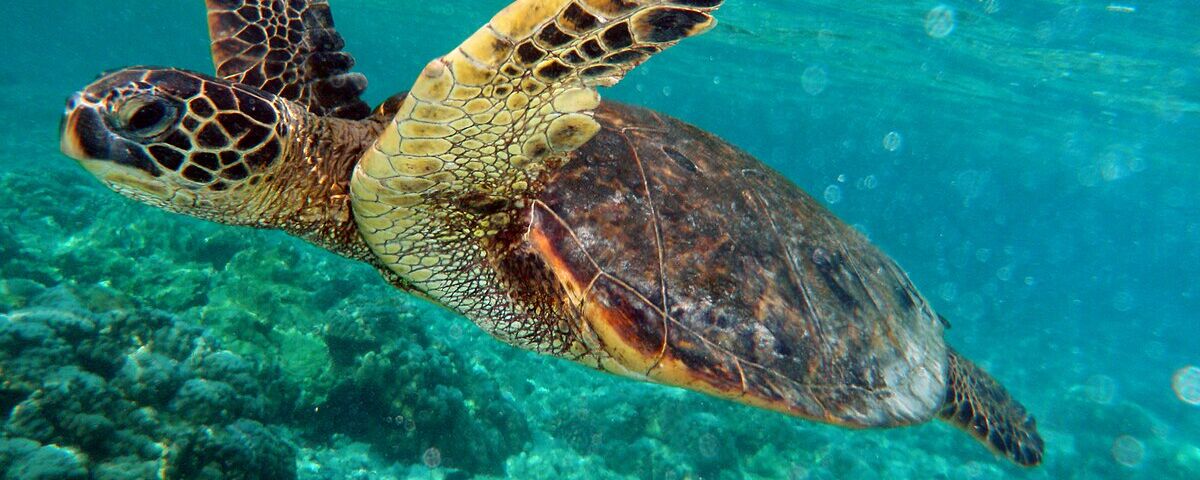
Fifteen turtles on a single dive. That's not a marketing number; that's a quiet Tuesday at Turtle Heaven. Located on the northeast side of Gili Meno, this site has the highest concentration of green and hawksbill sea turtles in the Gili Islands, and possibly one of the densest turtle populations you'll encounter anywhere in Indonesia outside of a handful of dedicated turtle conservation sites.
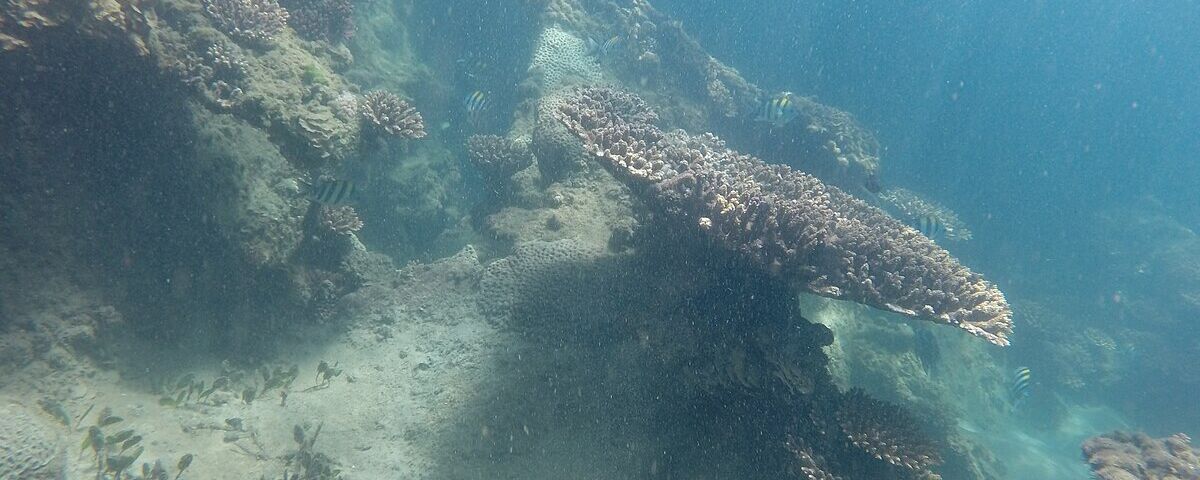
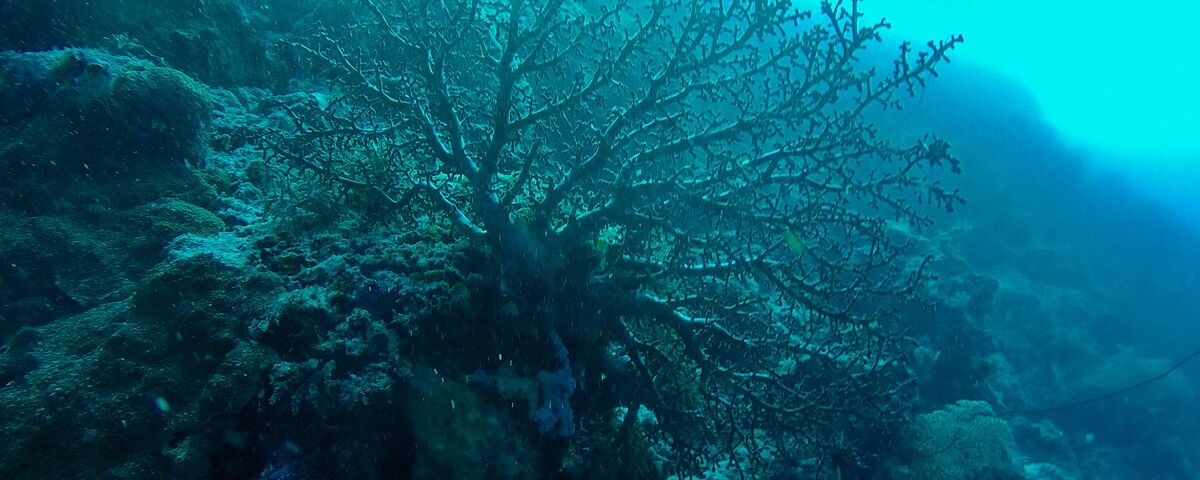
A central pinnacle rises from 30 metres to about 10 metres, covered in hard and soft corals that provide feeding and resting habitat. The pinnacle structure creates a natural gathering point for the turtles, and the animals here are thoroughly habituated to divers after years of gentle, regulated interaction. They don't flee. They barely acknowledge you. A large green turtle munching on coral two metres from your mask is a standard experience at Turtle Heaven, not a lucky encounter.
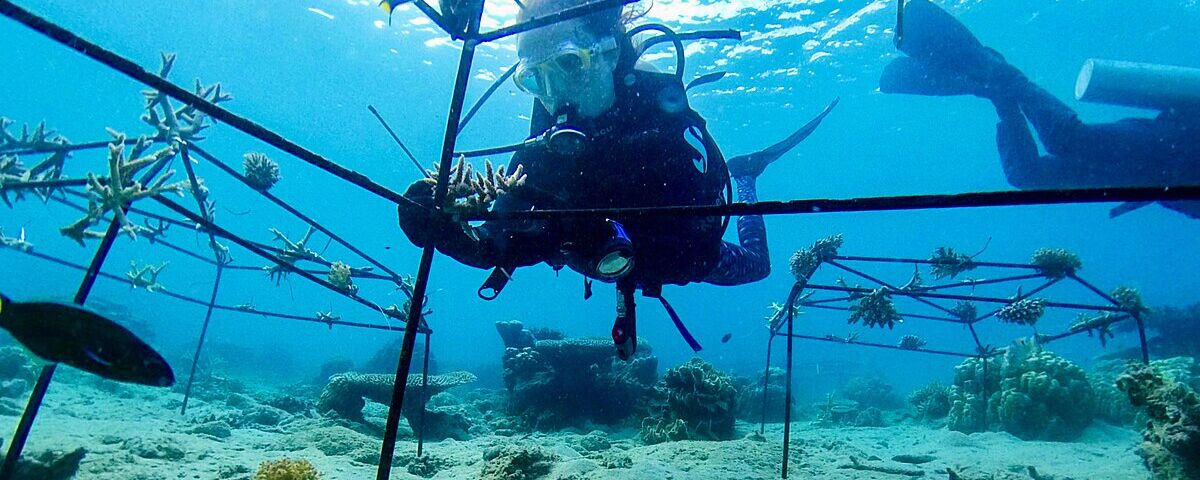
Turtle Heaven works for every certification level, which contributes to its popularity as the most-requested dive in the Gili Islands. Beginners stay on the upper pinnacle and slope above 15 metres, surrounded by turtles and reef fish in calm, warm water. Advanced divers can drop to the base at 30 metres to explore the deeper coral formations and look for macro life on the way down. The site also features coral propagation structures, part of the Gili Islands' ongoing reef restoration effort, which attract additional marine life to the area and provide an interesting educational element.
The name is not hyperbole. This is genuinely one of the best places in Southeast Asia for close, calm turtle encounters in comfortable diving conditions. If you dive the Gilis and skip Turtle Heaven, you've made a mistake.
Marine Life at Turtle Heaven
Green sea turtles dominate the scene. You'll see them resting on coral bommies with their flippers tucked, feeding on algae with methodical head movements, swimming between structures with the slow grace that makes them so appealing, and occasionally surfacing for air before gliding back down to their resting spot. Hawksbill turtles are less numerous but reliably present, identifiable by their narrower heads and overlapping shell plates that distinguish them from the green turtles' smoother shells. On a good dive, combined turtle counts exceeding 20 individuals are not unusual. I've had dives here where I stopped counting at 25.
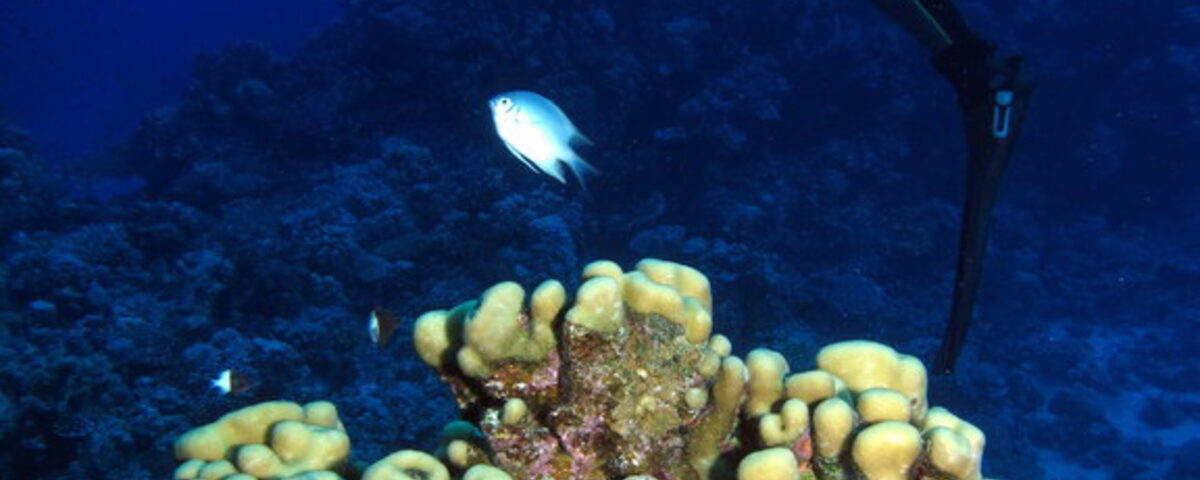
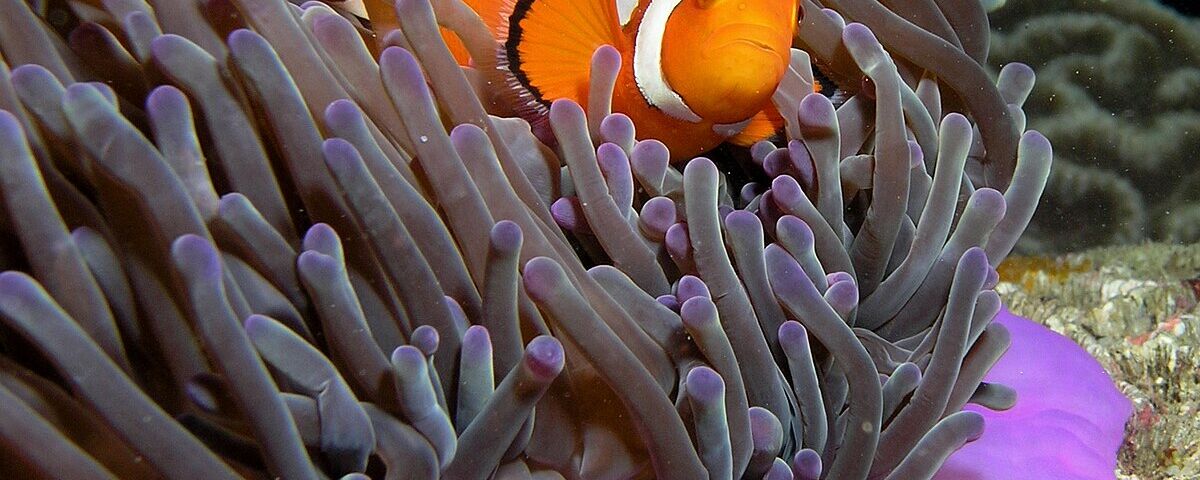
Beyond the turtles, the pinnacle hosts a diverse reef community that would make this a worthwhile dive even without the reptilian residents. Large lionfish hunt around the coral structures, their feathery fins spread wide. Leaf scorpionfish sit motionless on the reef surface, perfectly camouflaged in browns and reds that match the coral. Cuttlefish hover near the bommies, pulsing with colour changes. Clownfish colonies are well established across the site, with at least four or five species represented in their respective anemone hosts.
Macro enthusiasts will find nudibranchs on the pinnacle surfaces, pipefish hiding in the coral growth, and the occasional frogfish clinging to a bommie. Crustaceans occupy cleaning stations in the coral, including banded coral shrimp and various cleaner shrimp species. The deeper sections have gorgonian fans and soft coral gardens that add colour and texture to the dive. For a site known primarily for its large, charismatic animals, Turtle Heaven has surprisingly good small-life diversity that rewards divers who look beyond the turtles.
The cleaning stations on the pinnacle top deserve specific mention. Green turtles hover at the summit while wrasses and cleaner fish pick parasites from their shells, flippers, and skin. The turtles extend their necks and spread their flippers to give the cleaners access, adopting a posture that looks like complete surrender. Watching this interaction from a comfortable hover a few metres away is one of the most peaceful experiences in Gili diving. The cleaners are territorial and will service the same turtles repeatedly throughout the day, creating a cycle of activity around the pinnacle top.
Dive Conditions
Turtle Heaven is one of the easiest dives in the Gili Islands, which is part of its appeal for operators bringing mixed-ability groups. The site sits on Gili Meno's sheltered east coast, protected from the stronger currents and swells that affect the western and northern sites. Current is typically mild or absent, and the gradual slope from the shallows to the pinnacle makes depth management simple even for newer divers.
Visibility is usually 15 to 25 metres, occasionally reaching 30 metres on clear days when the channel water is particularly clean. Water temperature is a consistent 27 to 30 degrees year-round. The site is diveable in all seasons and all weather short of a significant storm, which makes it the Gilis' most reliable dive site for trip planning.
Entry is by boat, a quick 5 to 10 minute ride from Gili Trawangan or Gili Meno itself. Giant stride entry into calm water. The dive profile naturally follows the pinnacle, with most divers circling it at their chosen depth before ascending for a safety stop over the shallow reef top. The pinnacle provides a visual reference at all times, which is reassuring for less experienced divers who find open water disorienting.
⚓ Divemaster Notes
I've lost count of how many times I've dived Turtle Heaven, and it delivers every single time. The turtles are so reliable here that the only way to have a genuinely bad dive is if the visibility drops to nothing, which happens maybe twice a year during particularly heavy plankton blooms.
The key mistake I see repeatedly is divers chasing the turtles. You don't need to. This is not a site where turtle encounters require effort or pursuit. Pick a spot on the pinnacle, settle at your chosen depth, control your buoyancy so you're hovering motionless, and wait. The turtles will come to you. They're feeding and resting on the reef, following established patterns, and they'll approach within arm's reach if you're calm and still. Chasing them achieves nothing except making them swim away and ruining the experience for your entire group.
For photographers, the trick is to position yourself slightly below a resting turtle and shoot upward with natural light behind it. The silhouette shots from Turtle Heaven are some of the most iconic images in Gili Islands diving, appearing in magazines and on social media constantly. Morning light is best for this technique, with the sun at a low enough angle to create atmosphere in the water column.
The coral propagation structures are worth a few minutes of attention on your dive. You can see at various stages how bare metal frames develop into living reef over the years. The older structures are now essentially indistinguishable from natural reef, covered in healthy coral and hosting their own fish communities. It's a tangible demonstration that the restoration programme works.
Honestly, this is not the site for adrenaline. If you want current, depth, and drama, go to Deep Turbo or Halik. Turtle Heaven is about calm, close encounters with beautiful animals on a healthy reef, and it does that better than anywhere else in the Gili Islands. Know what you're signing up for and you'll love it.
How to Get to Turtle Heaven
Turtle Heaven is on Gili Meno's east coast, accessed by dive boat from any of the three Gili Islands. From Gili Trawangan, the boat ride is about 5 to 10 minutes across the narrow channel. From Gili Air, slightly longer at 10 to 15 minutes. From Gili Meno itself, the boat ride is under 5 minutes.
The Gili Islands are reached via fast boat from Bali (2 to 2.5 hours from Padang Bai or Serangan harbour) or public boat from Bangsal on Lombok (20 minutes). Lombok International Airport is the nearest airport, with road transfers to Bangsal taking approximately 2 hours.
Almost every dive operator across the three islands includes Turtle Heaven on their regular schedule. It's often the first dive recommended to visitors and the most requested site overall, so booking is rarely an issue. During peak season (July and August), the site can have multiple groups in the water simultaneously, though the pinnacle is large enough to absorb the traffic without feeling crowded.
Gear Recommendations
Standard tropical setup. Camera with wide-angle lens for turtle portraits, silhouette shots, and capturing the pinnacle structure.
No special gear needed; the easy conditions make this a relaxed dive that doesn't require technical equipment. Torch useful for checking crevices and illuminating lionfish under overhangs but not essential for the main turtle encounters.
Recommended Dive Operators
Blue Marlin Dive has centres on all three islands and runs Turtle Heaven daily from each location. Their Gili Meno branch is closest and reaches the site fastest, which means more time in the water and less time on the boat. Trawangan Dive from Gili Trawangan pairs Turtle Heaven with other Gili Meno sites (Bounty Wreck, Meno Wall) for efficient dive days that explore different Gili Meno environments.
Oceans 5 on Gili Air offers good access and keeps group sizes to six divers per guide, which makes for a calmer experience on a popular site. Manta Dive Gili Air is another solid option for reaching the site from the eastern island.
Liveaboard Options
Not a liveaboard destination. Day trip access from all three Gili Islands through local dive operators.
The easy conditions and guaranteed marine life make this the most reliable dive in the Gilis for visitors with limited dive days.