Dive Sites in Bali, Indonesia
19 dive sites in Bali
Bali's diving spans three distinct zones: the famous USAT Liberty wreck and black sand macro at Tulamben, pristine walls at Menjangan, and oceanic mantas and mola mola at Nusa Penida. Direct international flights to Ngurah Rai make it Indonesia's easiest dive destination to reach. Browse all Bali dive sites below.
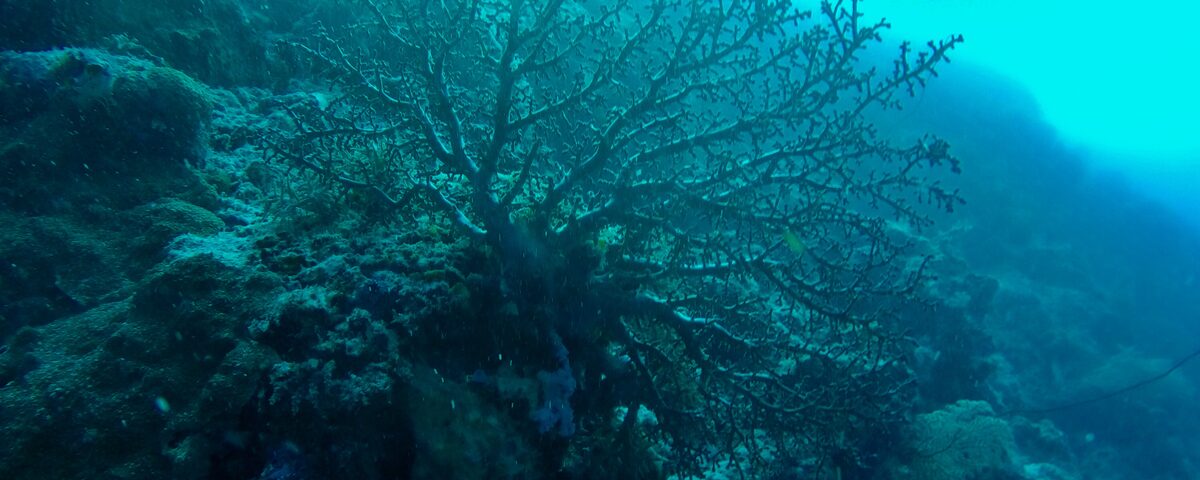
Amed is a string of fishing villages along Bali's east coast, south of Tulamben. The Amed Wall runs along the coast in front of the village of Jemeluk...
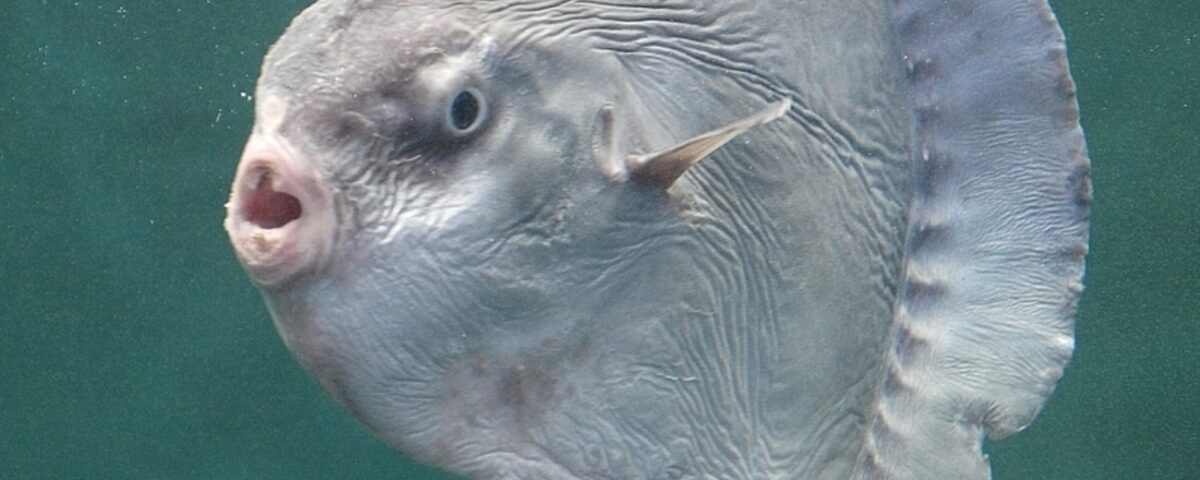
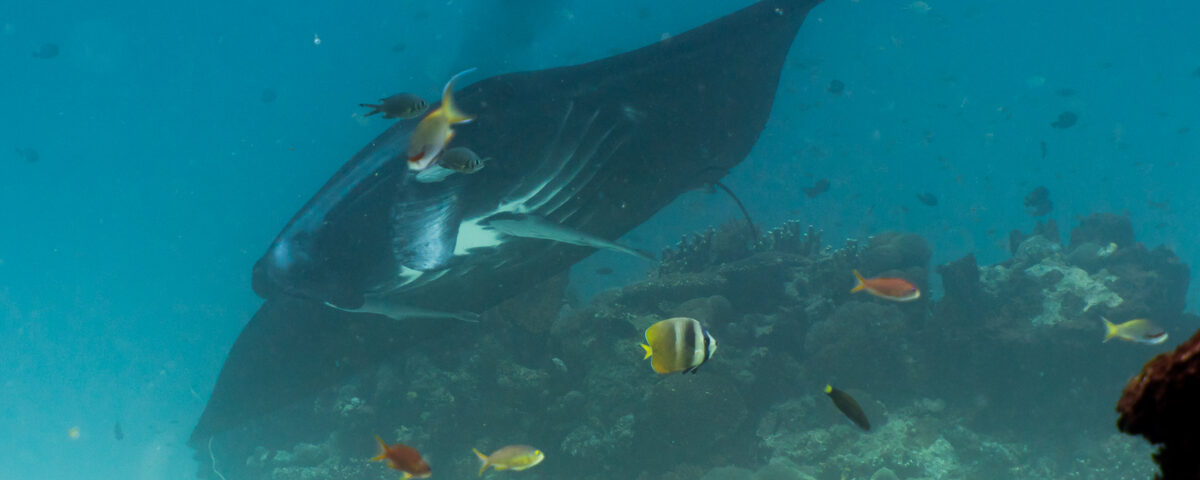
Crystal Bay is the most famous dive site on Nusa Penida island, known primarily as one of the few places in the world where you can reliably encounter...
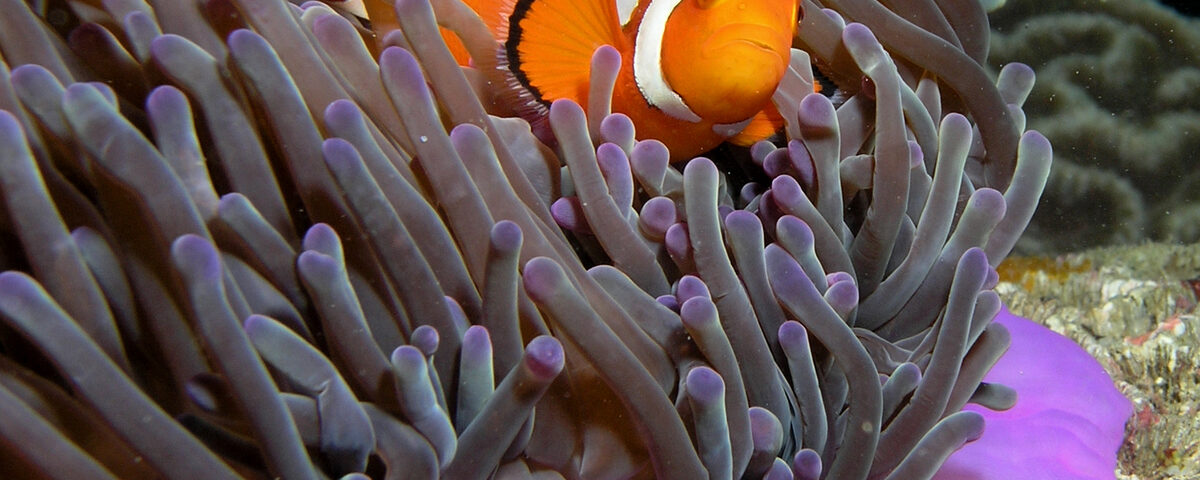
Gamat Bay is a small, sheltered cove on the west coast of Nusa Penida, near Crystal Bay. A healthy reef slopes gently from the shallows to about 18 me...
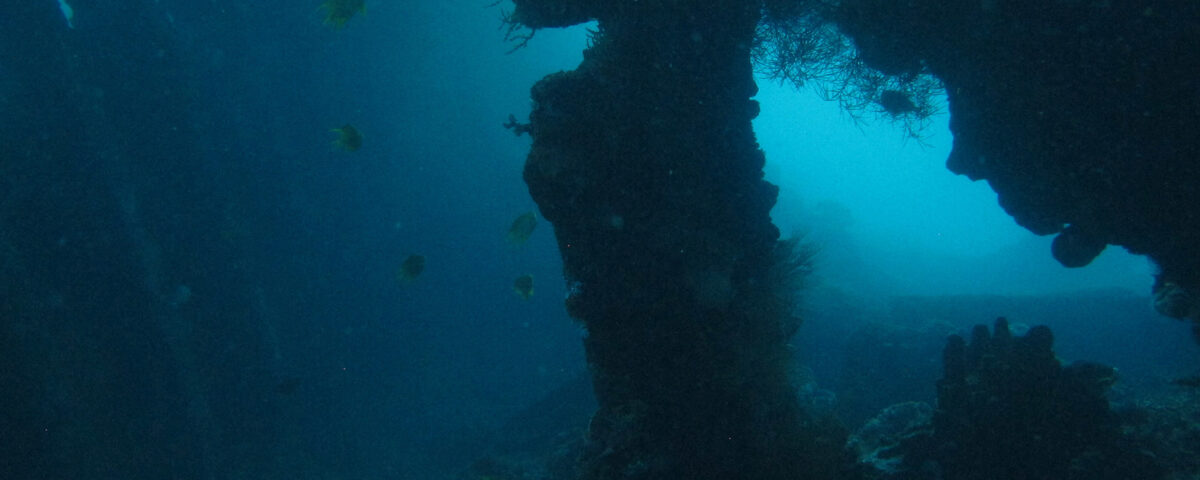
A small Japanese patrol boat wreck sitting in 5-15 metres of water off the coast of Amed's Lipah Bay. The wreck is compact — roughly 20 metres long — ...
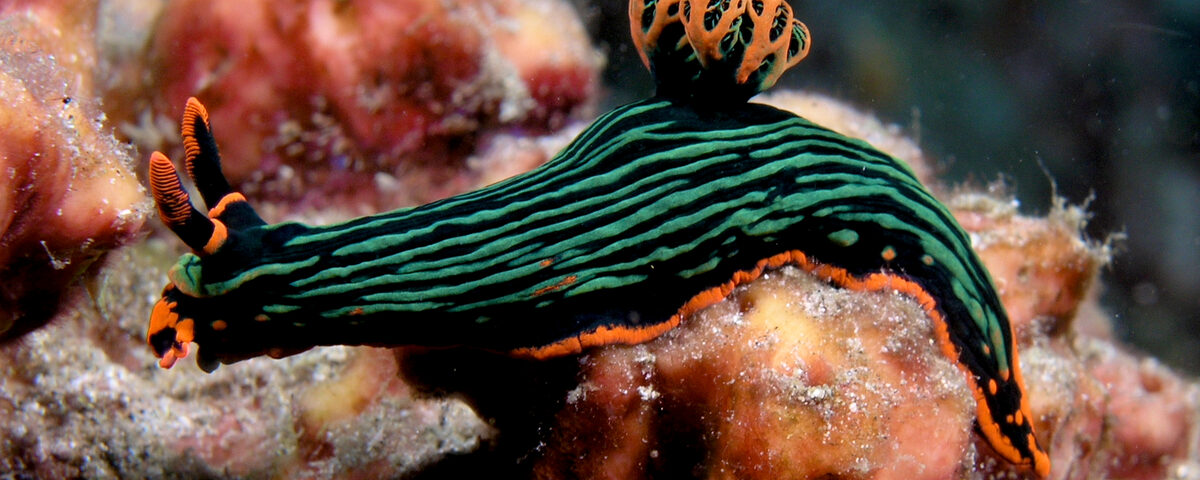
Kubu is a small village between Amed and Tulamben on Bali's northeast coast. The reef here is a gentle black-sand slope with healthy coral formations ...
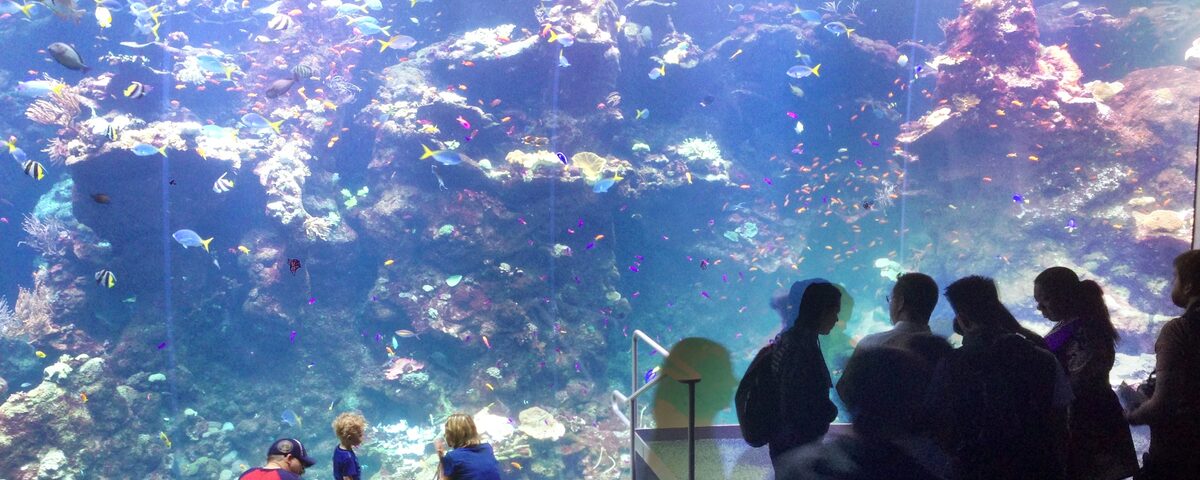
Menjangan Island sits in the West Bali National Park, about 30 minutes by boat from Pemuteran on Bali's northwest coast. It offers some of the best wa...
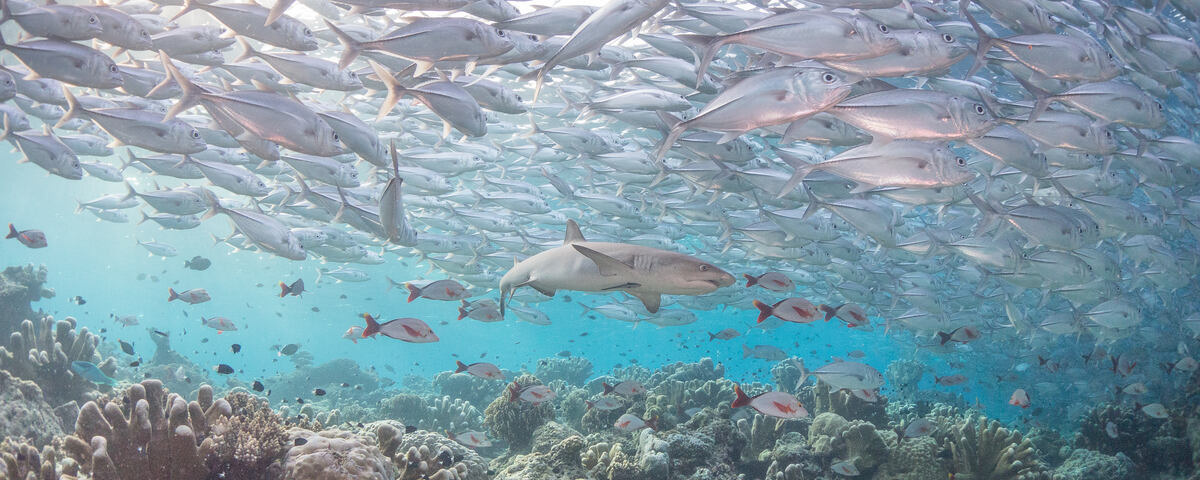
Mimpang (also called Batu Tiga — Three Rocks) consists of three rocky pinnacles jutting from the water between Candidasa and Nusa Penida. Like its nei...
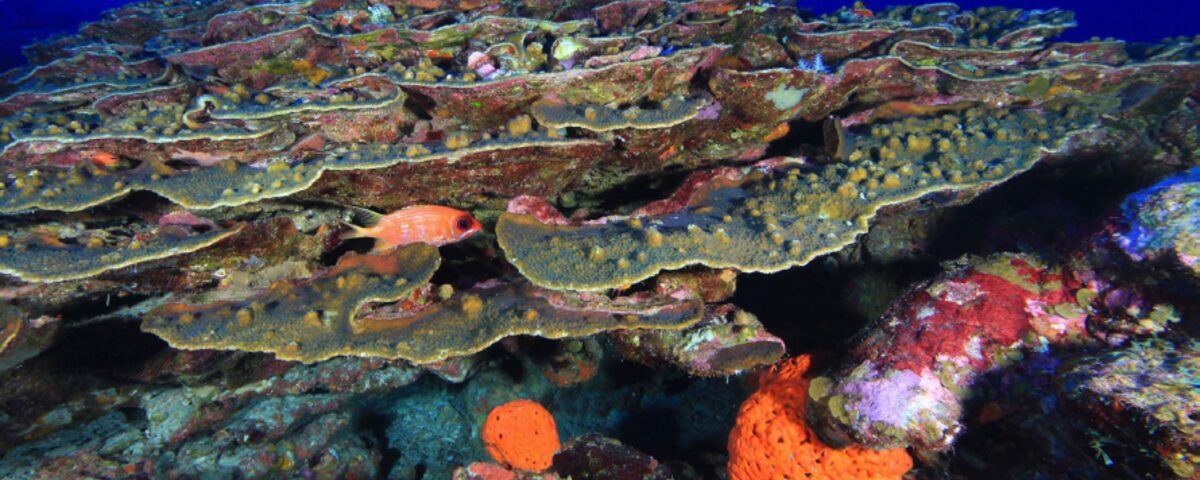
Mangrove Point is a drift dive site in the channel between Nusa Lembongan and Nusa Ceningan, two small islands southeast of mainland Bali. Nutrient-ri...
SD Point (named after the primary school — Sekolah Dasar — on the cliff above) is a drift dive along the north coast of Nusa Penida. A coral-covered s...
Sental is a reef dive on the north coast of Nusa Penida, east of Toyapakeh. A gentle coral slope with scattered bommies and sandy patches extends from...
Blue Lagoon is a small bay just east of Padang Bai harbour, one of the most popular easy dive sites on Bali's east coast. A shallow reef slopes gently...
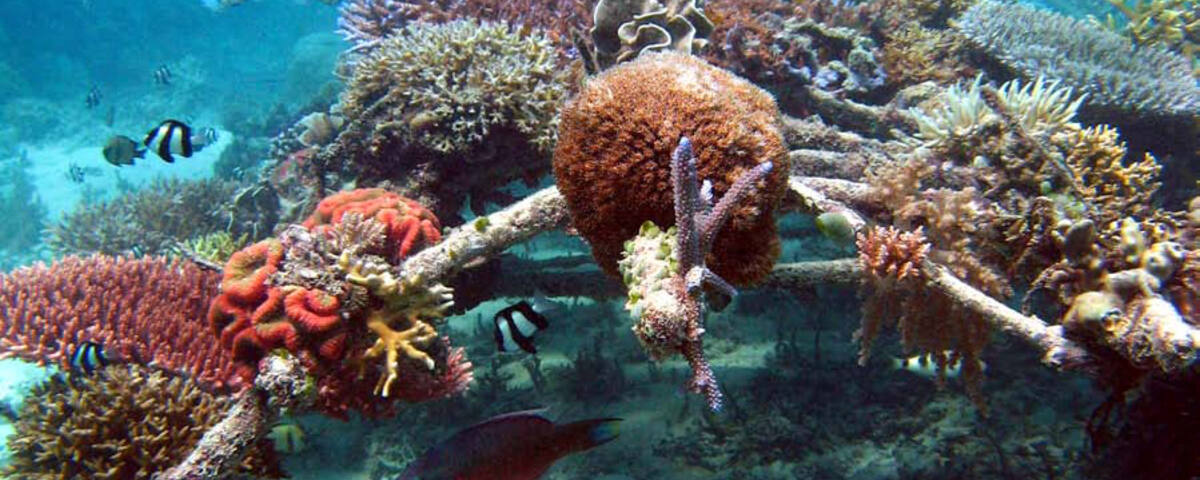
Pemuteran Bay on Bali's northwest coast is home to the world's largest Biorock coral reef rehabilitation project. Metal structures on the seabed are e...
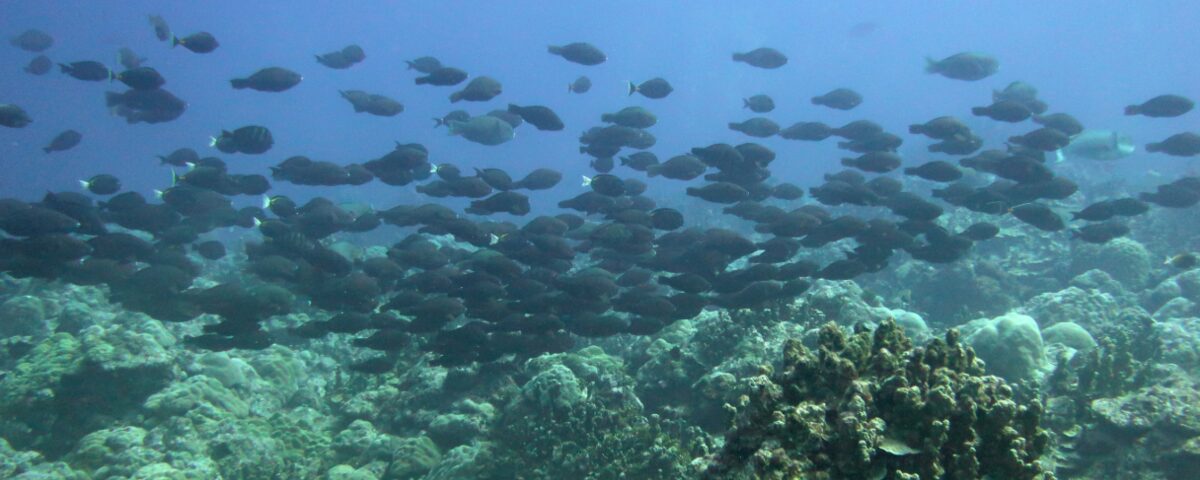
Sanur Reef is the house reef accessible from Sanur beach on Bali's southeast coast. A shallow, easy reef that stretches along the coastline, mostly us...
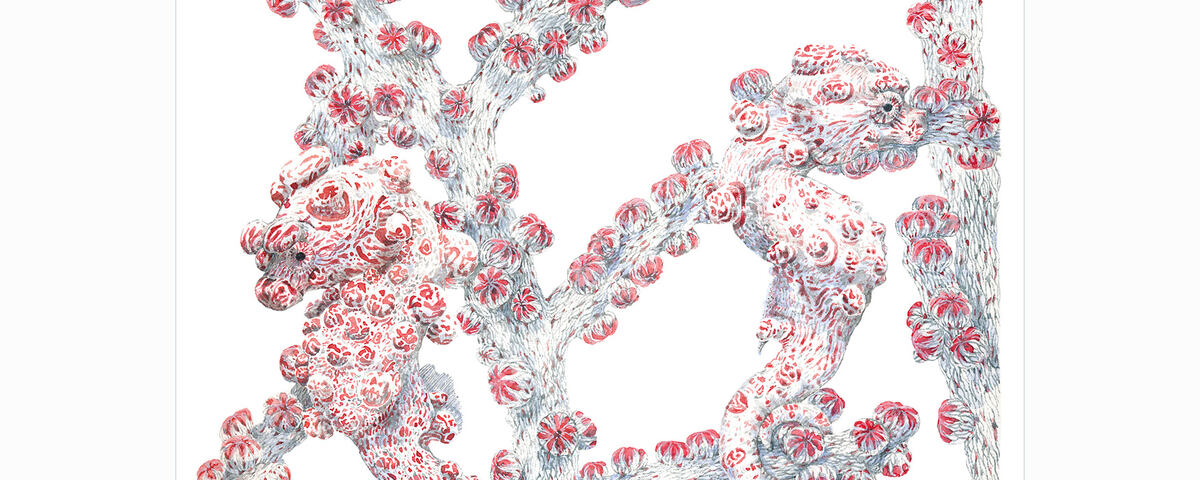
Secret Bay in Gilimanuk, at the far western tip of Bali, is the island's premier muck diving destination. A shallow bay with a sandy and silty bottom ...
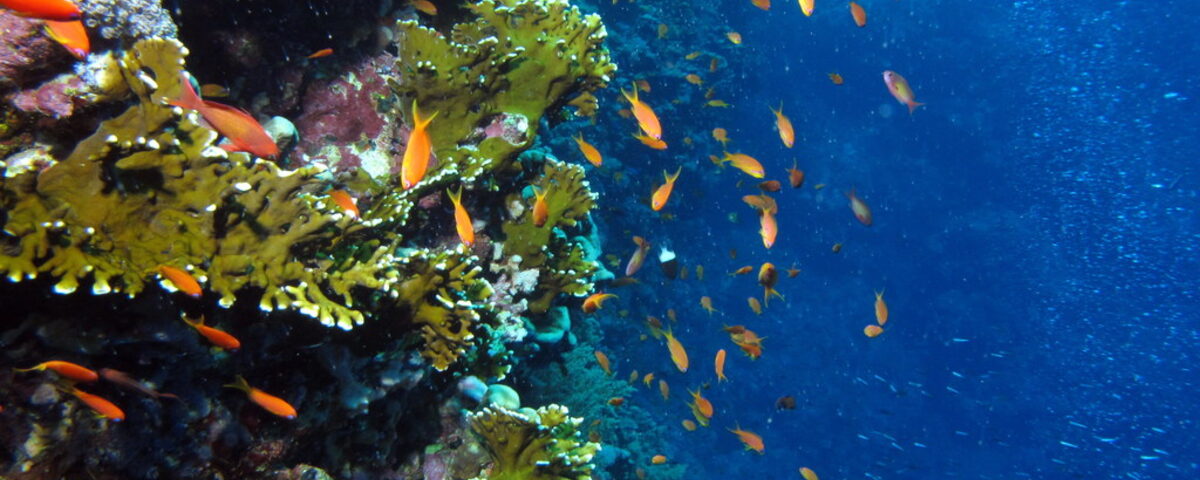
Tepekong is a small rocky island off the coast of Candidasa in east Bali, offering some of the most challenging and rewarding diving on the island. Th...
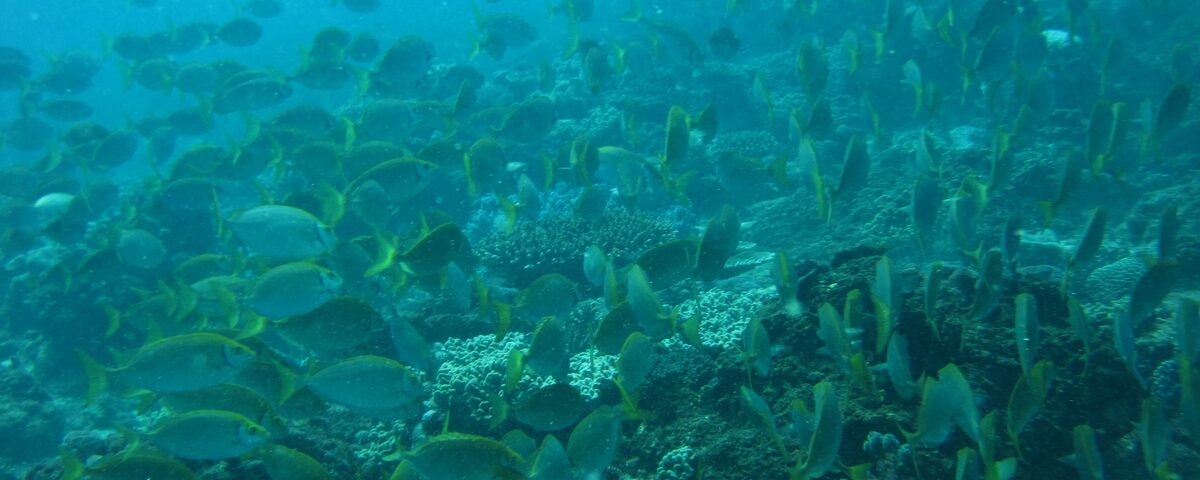
Toyapakeh is the main harbour area on Nusa Penida's north coast, and the reef just offshore is one of the most accessible dive sites in the Nusa Penid...
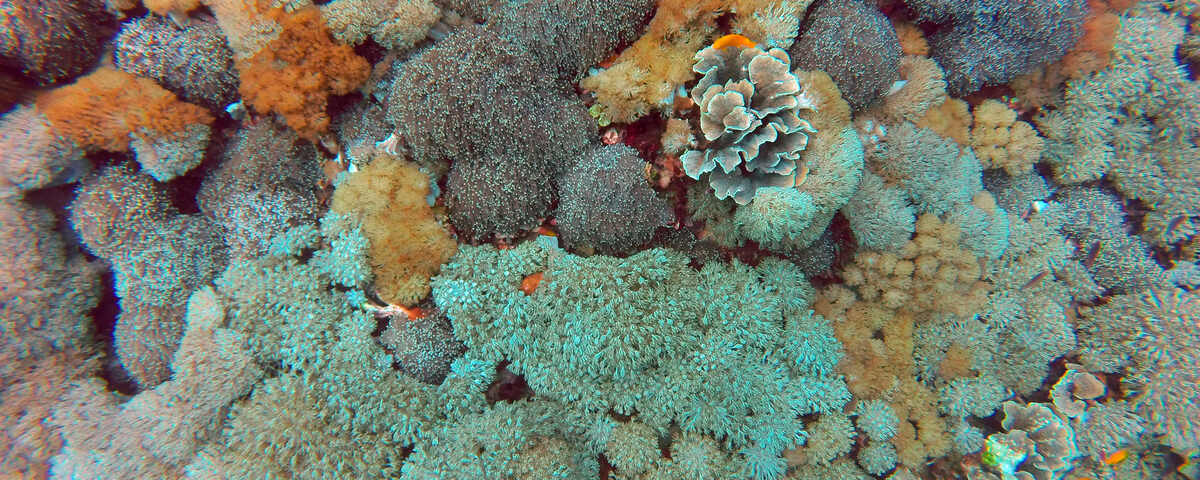
The Coral Garden is the shallow reef west of the USAT Liberty wreck, offering a gentle dive perfect for beginners, Open Water students, and snorkeller...
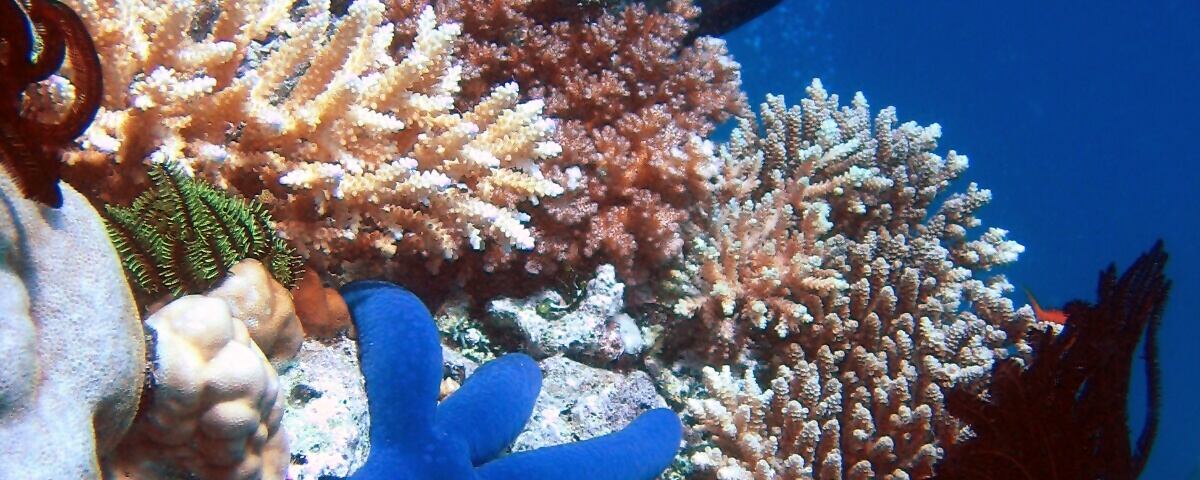
The Tulamben Drop Off is the wall dive just east of the USAT Liberty wreck. While the wreck gets all the attention, the Drop Off is arguably the bette...
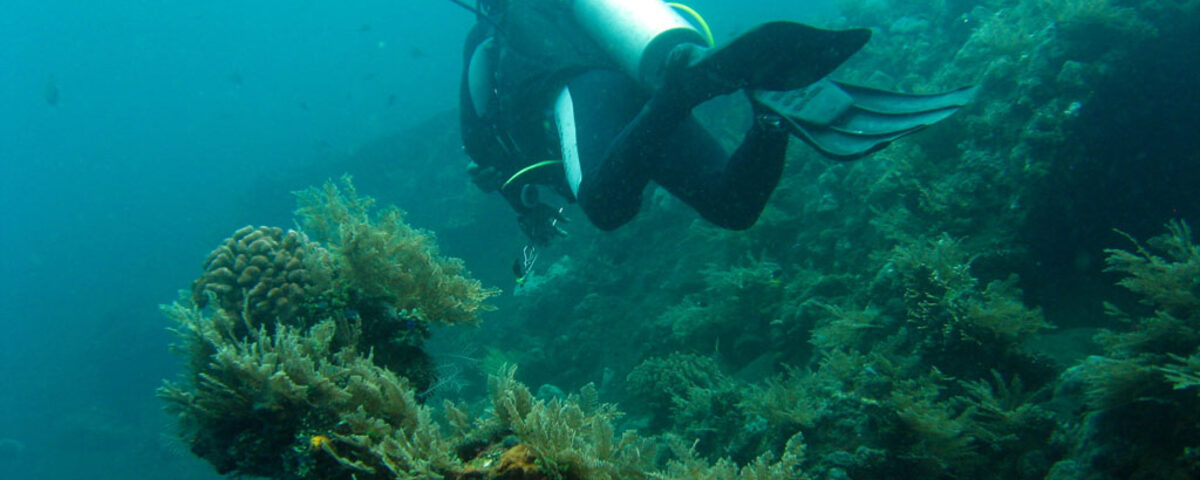
The USAT Liberty is a United States Army Transport ship that was torpedoed by a Japanese submarine in 1942 and beached on the shore of Tulamben. The 1...
Most divers know Bali for the USAT Liberty, a 120-metre cargo ship torpedoed in 1942 that now sits in the shallows off Tulamben, covered in soft corals and swarming with sweetlips, bumphead parrotfish, and the occasional reef shark. It's arguably the most famous dive in Indonesia, and it's a shore entry. That combination of world-class diving and zero-hassle access is what makes diving in Bali the default starting point for the region.
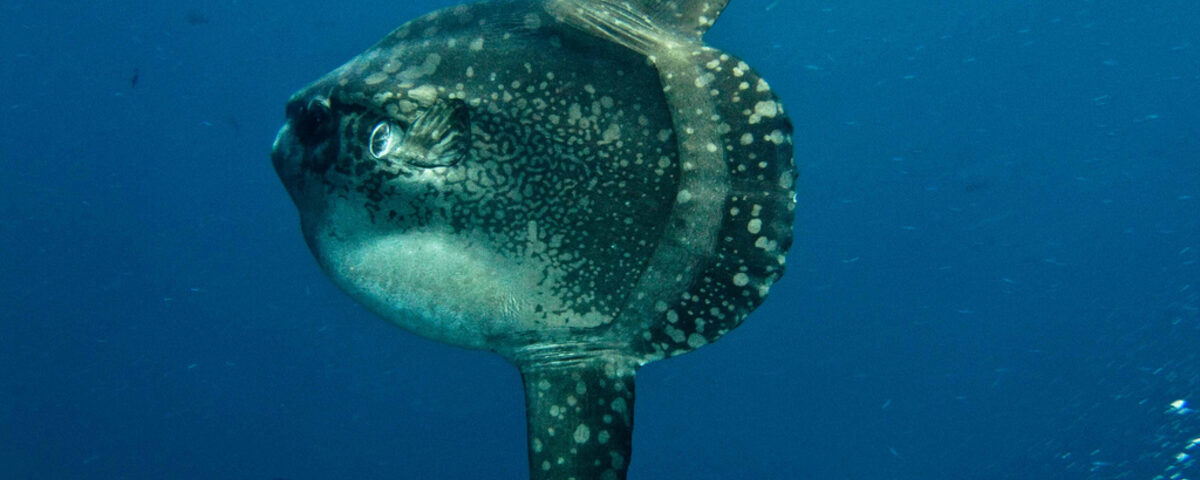
But the island offers far more than one wreck. The geography splits into three distinct zones. The east coast (Tulamben and Amed) features black volcanic sand slopes with exceptional macro life and the Liberty wreck. The north coast (Menjangan Island and Pemuteran) has pristine wall diving and excellent visibility, often exceeding 30 metres. The south coast (Nusa Penida and Nusa Lembongan) brings the big stuff: oceanic manta rays at cleaning stations, and between July and October, the bizarre ocean sunfish (mola mola) that migrate through the cold upwellings.
Access couldn't be simpler. Ngurah Rai International Airport receives direct flights from across Asia, Australia, and the Middle East. Tulamben is roughly 2.5 hours northeast by car. Nusa Penida is a 30-minute fast boat from Sanur.
Conditions vary by location and season. The dry season (April to October) generally offers the best visibility. South coast sites around Nusa Penida can have strong currents and cold thermoclines dropping to 18°C, so those dives suit intermediate and advanced divers. The north and east coasts are calmer and suit all levels, including Open Water students on their first ocean dives.