Dive Sites in Gili Islands, Indonesia
17 dive sites in Gili Islands
Three small islands off Lombok with relaxed reef diving and a resident turtle population that borders on absurd. Shallow sites, mild currents, and affordable courses make the Gilis one of Indonesia's top spots for newer divers, while deeper walls bring reef sharks for the experienced. Browse all Gili Islands dive sites below.
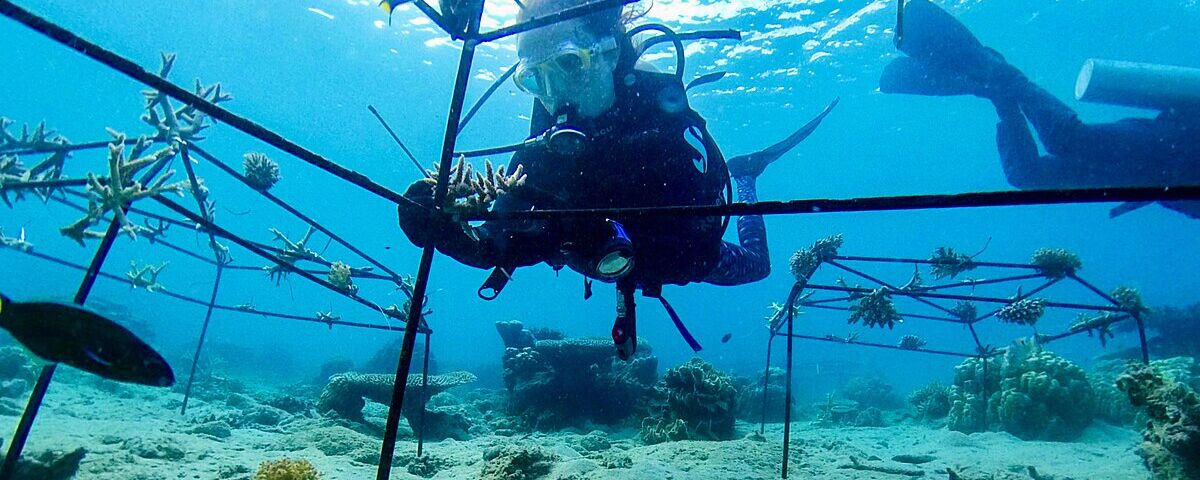
Over 120 Biorock structures sit in the waters around the Gili Islands, and the densest concentration is on the east side of Gili Trawangan at a site s...
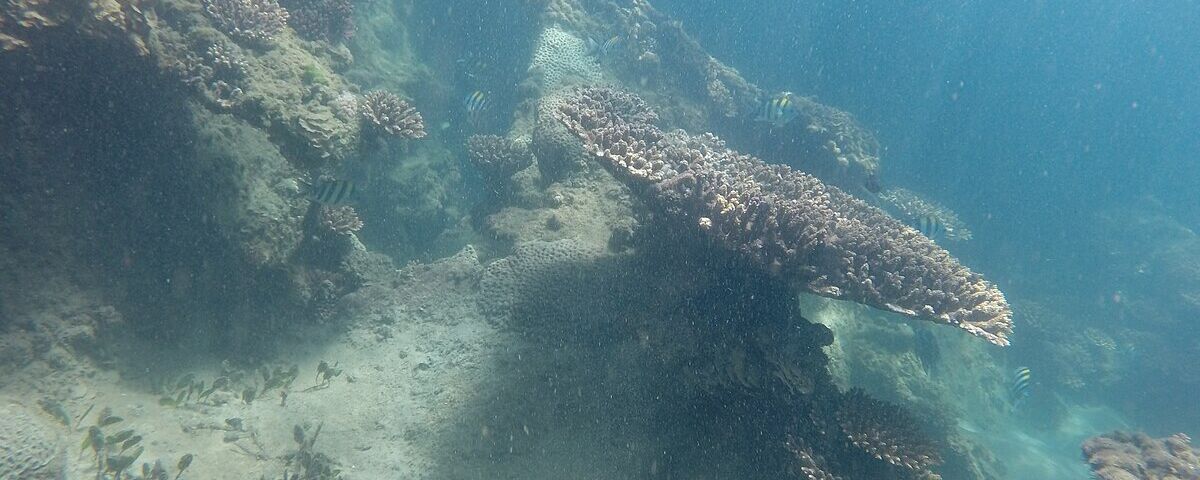
A floating dock that sank during a storm in 1999 has become one of the Gili Islands' most photogenic dives. The Bounty Wreck sits on a slope off the w...
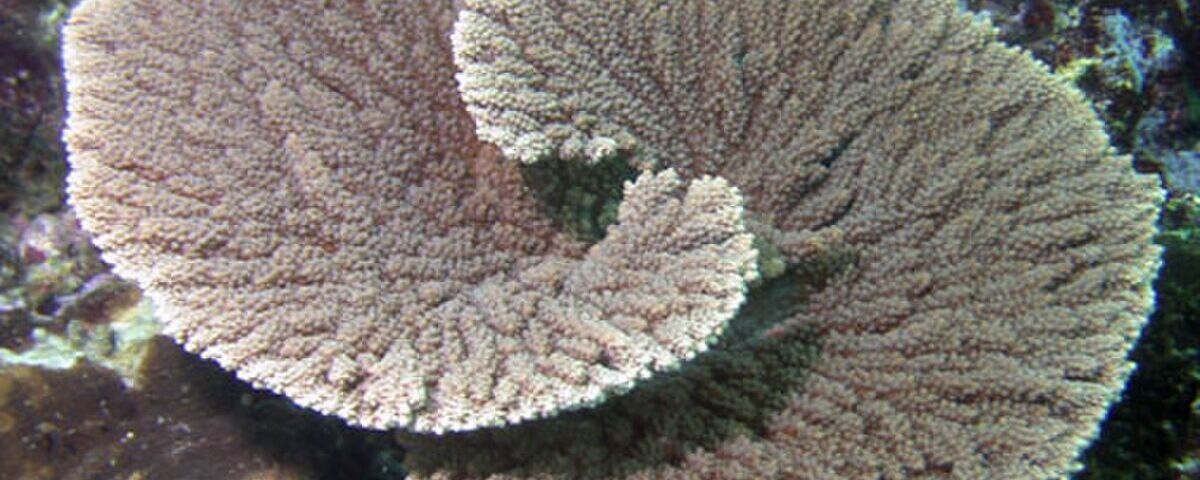
Coral Basket takes its name from the dense coral formations in the shallows that resemble woven baskets, creating intricate structures between 5 and 1...
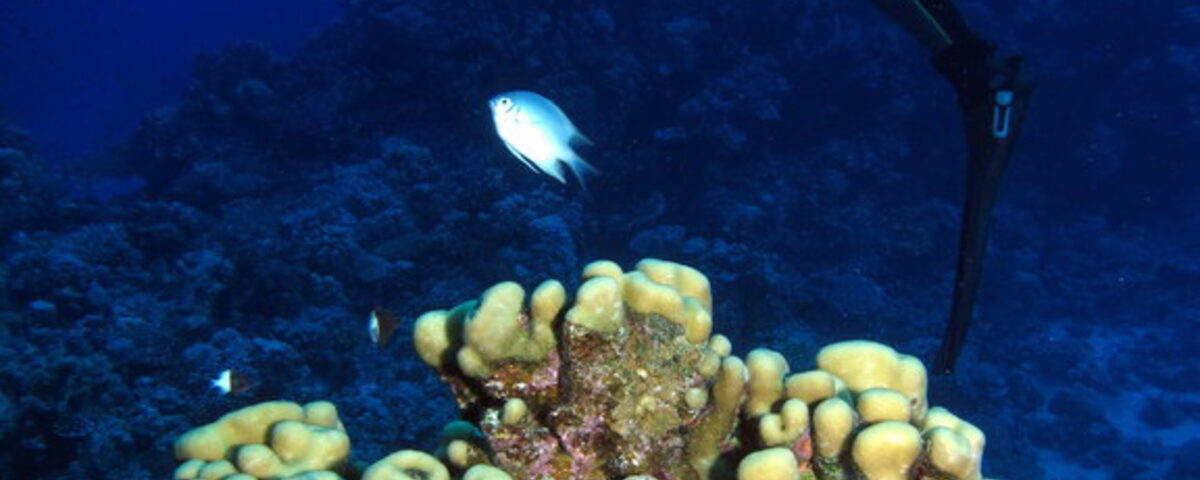
Dropping into Deep Turbo feels like flying over an alien planet. You roll off the boat into blue water, descend through open ocean with nothing below ...
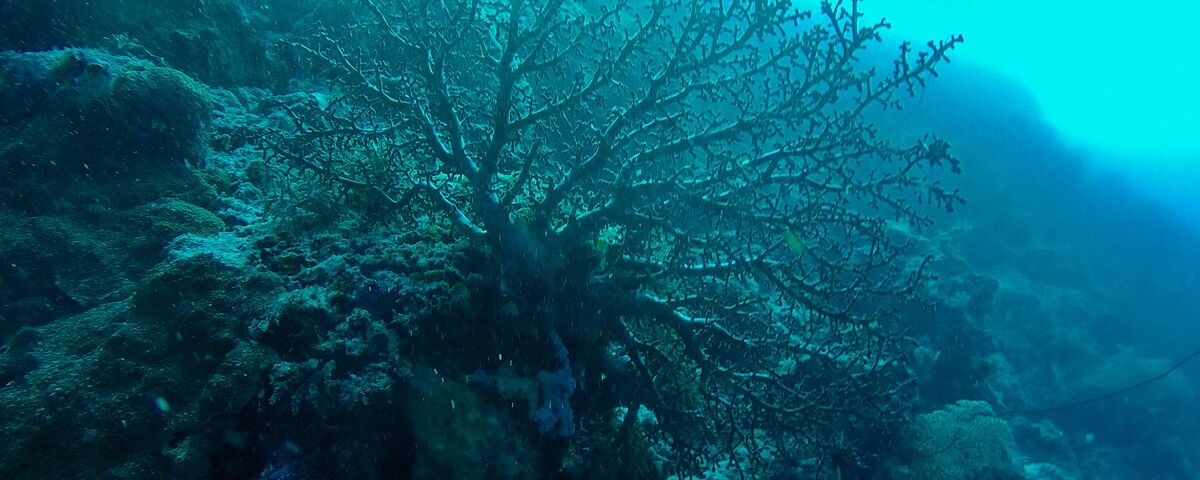
The only proper wall dive on Gili Air's coast drops from 8 metres to 30 metres in the channel between Gili Air and Gili Meno. It's a vertical reef fac...
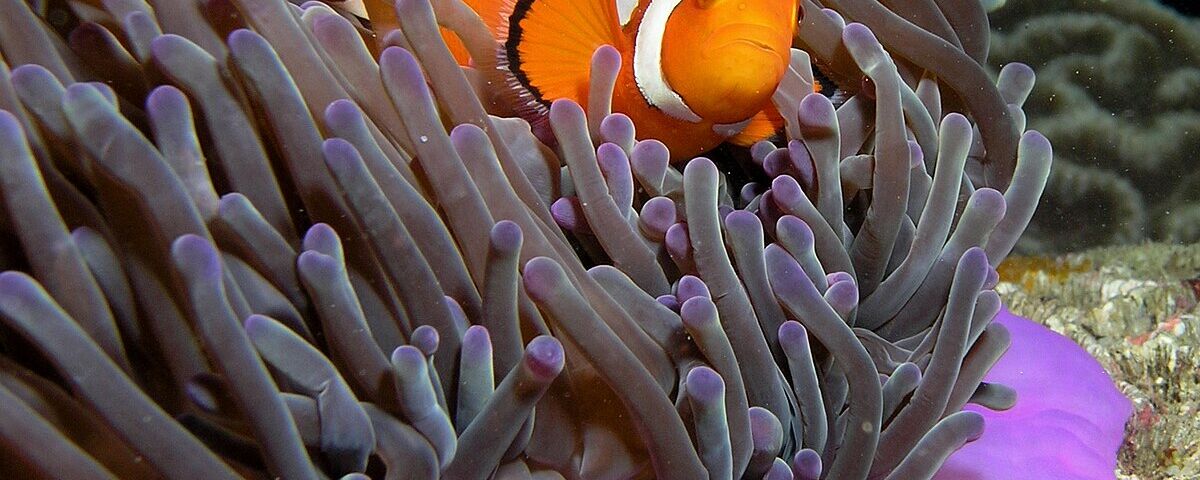
Good Heart is the house reef for several Gili Trawangan dive operators, and house reefs in the tropics don't get much better than this. A coral slope ...
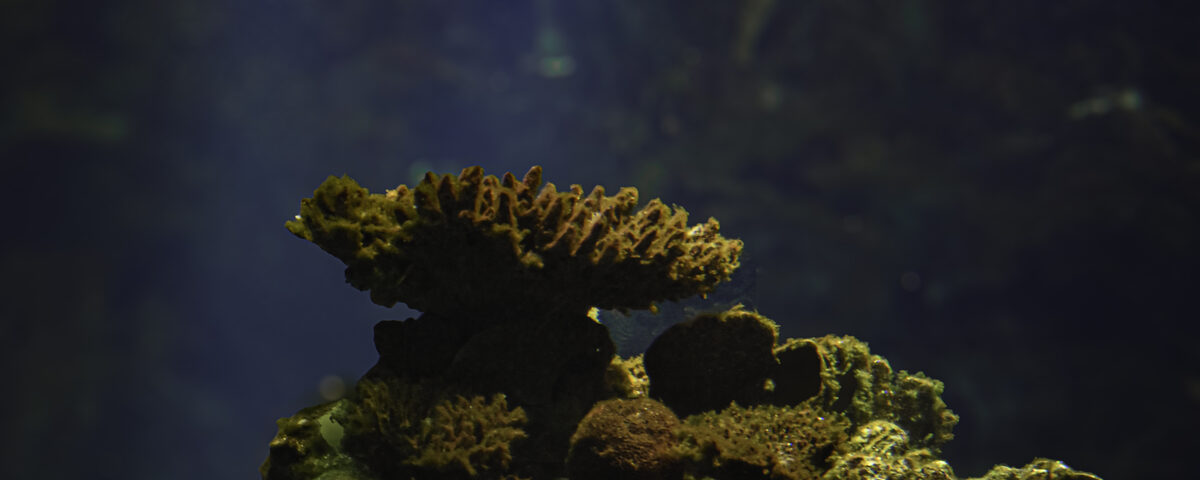
Halik Reef is where the drift diving in the Gili Islands is at its best. Located on the north side of Gili Trawangan, the site catches the tidal curre...
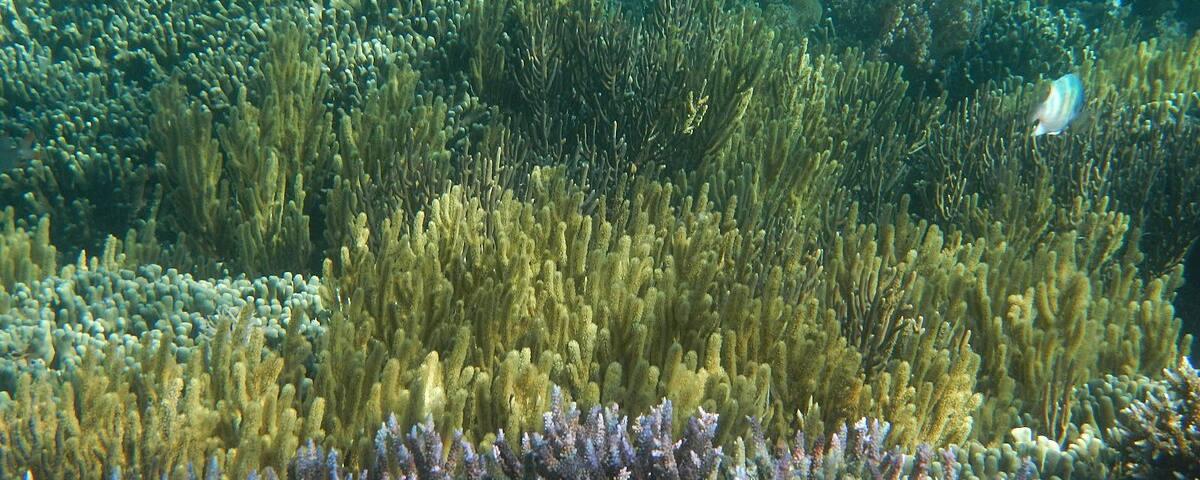
Harlequin shrimp live on Hans Reef. For critter hunters and macro photographers, that single fact is enough to make this site a priority over every ot...
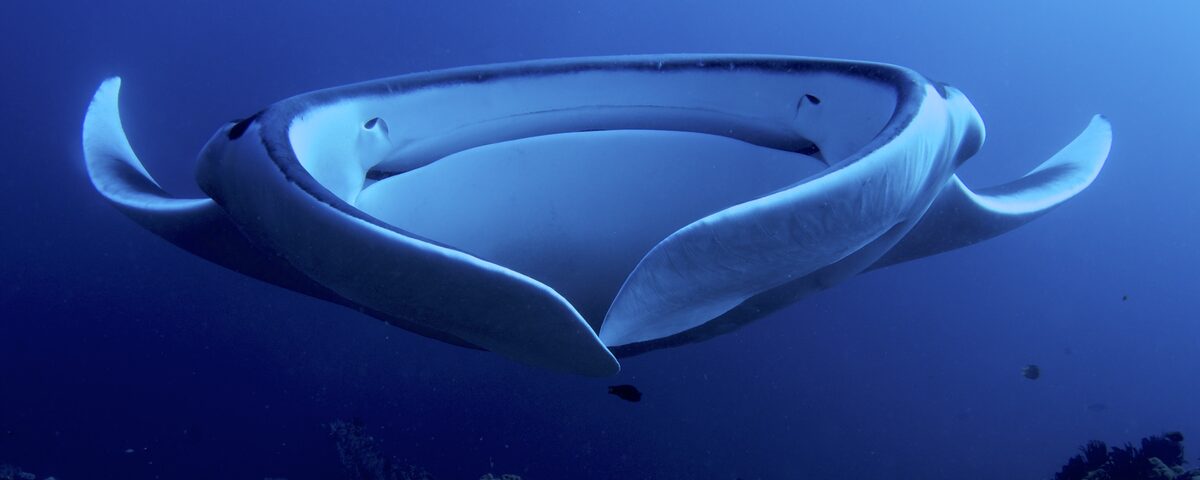
Pink cabbage coral covers the reef at Manta Point like an underwater garden, swaying in the surge while devil rays and eagle rays cruise overhead duri...
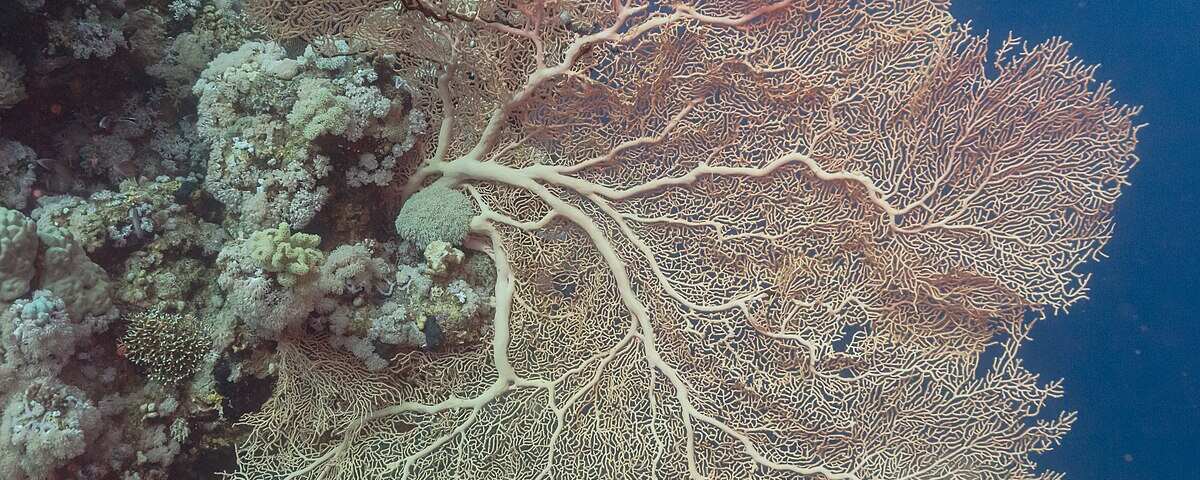
Hawksbill turtles are the speciality at Meno Slope, which is unusual for the Gili Islands where green turtles typically outnumber their hawksbill cous...
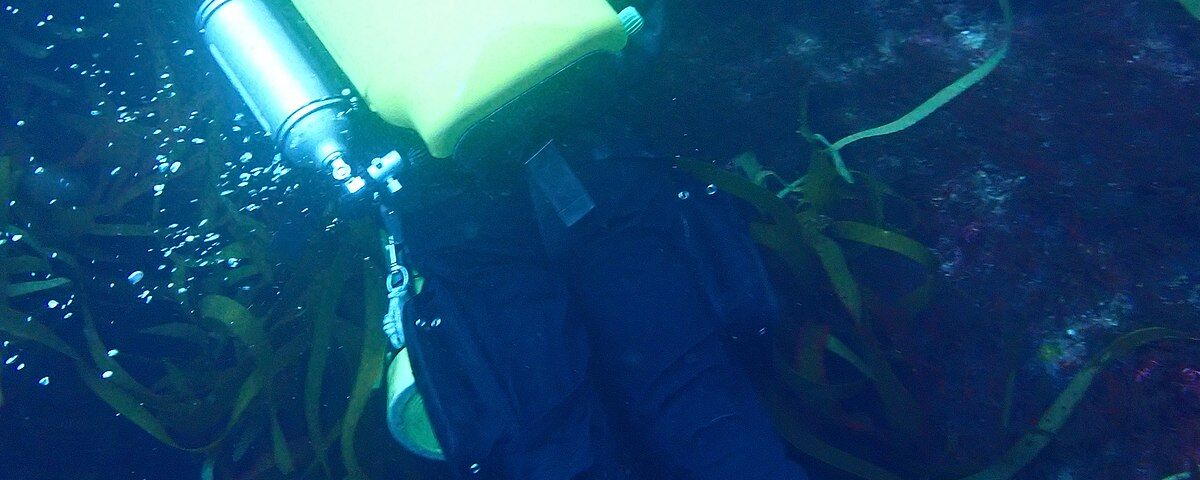
Meno Wall is arguably the best night dive in the Gili Islands, and it's a strong contender for the best night dive in Lombok province. Two walls drop ...
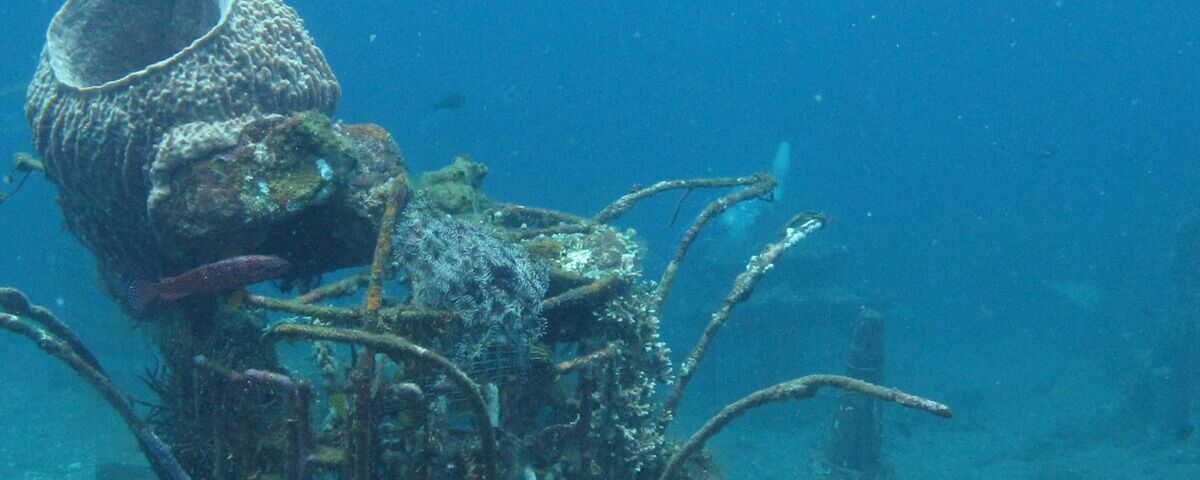
Found during an exploration dive and kept quiet for a while by the guides who discovered it, Secret Reef earned its name through genuine obscurity rat...
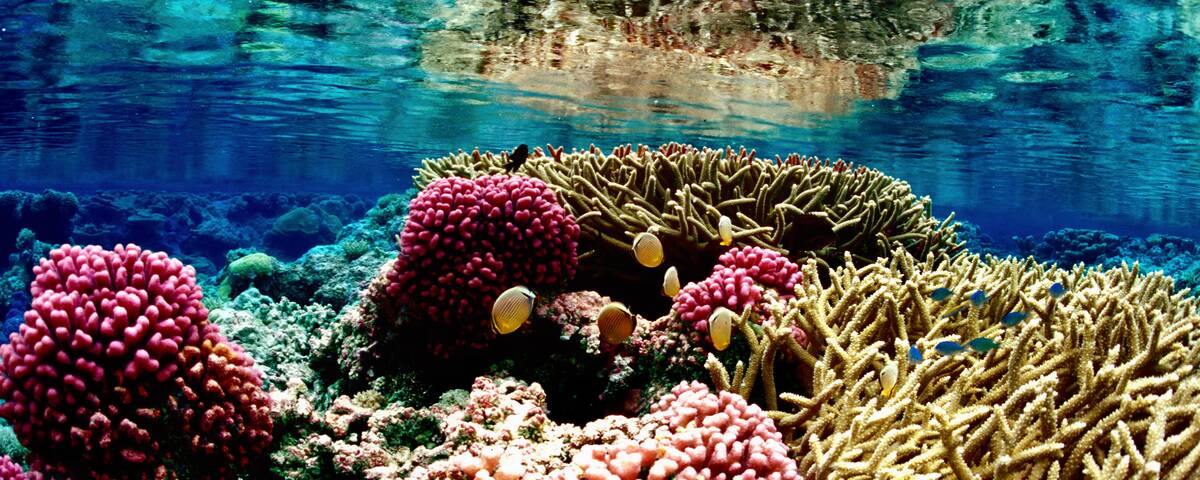
Black-tip and white-tip reef sharks patrol the sandy canyons at Shark Point, circling between coral ridges that run parallel to the northwest shore of...
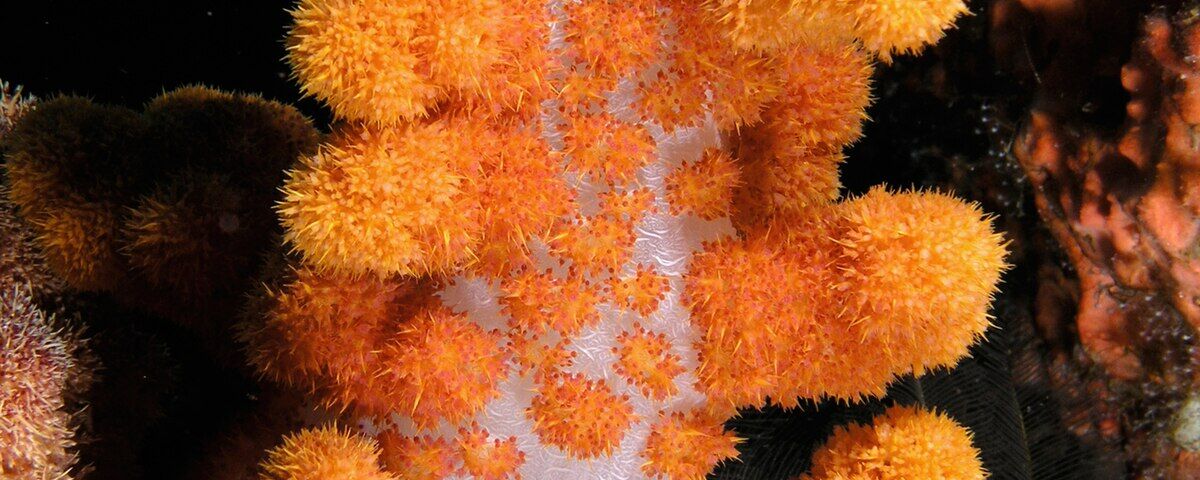
Sandy formations between the coral mounds at Simon's Reef look like miniature desert dunes, sculpted by current into rippled patterns that make the un...
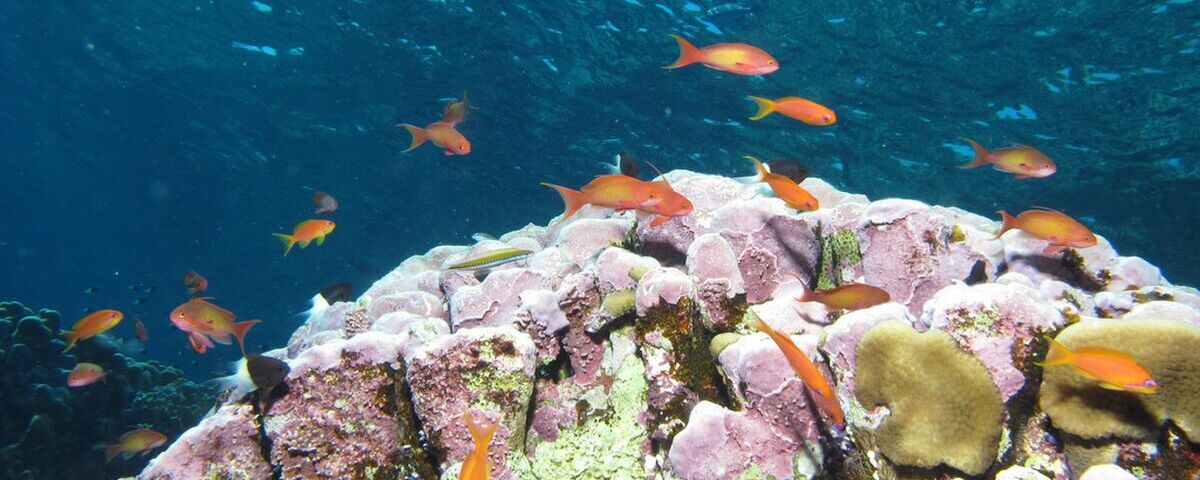
Cold water upwellings from the Lombok Strait occasionally sweep across Sunset Reef, and that nutrient-rich water is what makes this southwest-facing s...
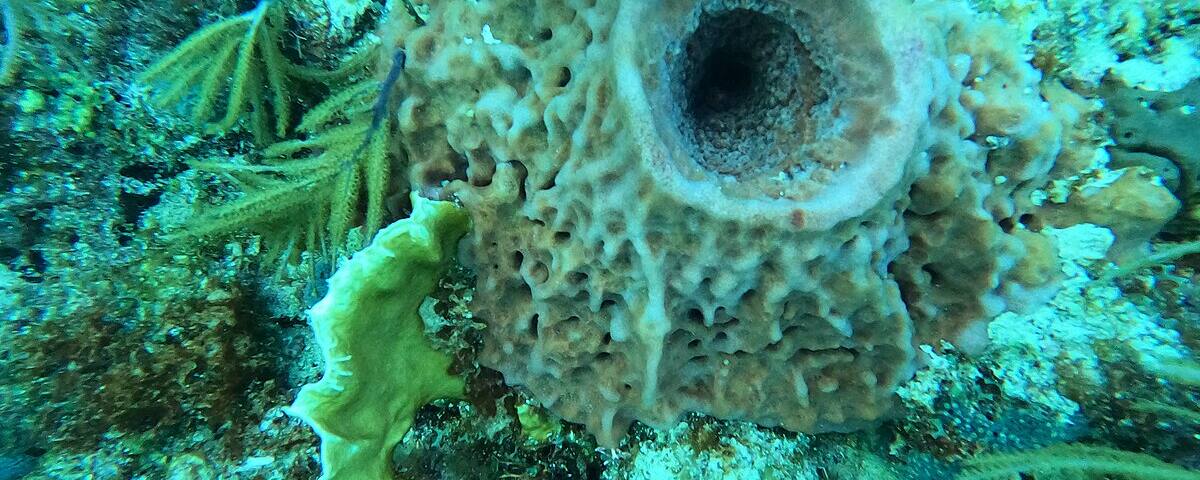
Takat means 'large coral head' in Indonesian, and the name is accurate. Takat Malang consists of a flat reef platform at 12 metres covered in massive ...
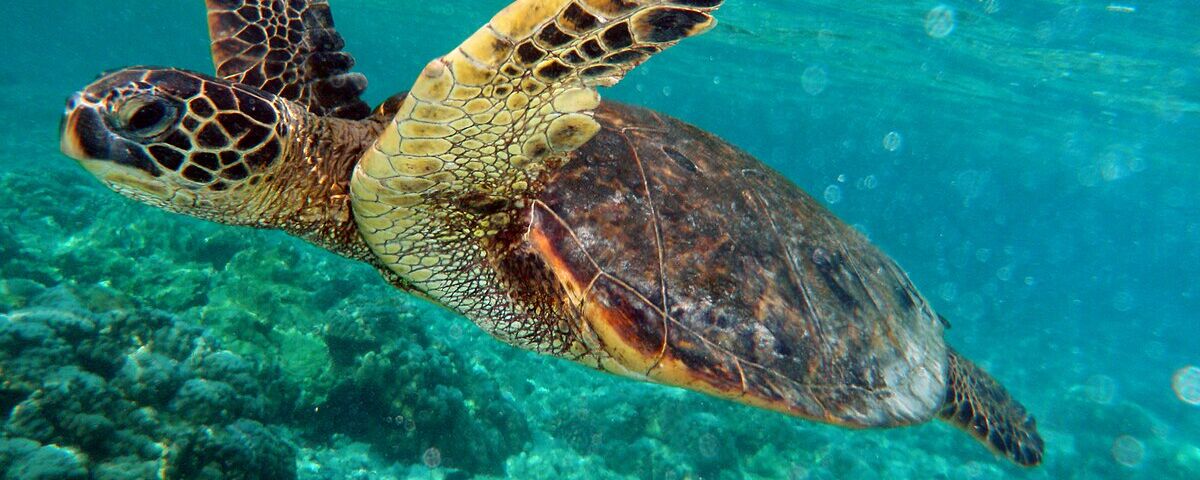
Fifteen turtles on a single dive. That's not a marketing number; that's a quiet Tuesday at Turtle Heaven. Located on the northeast side of Gili Meno, ...
Three small islands off the northwest coast of Lombok, not Bali (a common mix-up). The Gili Islands deliver relaxed, accessible diving with a resident turtle population that borders on absurd. On a good day at Turtle Heaven or Shark Point, you'll see more green and hawksbill turtles than you can count on one dive.
Diving in the Gili Islands suits newer divers particularly well. Shallow reef sites start at 5 metres, currents are generally mild, and water temperatures stay around 28°C. It's one of the busiest places in Indonesia for Open Water courses, with dozens of dive centres across all three islands. That said, deeper sites along the walls of Gili Trawangan and Gili Meno reach 30 metres and attract whitetip and blacktip reef sharks, offering enough variety to keep experienced divers interested for a few days.
The coral took a hit from bleaching events in 2016 and the 2018 Lombok earthquake, and recovery is ongoing. Some sites have bounced back impressively; others are still patchy. We mention this because honesty matters more than marketing. The Gilis are not Raja Ampat. But for a combination of easy diving, reliable marine life, and a laid-back island atmosphere, they're hard to beat at this price point.
Getting here means a fast boat from Bali (around 2 hours to Gili Trawangan) or a short hop from Lombok's Bangsal Harbour. Peak season runs from May to September, when visibility regularly hits 25 metres or more. The wet season (November to March) brings reduced visibility but fewer crowds.